Pricing for WordPress developers
WordPress pricing varies by scope, urgency, and the amount of custom engineering required. A simple page fix costs far less than a full WooCommerce rebuild or a custom block-based theme.
| Project type |
Typical scope |
Common pricing model |
| Small fixes |
Bug fixes, CSS edits, plugin conflicts, content updates |
Hourly |
| Landing pages |
Elementor or Gutenberg page builds, responsive adjustments |
Fixed price |
| Custom themes |
Theme development, template systems, ACF, custom post types |
Fixed price or milestone |
| WooCommerce work |
Checkout changes, product logic, cart optimization, payments |
Milestone |
| Ongoing support |
Updates, backups, security, small feature requests |
Monthly retainer |
| Migrations / rebuilds |
Platform migration, redesign implementation, QA |
Fixed price with milestones |
If you want to hire WordPress developers for a predictable outcome, fixed-price milestones usually work best for defined deliverables. Hourly is often better for troubleshooting, audits, and evolving maintenance work.
Formats and use-cases
WordPress developers on Selfwork can support a range of formats:
- Custom theme development for brands that need a unique look and reusable templates
- Gutenberg block builds for teams that want flexible editing without relying on heavy page builders
- Elementor work for fast marketing pages and content-managed landing pages
- WooCommerce builds for catalogs, subscriptions, bundles, checkout flows, and store performance
- Plugin customization when off-the-shelf tools almost fit but need deeper logic
- API integrations for CRMs, email platforms, payment gateways, and external systems
- Site migration from old WordPress installs, builders, or another CMS
- Maintenance and support for updates, backups, security, and troubleshooting
Common use cases include brand websites, lead-generation funnels, content sites, membership portals, online stores, course platforms, and multilingual business sites. If you need a freelance WordPress developer for a quick turnaround, the best briefs isolate the one or two highest-priority outcomes instead of describing the entire wish list at once.
Four hiring steps on Selfwork
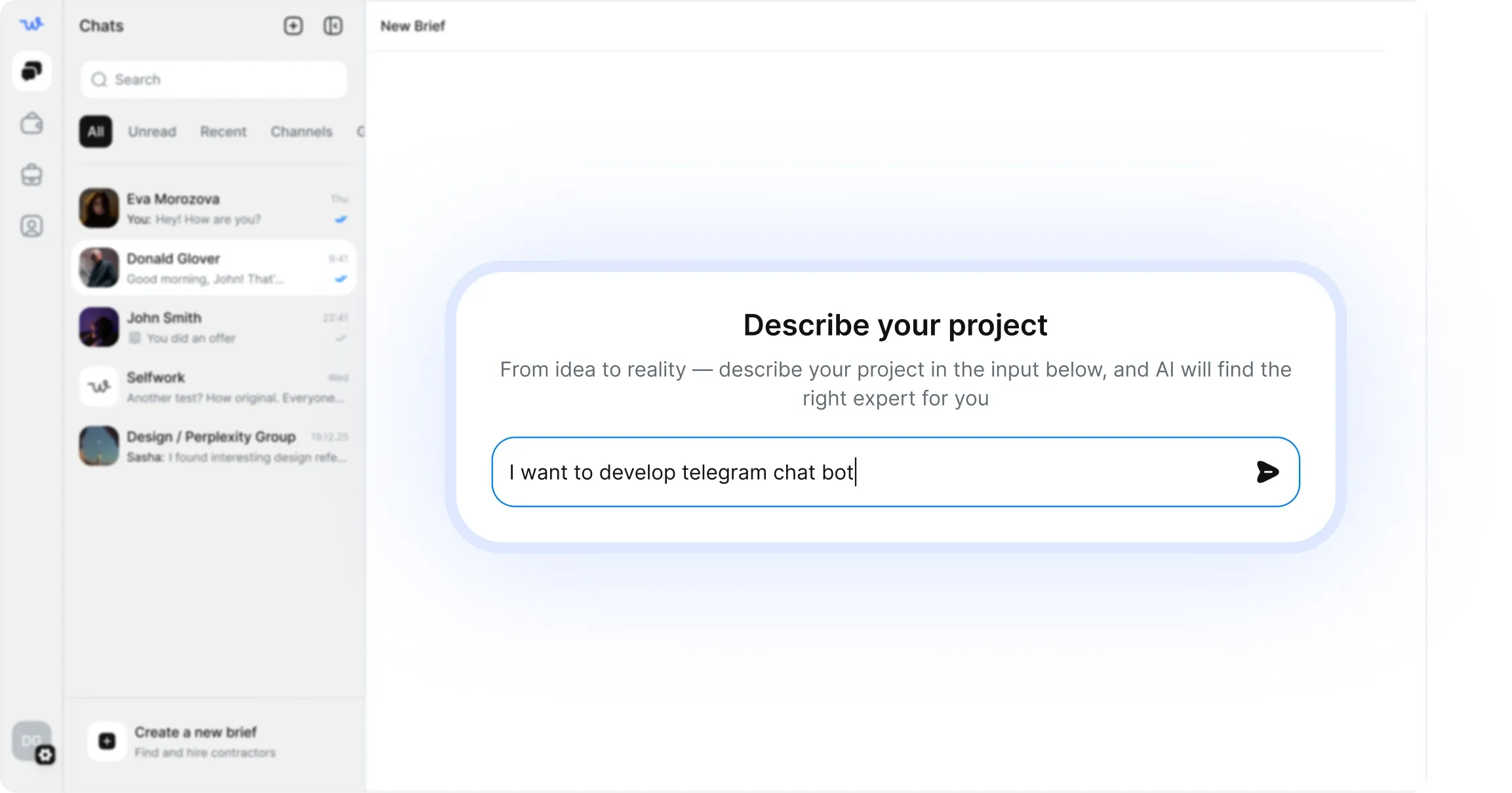
Describe the project clearly
Share the website type, the current setup, the tech stack, and the exact tasks you need completed. Include screenshots, URLs, wireframes, or a product spec if you have one.
Review matched developers
Compare portfolios, relevant WordPress experience, platform expertise, and previous work in WooCommerce, Elementor, Gutenberg, ACF, or custom PHP.
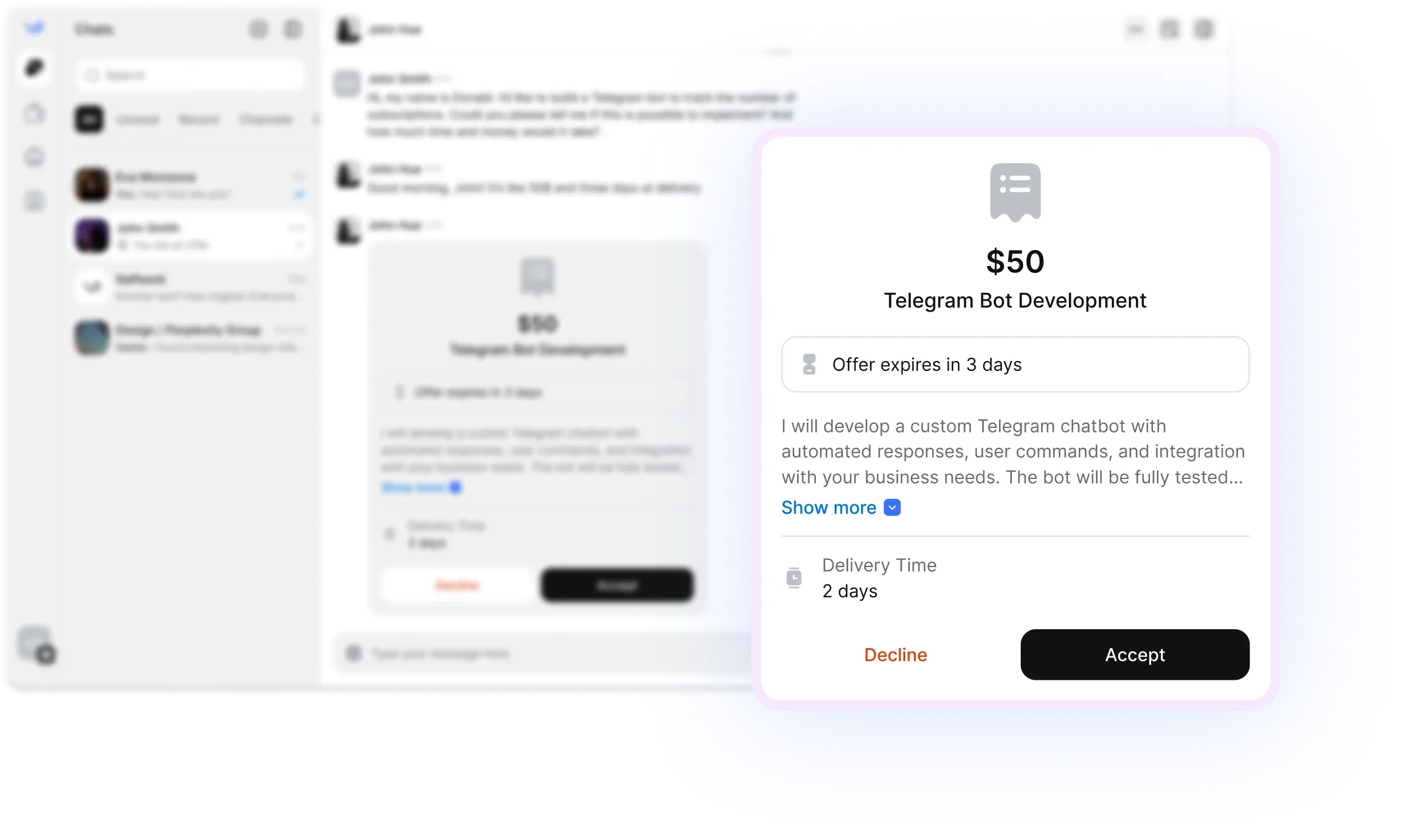
Agree on scope and milestones
Lock in deliverables, review points, deadlines, and any dependencies such as content, hosting access, or design files.
Start with protection in place
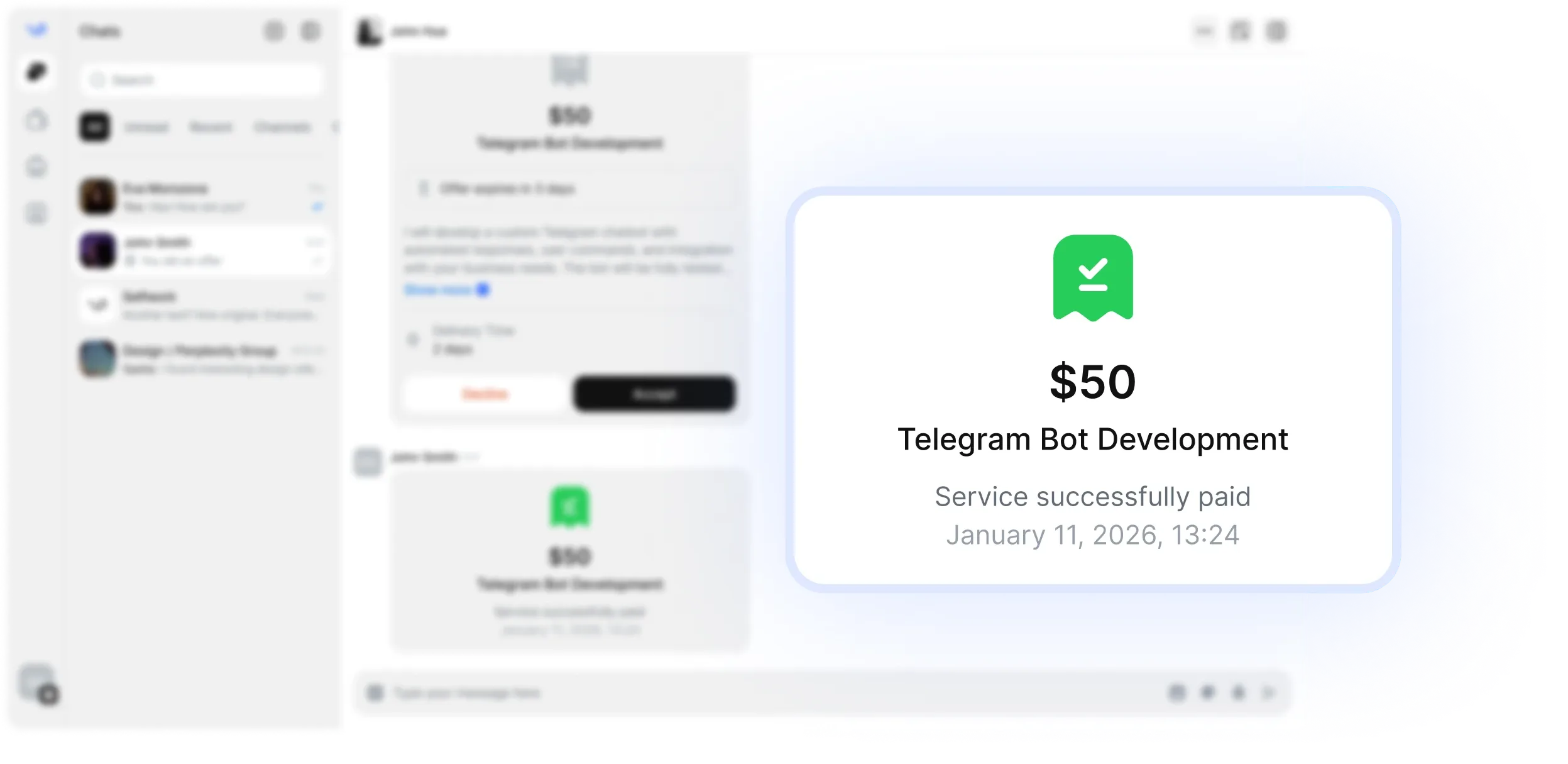
Fund the job, track progress, and release payment when the work meets the agreed brief.
This process is designed to help you hire WordPress developers with less risk and less admin. Instead of sorting through generic applicants, you can focus on the people who already match the build you need.
Common brief mistakes to avoid
- Being too broad: “Need a WordPress site” is not enough. Say whether you need a rebuild, repair, or new feature.
- Skipping the current stack: A developer needs to know whether the site uses Elementor, Gutenberg, Divi, custom PHP, or a heavily modified theme.
- Leaving out acceptance criteria: Define what “done” means, especially for checkout flows, responsiveness, and speed targets.
- Ignoring content readiness: If the site depends on copy, images, product data, or translations, say what is ready now and what will arrive later.
- Forgetting access and environments: Mention staging, hosting, backups, repo access, and any deployment rules.
- Not naming integrations: CRM sync, email automation, payment gateways, and analytics can significantly affect scope.
A stronger brief helps freelance WordPress developers estimate correctly and prevents expensive change requests later.
Verification and escrow
Selfwork is built to reduce the common risks of remote hiring. Developers are verified before they can take on work, and escrow helps protect both sides by keeping payment tied to agreed delivery.
That means you can hire WordPress developers for sensitive work like store changes, migrations, or theme edits with more confidence. You are not just looking at a profile; you are matching with someone whose skills, work history, and availability can be evaluated before the project starts.
Escrow is especially useful for:
- custom theme implementations
- WooCommerce checkout changes
- plugin and API work
- migration and redesign projects
- high-priority bug fixing
FAQ
How do I hire WordPress developers for a custom theme?
Start with wireframes, examples of sites you like, template requirements, and any design system or component rules. The more structure you provide, the easier it is to quote accurately.
Can I hire a freelance WordPress developer for WooCommerce work?
Yes. Many WordPress developers specialize in WooCommerce setup, cart flow improvements, payment integration, and store performance.
What should I include in my brief for a remote WordPress developer?
Include the current site URL, access constraints, required plugins, page count, design files, timeline, and whether you need build, fix, or maintenance support.
Do WordPress developers handle SEO and speed improvements?
Many do. Ask for Core Web Vitals improvements, image optimization, caching setup, schema support, and cleaner site structure if performance matters.
Is WordPress maintenance a good retainer task?
Yes. Updates, backups, security checks, minor fixes, and new landing page requests are common monthly support needs for a freelance WordPress developer.