Pricing for UX copywriting work
UX copywriting pricing depends on scope, research depth, and how much collaboration is needed with product, design, and engineering. A small microcopy refresh costs far less than a full app content overhaul.
| Engagement type |
Typical scope |
Typical pricing model |
| Microcopy audit |
Review labels, CTAs, error states, and helper text |
Fixed project fee |
| Onboarding flow copy |
Signup, activation, and first-use guidance |
Fixed fee or sprint rate |
| Product messaging system |
Tone, vocabulary, patterns, and reusable UI copy rules |
Project fee or milestone-based |
| Ongoing UX writing support |
Continuous updates across releases and experiments |
Monthly retainer |
| Conversion-focused landing + product copy |
Messaging alignment between marketing and product |
Per project |
For a simple set of screens, many teams prefer a fixed-price engagement. For larger product initiatives, hourly or sprint-based pricing can make sense when requirements may change as design evolves.
Formats and use cases
You can hire UX copywriters for a wide range of product and experience needs:
- SaaS onboarding: welcome screens, activation prompts, setup checklists, and feature explanations
- Mobile app UX writing: concise labels, permissions copy, notifications, and empty states
- Checkout and e-commerce flows: cart messaging, delivery updates, validation copy, and trust prompts
- Dashboard and admin tools: navigation labels, help text, state changes, and form guidance
- Accessibility-first content: plain-language copy, error prevention, and more readable interface language
- Design system support: reusable patterns for buttons, alerts, modals, and confirmation states
- Product experiments: A/B-tested CTA language, onboarding variants, and conversion-focused microcopy
- Customer support content inside product: contextual help, FAQs, and guided troubleshooting
A good remote UX copywriter can work with designers in Figma, keep copy organized in Google Docs, track tasks in Jira, and document decisions in Notion or Miro. That flexibility matters when product releases move quickly.
How to hire UX copywriters on Selfwork
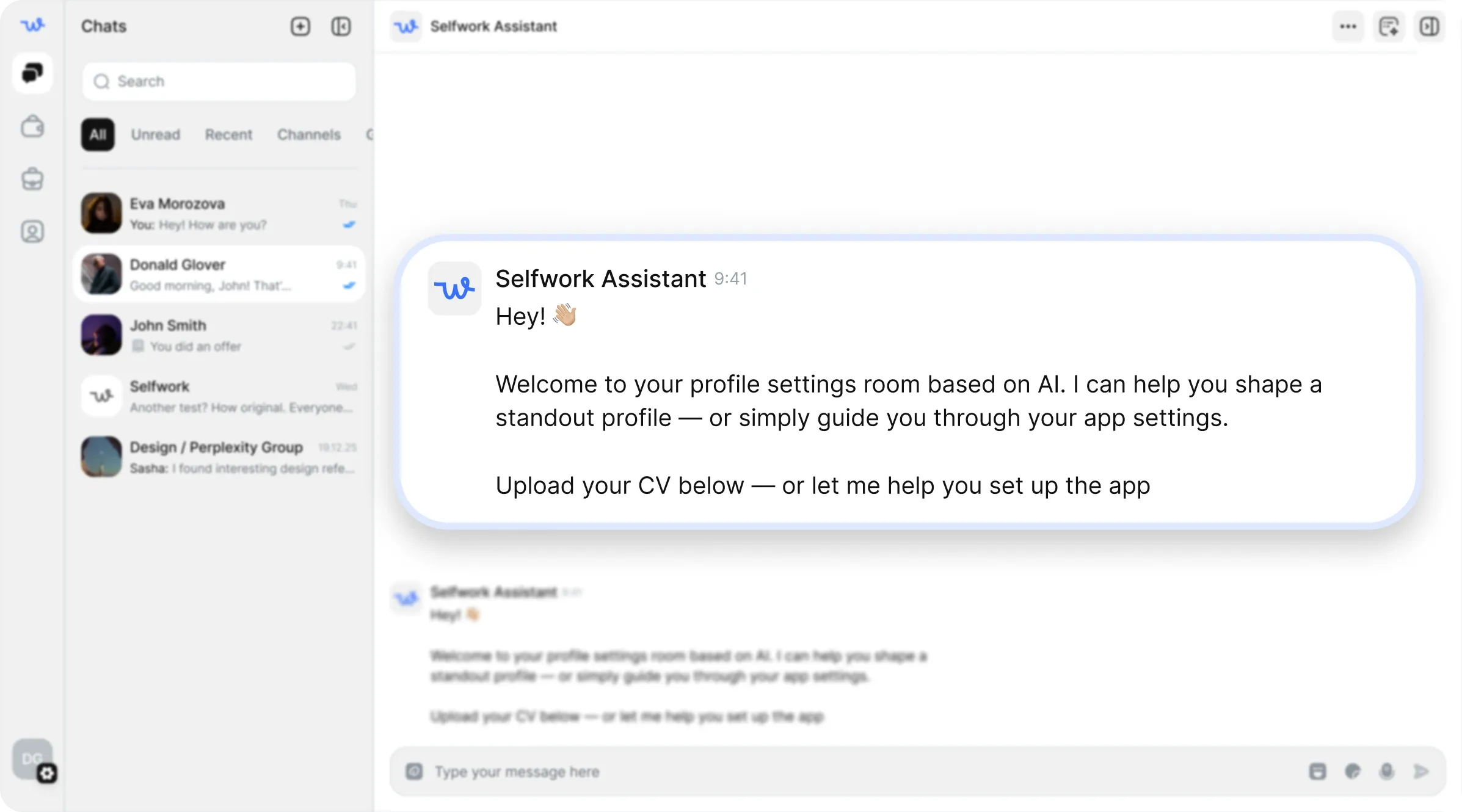
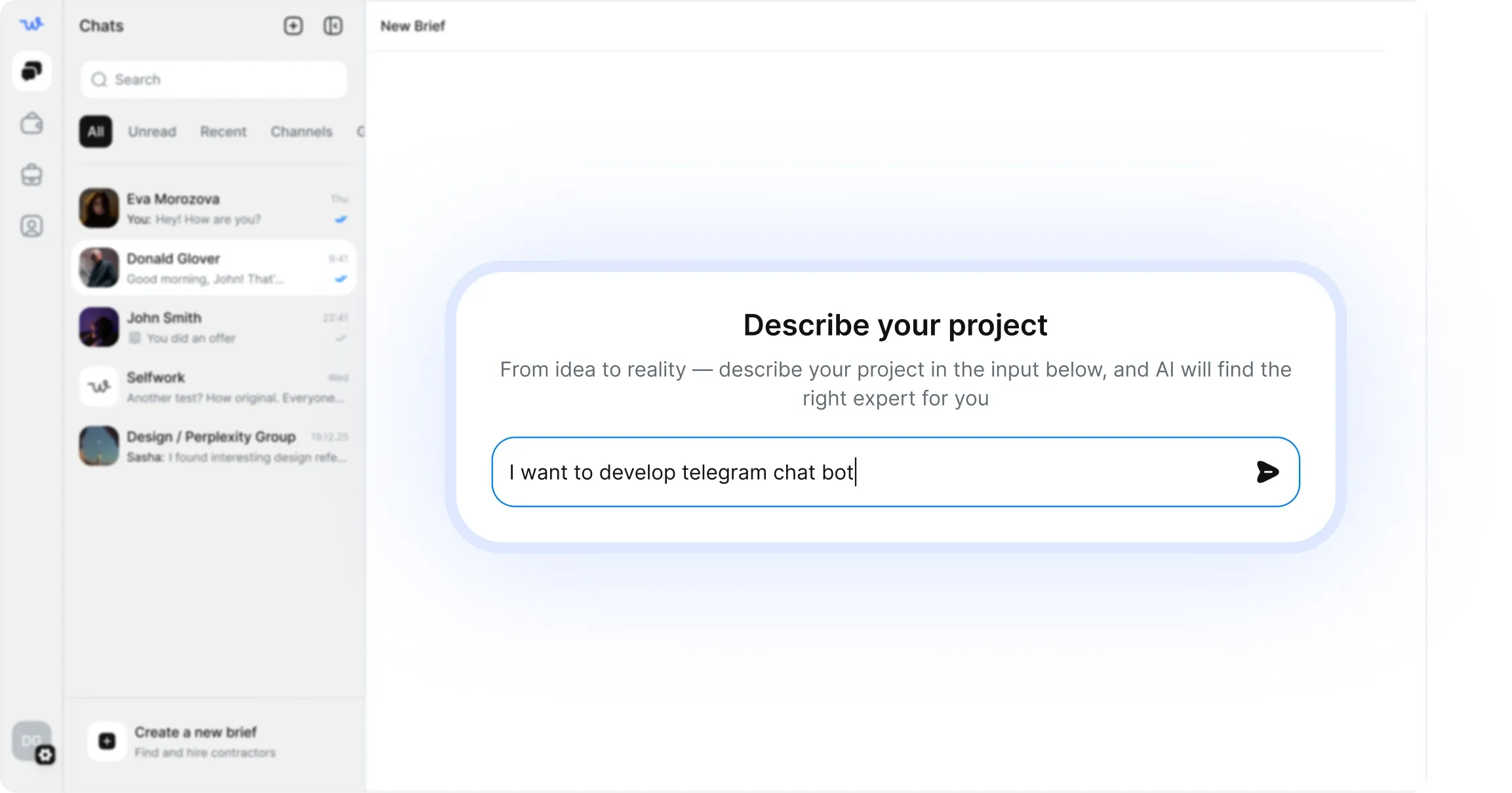
Publish a clear brief
Describe the product, audience, screens, and business goal. Tell candidates whether you need onboarding copy, UI microcopy, a content audit, or a full messaging system.
Review relevant UX writing samples
Look for portfolios that show real interface work: signup flows, alerts, settings, tooltips, empty states, and before/after improvements. Strong samples usually explain the problem, not just the final words.
Match on process and collaboration
A strong UX copywriter should be comfortable working with design and product teams, handling iteration, and responding to constraints from engineering or legal.
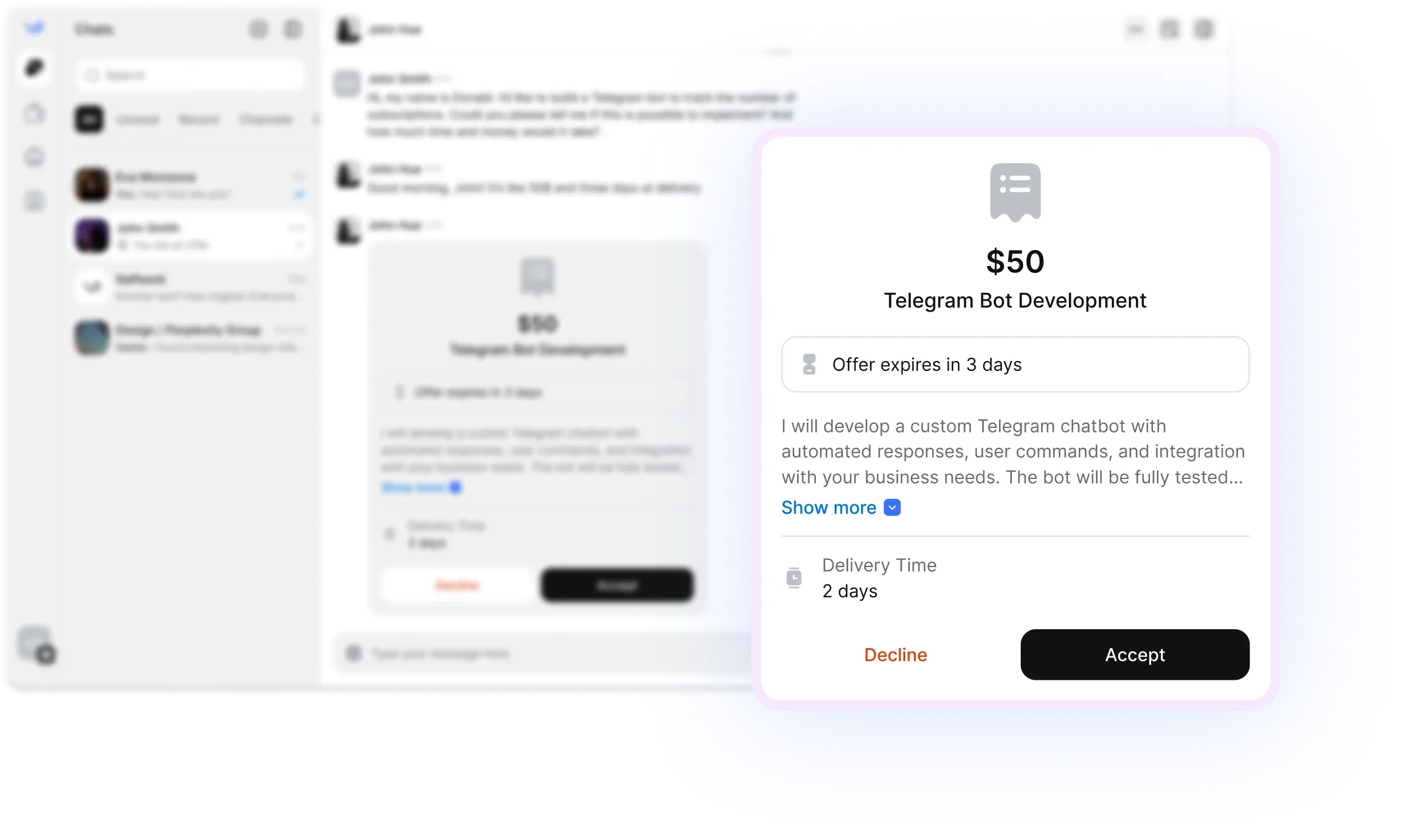
Start with escrow and milestones
Use milestones for discovery, draft delivery, and revision rounds. That keeps expectations clear and protects both sides while the work is in progress.
Common brief mistakes to avoid
A weak brief slows down even the best writer. Avoid these mistakes when you hire UX copywriters:
- Vague goals: saying “make it better” instead of defining activation, conversion, or task completion outcomes
- No screen context: sending isolated text without screenshots, user flows, or edge cases
- Missing voice guidance: not sharing brand tone, terminology, or forbidden phrases
- Ignoring constraints: leaving out character limits, localization needs, legal requirements, or accessibility rules
- Treating UX writing like marketing copy: the goal is clarity and user success, not just persuasion
- Skipping collaboration details: not explaining who approves copy, who owns final decisions, and how feedback will be handled
The best results come when you provide product context, design context, and business context together.
Verification and escrow
Selfwork is built to make freelance hiring safer for product teams. Verified profiles help you evaluate experience faster, and escrow keeps payments protected until agreed milestones are delivered. That matters when you hire UX copywriters for product-critical work, because copy changes can affect conversion, usability, and support volume.
Before you start, define:
- deliverables per milestone
- revision limits
- who provides feedback
- source files and handoff format
- timeline for each screen or flow
Clear scope plus escrow gives you a smoother workflow and fewer surprises.
FAQ
What does a UX copywriter do?
A UX copywriter writes the words users see inside a product: onboarding steps, labels, error messages, tooltips, helper text, confirmations, and other interface content that shapes usability.
Can I hire a freelance UX copywriter for just one flow?
Yes. Many teams start with a single flow such as signup, checkout, or password reset before expanding into broader product messaging work.
Do UX copywriters work in Figma?
Many do. They often collaborate directly in Figma, while also using Google Docs, Notion, Miro, and Jira to organize drafts, feedback, and handoff notes.
How is UX copywriting different from marketing copywriting?
UX copywriting focuses on clarity, guidance, and task completion inside the product. Marketing copywriting is more focused on persuasion and demand generation.
What should I include in a UX writing brief?
Include product goals, target users, screenshots or flows, tone of voice, edge cases, character limits, and any accessibility or legal constraints.