Pricing for technical writing
Technical writing prices vary by complexity, subject matter, and how much source material already exists. A simple help article or rewrite costs less than an API documentation project that requires interviews, testing, and stakeholder review. Most buyers should budget around the scope of the outcome rather than just word count.
| Format |
Typical scope |
Common pricing model |
| Help center article |
One task, one article, light research |
Per article or hourly |
| User guide / setup guide |
Multi-step workflow, screenshots, QA |
Per document or project |
| SOP / internal playbook |
Process mapping, clear step-by-step structure |
Per document or package |
| API docs / developer docs |
Endpoint references, examples, error handling |
Project-based or milestone-based |
| Knowledge base migration |
Audit, rewrite, categorize, publish |
Project-based |
| Ongoing documentation support |
Updates, edits, SME interviews, release notes |
Retainer or hourly |
If you want to hire technical writers efficiently, define the output first: number of pages, document types, audience, and where content will be published. That makes it easier to compare proposals from any freelance technical writer and avoid under-scoped work.
Formats and use cases
Technical writers on Selfwork can support many different documentation needs:
- Product documentation for SaaS apps and software tools
- API documentation for developers and partner integrations
- User onboarding guides and setup checklists
- Knowledge base articles for support and self-service
- SOPs and internal workflow documentation
- Training manuals and enablement content
- Release notes and changelogs
- Troubleshooting guides and FAQ articles
- Compliance-friendly documentation for regulated teams
- Content migration into Confluence, Notion, GitHub, or Markdown
A remote technical writer is especially useful when your team needs flexible support across product, support, and operations. Instead of hiring full-time too early, you can bring in someone who already understands how to structure content for readability, search, and maintenance.
Four hiring steps on Selfwork
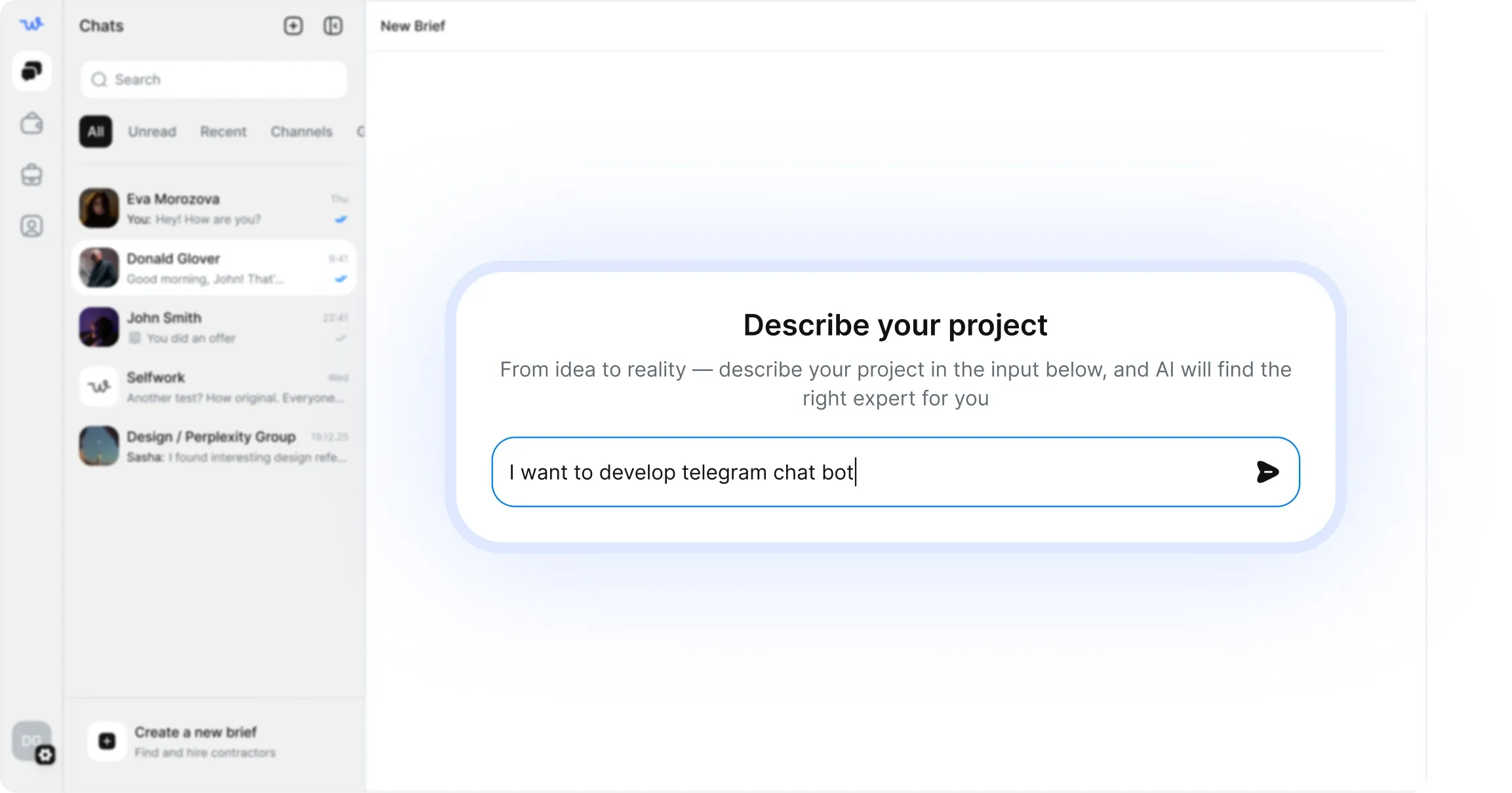
- Post your brief. Share the product, audience, document types, deadlines, and source materials.
- Review matched specialists. Compare portfolios, past industries, writing samples, and tools.
- Shortlist and confirm scope. Clarify deliverables, ownership, review rounds, and final format.
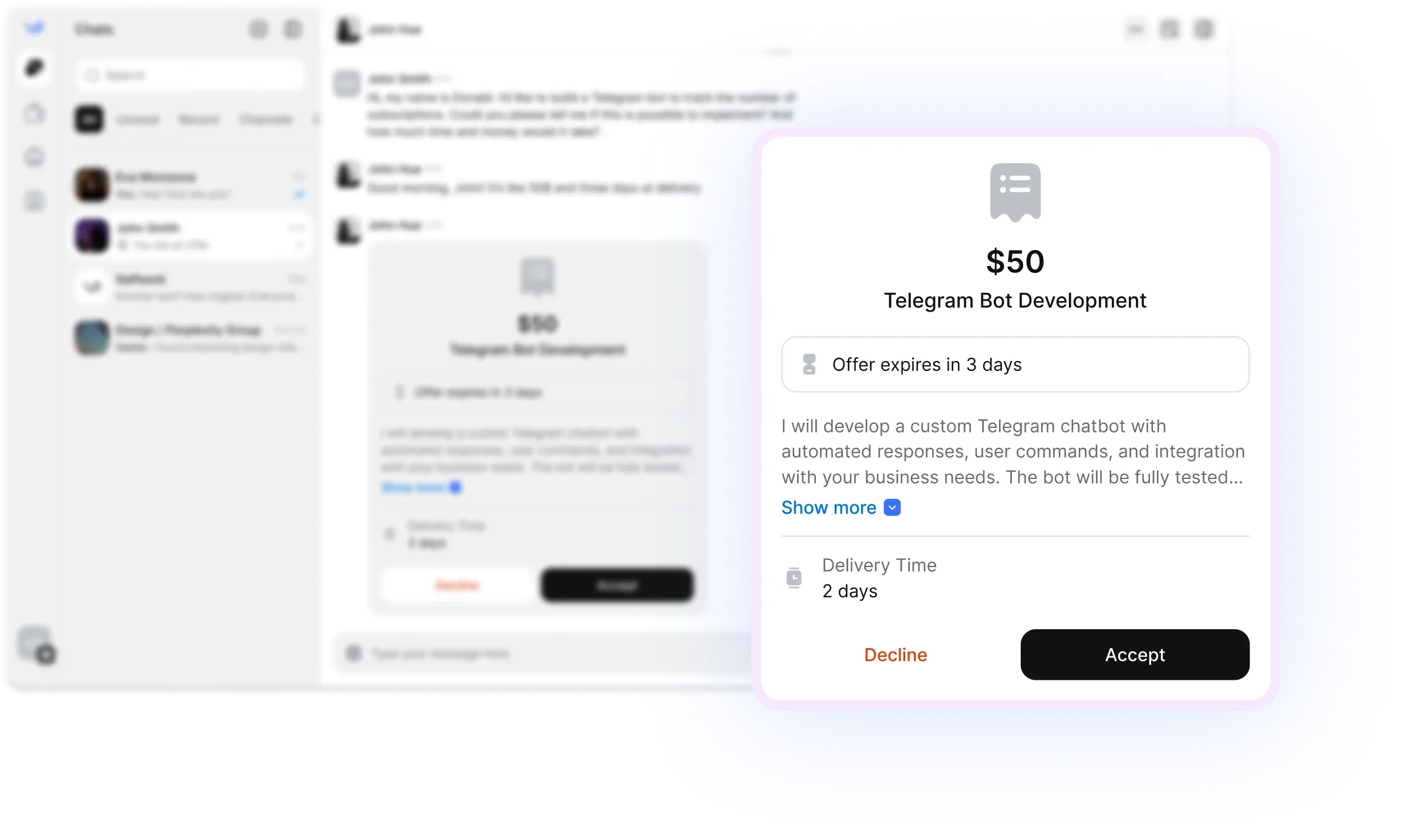
- Start with protection. Fund the project and move forward with escrow-backed delivery.
That workflow helps you hire technical writers faster while keeping expectations clear for both sides.
Common brief mistakes to avoid
- Vague audience definition. A docs page for end users is not the same as one for developers or internal teams.
- No source material. Even the best freelance technical writer needs product notes, screenshots, SME access, or testing access.
- Unclear success criteria. Say whether the goal is fewer support tickets, faster onboarding, better SEO, or smoother product adoption.
- Mixed document types. API reference, troubleshooting, and training content are different jobs.
- No owner for review. Documentation slows down when nobody is responsible for approval.
- Missing platform details. Specify whether the final docs should live in Notion, Confluence, GitHub, Google Docs, or Markdown.
The stronger the brief, the easier it is for a remote technical writer to produce accurate content on the first pass.
Verification and escrow
Selfwork is designed to make technical writing hiring safer and easier to manage. Verified specialists give you more confidence before you start, while escrow helps protect both sides once the project is underway.
Use verification to review relevant experience, documentation samples, and platform familiarity. For technical writing, that might include samples of API docs, SOPs, product manuals, knowledge bases, or developer guides. Escrow adds a clear payment structure so milestones can be tied to drafts, revisions, or final delivery.
This is especially useful when you hire technical writers for complex projects involving multiple stakeholders, confidential product information, or time-sensitive launches. With a defined brief, milestone-based payments, and clear review checkpoints, you can keep documentation moving without sacrificing quality.
FAQ
How do I hire technical writers for API documentation?
Look for writers with developer documentation samples, familiarity with your stack, and experience working from endpoint references, tests, or engineering notes. Include auth flow, error handling, code examples, and target readers in the brief.
Can a freelance technical writer work from rough notes or recordings?
Yes. Many writers can turn SME interviews, Loom recordings, product demos, and internal notes into polished docs. Just make sure the source material is complete enough to support accurate writing.
What tools should I mention when I hire technical writers?
List your publishing tools and content systems, such as Notion, Confluence, GitHub, Google Docs, Markdown, and Jira. That helps match you with a writer who can work in your workflow.
How much revision is normal for technical writing?
Two revision rounds are common, especially when the writer needs input from product, engineering, or support. Complex projects may need staged feedback at outline, draft, and final review.
Can a remote technical writer help with ongoing documentation updates?
Absolutely. Many teams hire remote technical writers for continuous doc maintenance, release notes, help center updates, and knowledge base improvements as the product changes.