When you hire software engineers, you are usually balancing three things at once: speed, quality, and fit. The right freelancer should understand your product context, write maintainable code, communicate clearly, and work in a way that matches your release process. On Selfwork, the goal is to make that decision easier by surfacing verified specialists with relevant experience, realistic pricing, and a brief-led matching flow.
Pricing
Software engineering pricing varies by scope, seniority, stack, and urgency. A small bug fix costs very differently from a multi-week product build or infrastructure refactor. Use the table below as a rough planning guide.
| Engagement type |
Typical use case |
Common pricing shape |
| Small fix or audit |
Bug fix, code review, dependency update, minor UI change |
Hourly or fixed-price micro project |
| Feature build |
New page, workflow, API endpoint, integration |
Fixed-price milestone or weekly rate |
| MVP build |
Early product, prototype, first production release |
Milestone-based project |
| Ongoing support |
Sprint work, enhancements, maintenance, incident support |
Monthly retainer or weekly hours |
| Senior architecture help |
System design, scaling, refactor, cloud strategy |
Higher hourly rate or advisory package |
If your scope is uncertain, start with a discovery task or technical assessment. That often helps you hire software engineers more confidently because the first deliverable is clarity: architecture notes, estimates, or a codebase review.
Formats and use cases
There are several ways to work with freelance software engineers, depending on what your team needs.
- MVP and prototype builds: launch a first version of a product with frontend, backend, auth, payments, and database setup.
- Feature development: add new modules to an existing app, such as dashboards, notifications, billing, search, or role-based access.
- API and integration work: connect CRMs, payment processors, analytics tools, messaging systems, and internal services.
- Bug fixing and code rescue: stabilize broken features, improve test coverage, remove technical debt, and recover neglected projects.
- Cloud and DevOps support: handle AWS, Docker, Kubernetes, CI/CD, deployment automation, and observability.
- Data and backend engineering: optimize PostgreSQL queries, design schemas, build pipelines, and improve service performance.
- Frontend implementation: translate design into responsive interfaces using React, Next.js, and modern component workflows.
The best freelance software engineers are not just coders. They ask the right questions about edge cases, deployment, maintainability, and user impact. If you need a remote software engineer, prioritize communication quality and evidence of shipping in distributed teams.
Four hiring steps on Selfwork
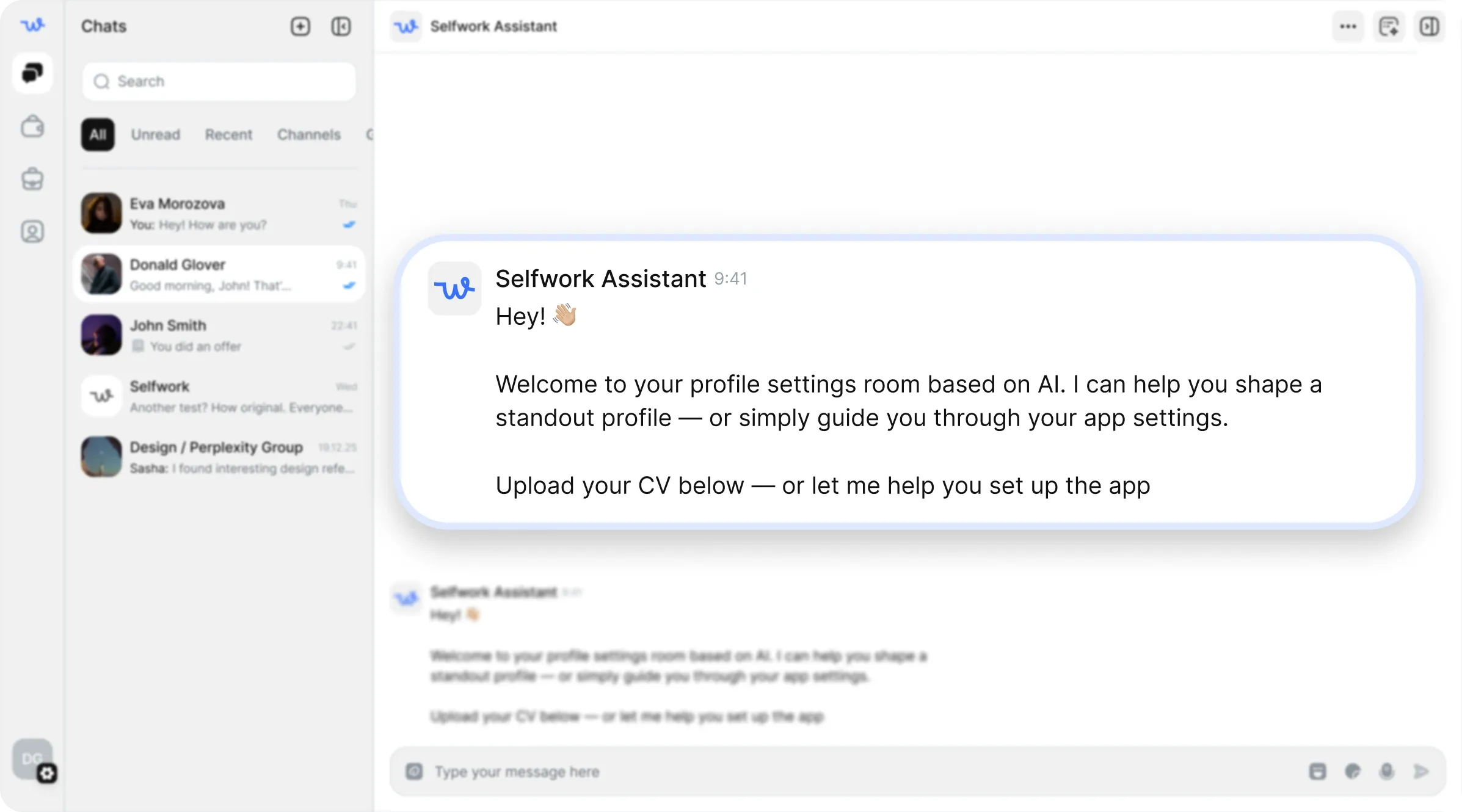
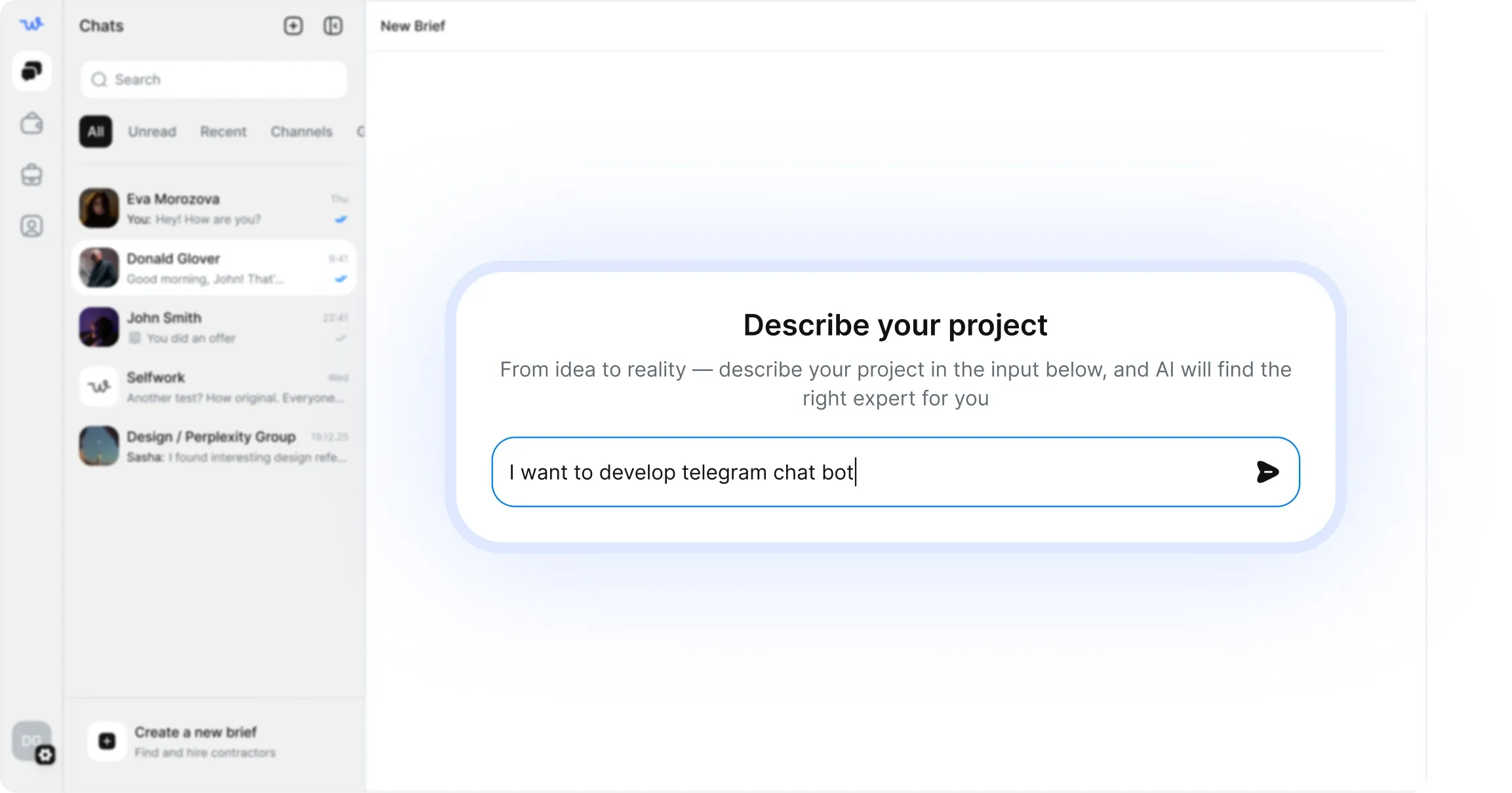
- Post a clear technical brief — explain the product, stack, timeline, and what success looks like.
- Review matching software engineers — compare portfolios, live availability, rates, and relevant project history.
- Shortlist and validate fit — ask technical questions, check similar work, and confirm that the engineer understands your constraints.
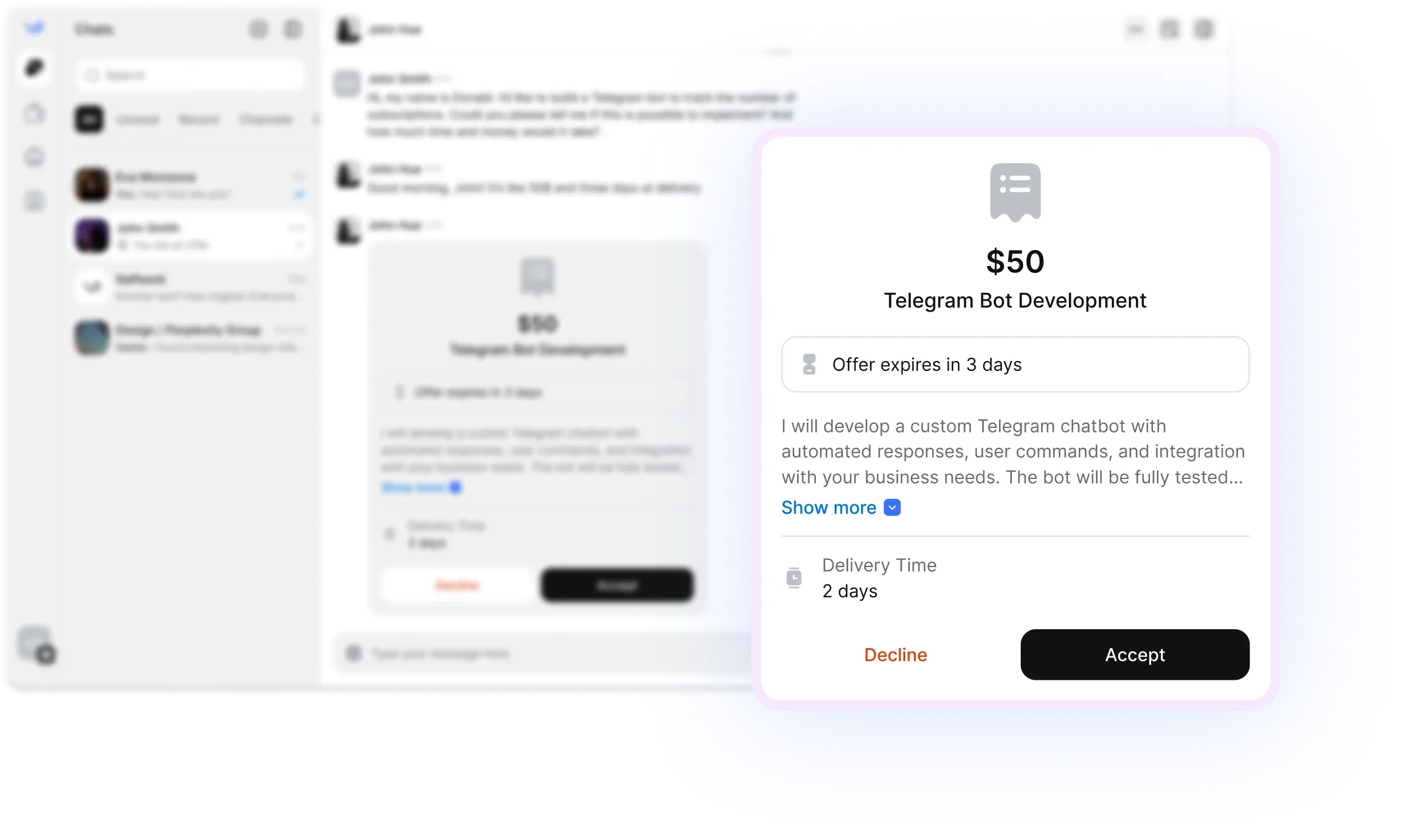
- Start with escrow and milestones — fund the project safely and release payments as deliverables are completed.
This structure works especially well when you need to hire software engineers for complex work, because it reduces the chance of vague estimates and mismatched expectations.
Common brief mistakes
Many hiring problems start with the brief. Avoid these common issues:
- Too much scope, not enough priority: list the must-haves first and separate nice-to-haves.
- No stack context: say whether the project is React, Next.js, Node.js, Python, Django, AWS, or another setup.
- Unclear ownership: specify whether the engineer is expected to build, debug, refactor, deploy, or maintain.
- Missing constraints: mention deadline, compliance needs, browser support, performance goals, or existing code quality.
- No acceptance criteria: define what finished means, including testing, documentation, and deployment expectations.
- Ignoring integrations: note external systems, APIs, auth providers, and data migrations up front.
A good brief lets a freelance software engineer quote accurately and start faster. It also helps remote software engineers communicate tradeoffs before work begins.
Verification and escrow
Selfwork is designed to help you hire software engineers more safely. Verification helps reduce risk by highlighting specialists with real experience, consistent profiles, and visible work history. Escrow adds an extra layer of trust by keeping payment protected until milestones are delivered.
That combination matters for software projects because code work is iterative. Requirements can change, bugs can appear, and deployment may uncover issues late in the process. With verified specialists and milestone-based escrow, both sides have clearer expectations and less financial risk.
You can also use proof of work to compare candidates more effectively. Look for relevant repositories, shipped products, code samples, architecture explanations, and examples of similar stacks. A strong software engineer should be able to explain decisions, not just show screenshots.
FAQ
How do I hire software engineers for an MVP?
Start with the smallest production-ready scope: login, core workflow, database, admin tools, and deployment. Then choose an engineer who has shipped similar web apps or SaaS products.
Can I hire a remote software engineer for ongoing work?
Yes. Many teams use remote software engineers for sprint-based development, maintenance, feature delivery, and support across time zones.
What should I include in a software engineering brief?
Include the goal, current stack, expected deliverables, deadline, integrations, deployment environment, and any non-negotiable constraints.
Do I need to know the exact stack before I hire?
Not always. If you are unsure, describe the product and ask for architectural recommendations. A good engineer can suggest the right approach.
Can software engineers help with existing codebases?
Yes. Many freelance software engineers specialize in bug fixing, refactors, code reviews, performance tuning, and rescuing partially completed projects.