Pricing for software architect work
Software architecture pricing depends on the scope, depth of discovery, and whether you need advisory support, a full architecture plan, or ongoing implementation guidance. Many clients start with a fixed-price discovery phase, then move to milestone-based delivery or hourly advisory.
| Engagement type |
Typical use case |
Typical price range |
| Architecture audit |
Review an existing system, identify bottlenecks, risks, and modernization priorities |
$300–$1,500 |
| Discovery and solution design |
Define target architecture, tech stack, service boundaries, data flow, and implementation plan |
$1,000–$5,000 |
| Cloud migration planning |
Plan migration from on-prem or legacy hosting to AWS, Azure, or GCP |
$2,000–$8,000 |
| Ongoing advisory |
Weekly reviews, design decisions, team support, and change control |
$60–$180/hour |
| Full architecture leadership |
Complex SaaS, marketplace, platform, or enterprise initiatives |
$5,000–$20,000+ |
Rates vary based on seniority, industry, and complexity. A software architect who has shipped at scale, led migrations, or worked in regulated environments may charge more, especially for projects involving compliance, security, resilience, or high availability.
Formats and use cases
Hire software architects in the format that fits the stage of your project:
- Discovery workshop: Ideal when you have an idea but need a clear technical path, tradeoff analysis, and a recommended stack.
- Architecture review: Best for existing systems that are slow, hard to scale, expensive to run, or difficult to maintain.
- Solution design document: Useful when your dev team needs a concrete plan covering services, APIs, databases, auth, observability, and deployment.
- Cloud migration roadmap: A good fit for moving workloads to AWS, Azure, or GCP without downtime or costly surprises.
- Fractional architecture lead: For teams that need ongoing decisions, codebase guidance, and communication between product, engineering, and operations.
- Security and reliability review: Helpful for applications that need better access control, backup strategy, disaster recovery, or compliance alignment.
Typical briefs include SaaS platforms, internal business systems, fintech products, marketplaces, APIs, data-heavy applications, and legacy modernization efforts. If you need microservices, event-driven architecture, multi-region deployment, or a monolith refactor, a freelance software architect can help you select a solution that is maintainable rather than overengineered.
Four hiring steps on Selfwork
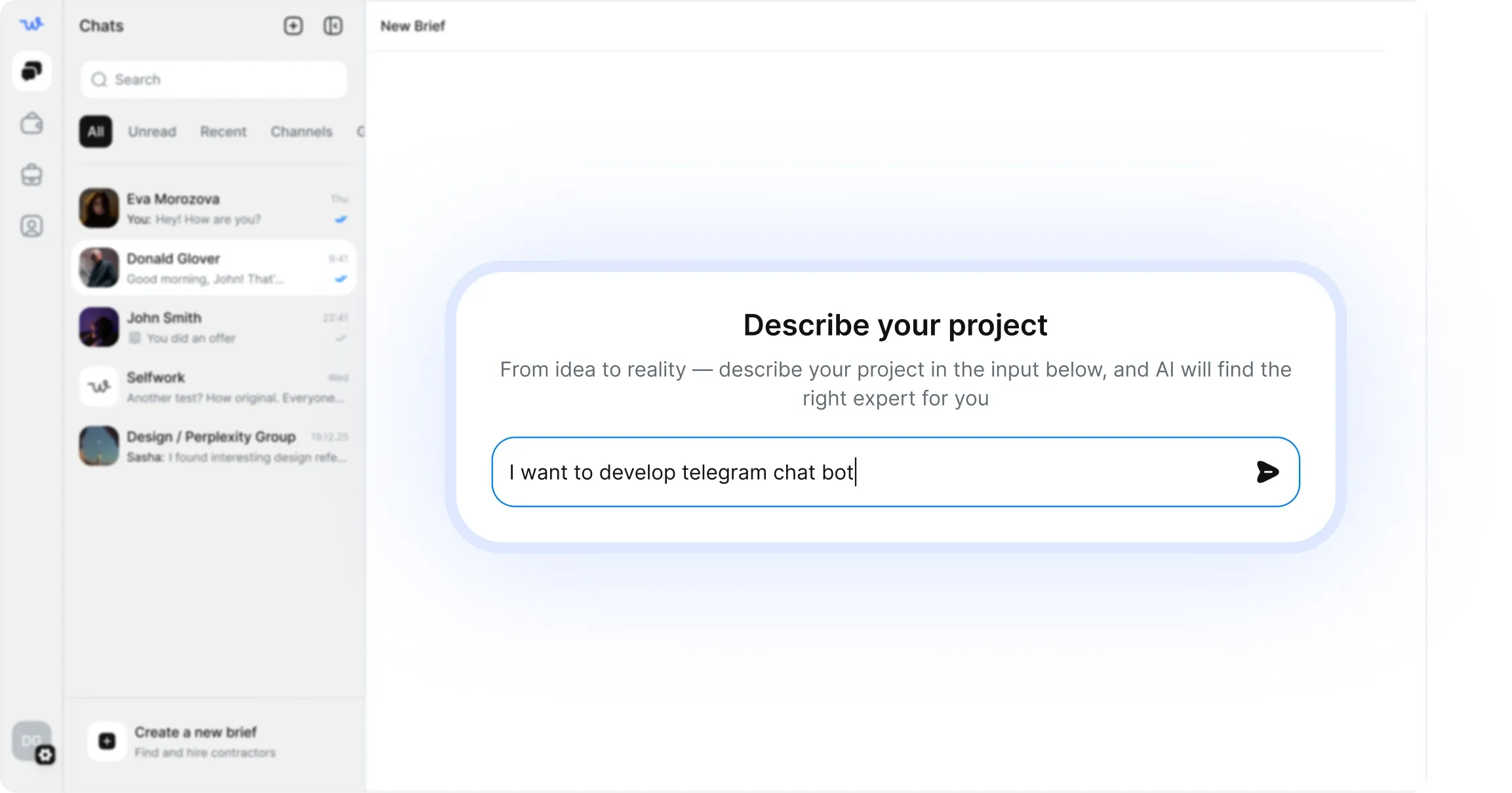
- Post your brief: Describe the product, current stack, goals, constraints, and what “done” should look like.
- Review matching architects: Compare verified profiles, experience, past projects, and availability.
- Discuss scope and deliverables: Align on architecture diagrams, documentation, workshops, reviews, or implementation oversight.
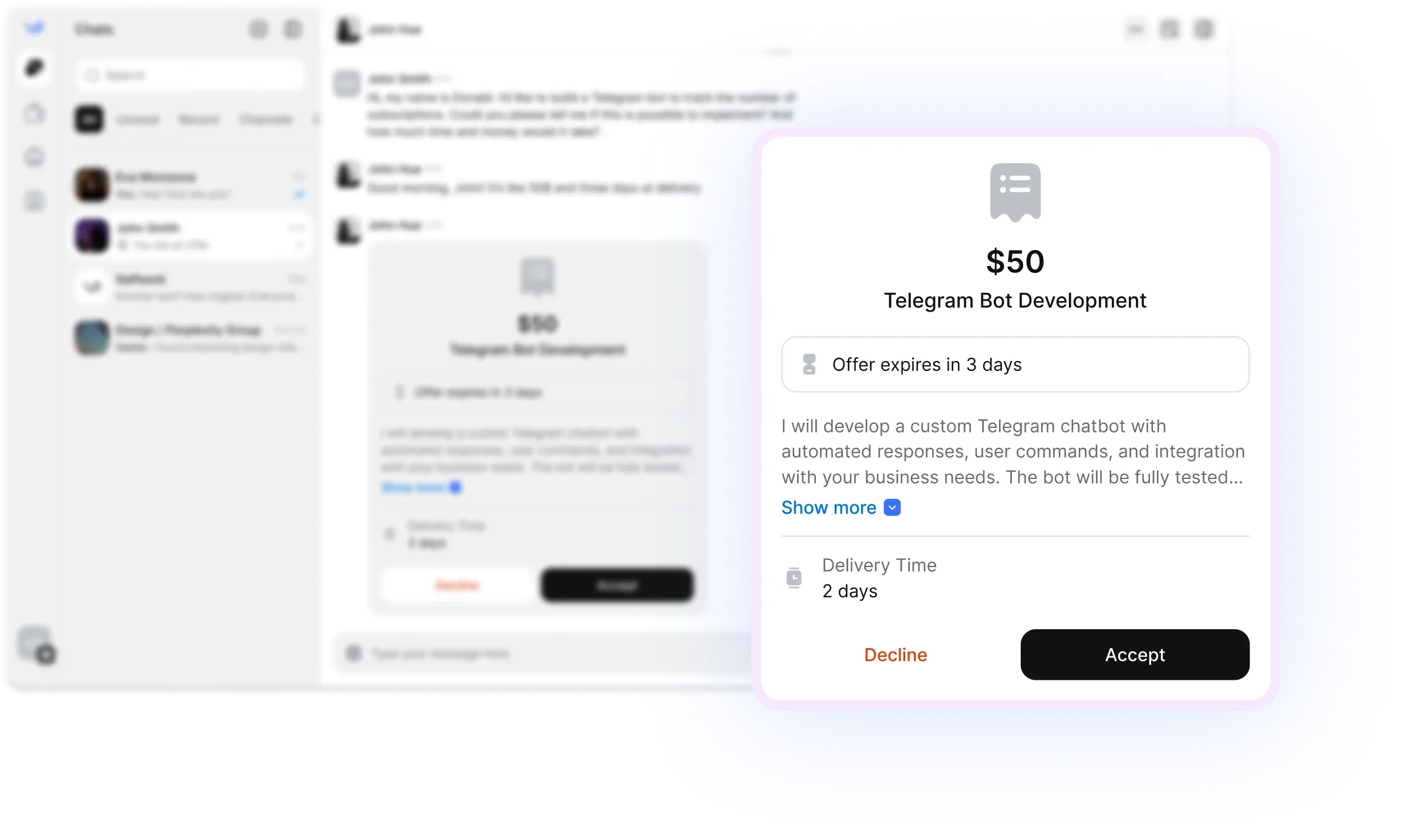
- Start securely: Fund the job through escrow, track milestones, and release payment when the agreed deliverables are completed.
This workflow is designed to help you hire software architects quickly without losing control over quality or scope.
Common brief mistakes to avoid
- Being too vague about the problem: “We need scalable architecture” is not enough. Explain what is failing now.
- Not naming the current stack: Include languages, frameworks, databases, hosting, and deployment tools.
- Skipping constraints: Mention compliance, latency targets, uptime, budget, team size, and deadlines.
- Requesting implementation without design clarity: If you want code changes, be explicit about whether you need architecture only, advisory, or hands-on delivery.
- Ignoring existing technical debt: A good architect needs to know what cannot be changed immediately.
A strong brief helps freelance software architects estimate accurately and prevents expensive redesign later.
Verification and escrow
Selfwork is built to support safe hiring for high-trust technical work. Verified profiles help you assess experience before you hire, while escrow protects both sides by keeping payment secure until milestones are completed.
For software architects, this matters because the deliverables often include strategic decisions, diagrams, documentation, and review sessions rather than just code. Escrow creates a clean payment flow for discovery, architecture audits, migration plans, and advisory retainers. Brief-led matching also helps you connect with remote software architects who fit your stack, timeline, and budget.
FAQ
How do I hire software architects for a new SaaS product?
Share your product goals, expected users, core workflows, integrations, and preferred cloud provider. The best architects will propose a practical MVP architecture and identify what can be deferred.
Can I hire a freelance software architect for an existing codebase?
Yes. Many clients hire software architects to review legacy systems, reduce technical debt, improve deployment reliability, or plan a staged refactor.
What should I ask a software architect before starting?
Ask about relevant system size, cloud experience, database choices, security considerations, and how they document decisions and tradeoffs.
Do software architects also help with implementation?
Some do. Others focus on design and reviews. If you need implementation support, include that in the brief so you match with the right profile.
What deliverables should I expect?
Common deliverables include architecture diagrams, written recommendations, migration roadmaps, API and data models, security notes, and implementation priorities.
If you want to hire software architects who can balance scalability, reliability, and delivery speed, Selfwork gives you a fast way to compare talent and start securely.