Pricing for Shopify developers
Pricing varies by scope, store complexity, and whether you need theme work, app development, or migration support. Smaller fixes are usually priced as fixed projects, while larger builds often use milestone-based or hourly arrangements.
| Project type |
Typical scope |
Common pricing model |
| Theme edits and Liquid sections |
Banner updates, product page blocks, navigation tweaks, responsive fixes |
Fixed price or hourly |
| Store optimization |
Speed improvements, UX cleanup, conversion-focused changes |
Fixed price, milestone-based |
| App integrations |
Klaviyo, Recharge, reviews, ERP, CRM, analytics |
Hourly or milestone-based |
| Migrations |
Moving products, customers, orders, URLs, design assets |
Milestone-based |
| Custom development |
Bundles, subscriptions, checkout logic, headless storefronts |
Milestone-based or retainer |
If you want to hire Shopify developers efficiently, define the deliverable in plain language: what is changing, where it appears in the store, and what success looks like. A developer can price a homepage rebuild more accurately than a vague “make it better” request.
Formats and use cases
Theme customization is best when your store already works but needs a sharper brand presence, better merchandising, or improved navigation. A freelance Shopify developer can adjust Liquid templates, create reusable sections, and refine product, collection, cart, and landing pages.
App and integration work is ideal when you need Shopify to connect with the rest of your stack. Common use cases include email and SMS tools, subscriptions, loyalty programs, review platforms, fulfillment systems, and reporting dashboards.
Migration support matters when moving from WooCommerce, Magento, BigCommerce, Webflow, or a custom stack. A strong remote Shopify developer will help preserve URLs, product data, customer records, SEO value, and critical store behavior during the switch.
Performance and conversion optimization is the right choice when traffic is healthy but sales lag. Developers can remove theme bloat, improve Core Web Vitals, streamline product discovery, and reduce friction in the cart flow.
Custom commerce features are for brands that need more than off-the-shelf setup: subscription flows, bundle builders, tiered pricing, gated content, or headless storefronts.
Four hiring steps on Selfwork
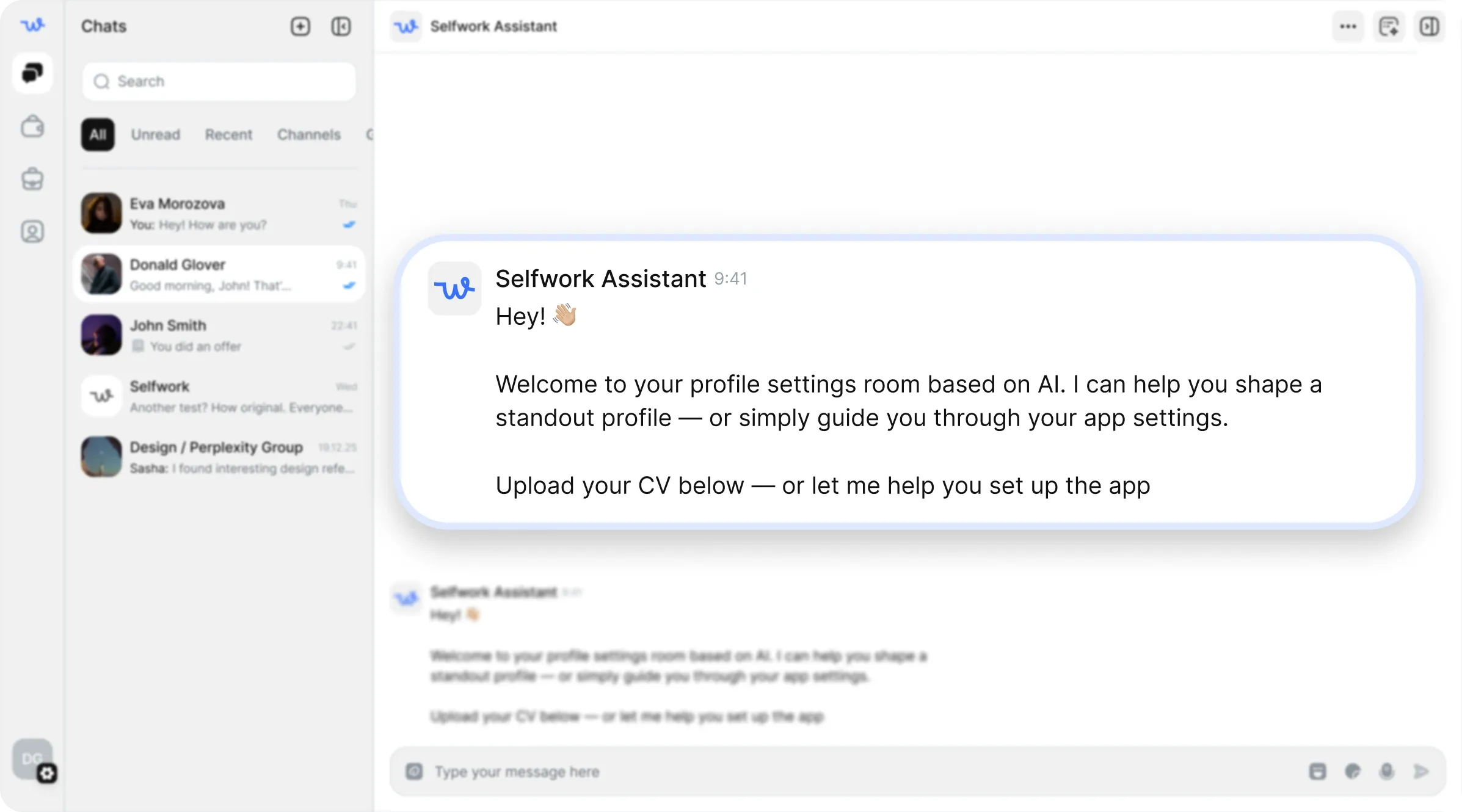
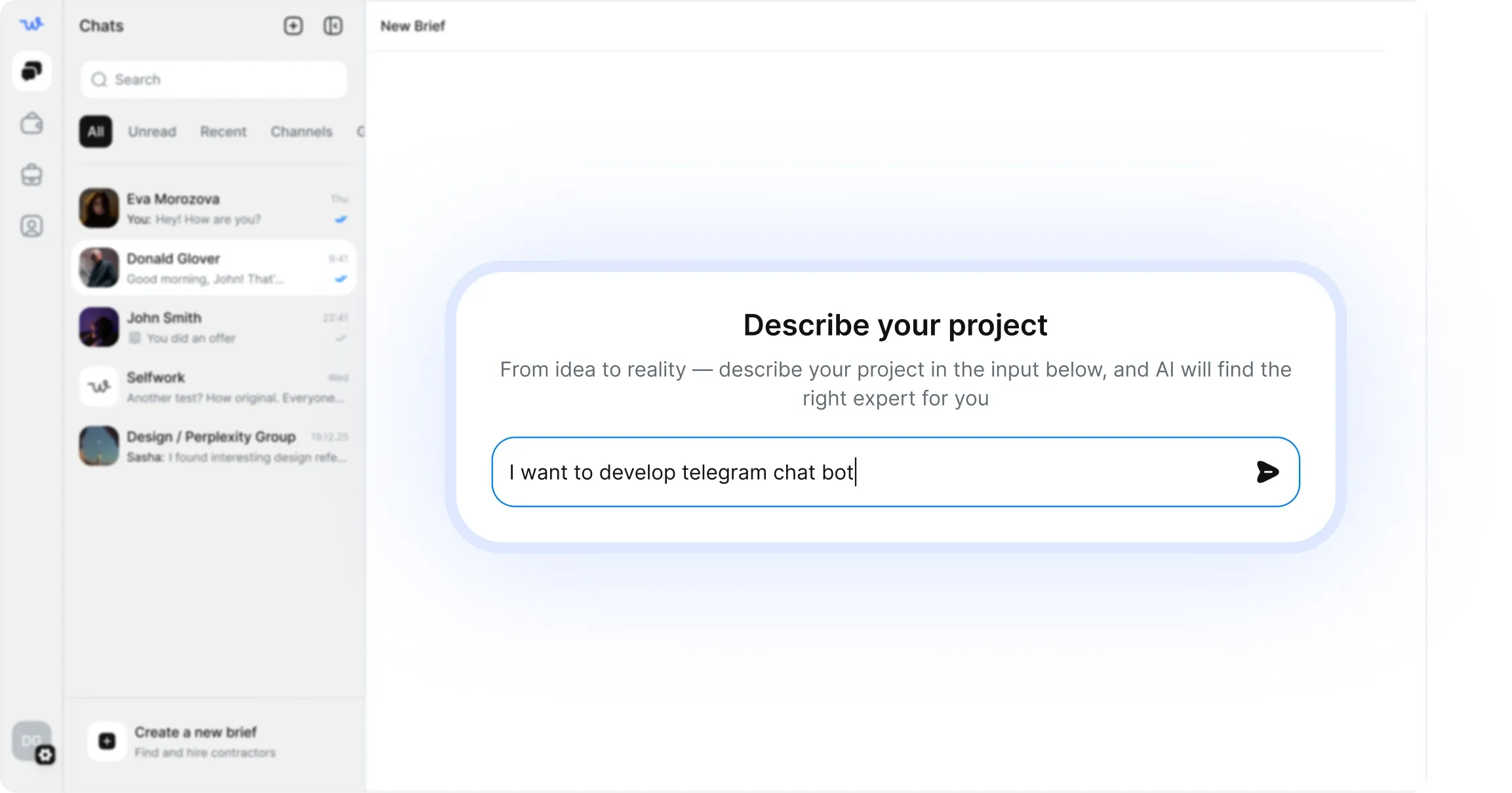
- Publish a clear brief — describe your store, goals, timeline, and technical constraints.
- Review matched Shopify developers — compare relevant projects, tools, and experience.
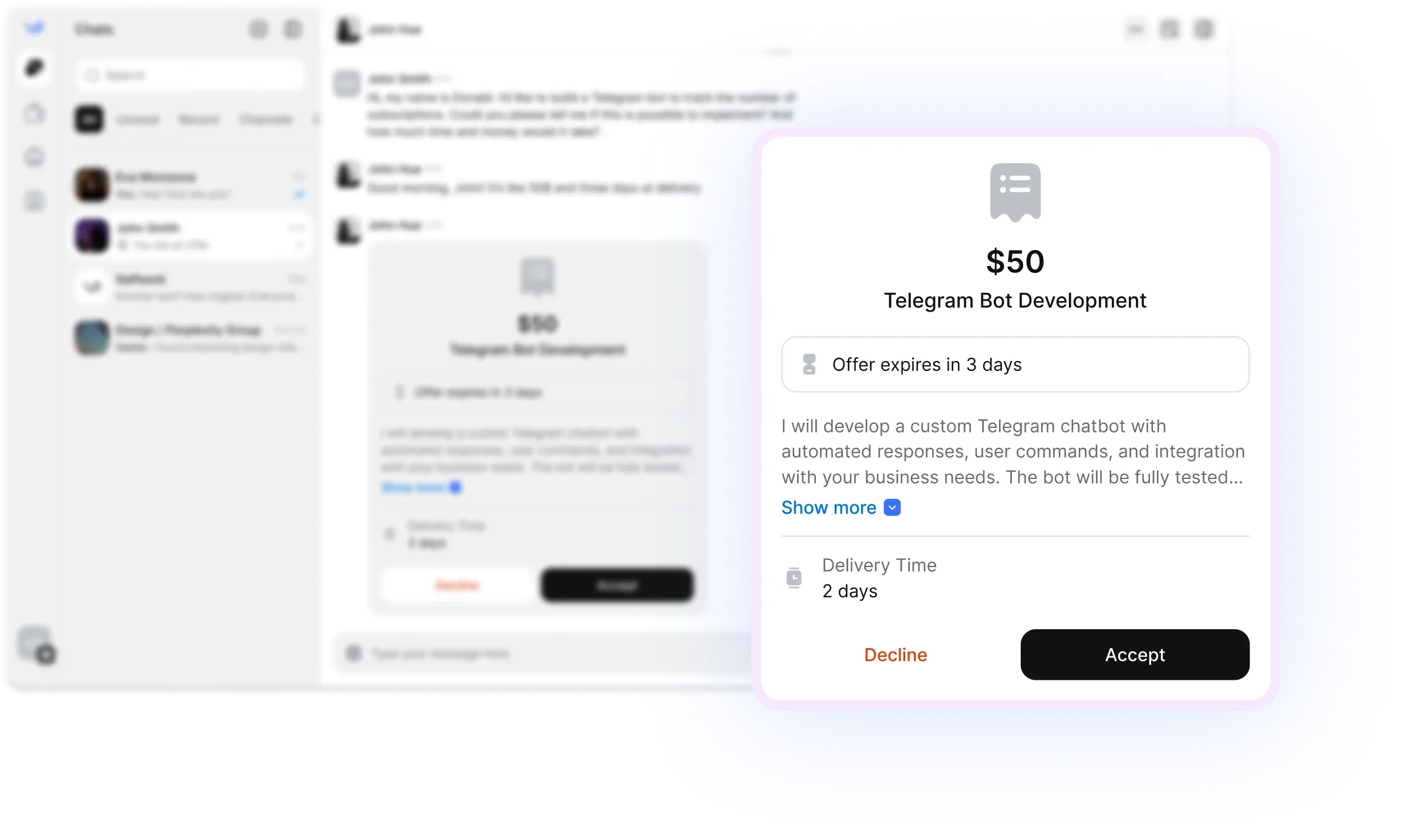
- Discuss scope and milestones — confirm deliverables, edge cases, and launch sequence.
- Fund safely and start work — use escrow to protect both sides while the project progresses.
Common brief mistakes to avoid
- Listing tasks without business context, such as “fix the store” instead of “improve mobile collection filtering and PDP clarity.”
- Omitting your current theme, installed apps, or custom code, which can affect estimates.
- Forgetting to mention migration sources, product count, variant complexity, or international storefront needs.
- Asking for a redesign without examples of stores you like, target audience details, or conversion goals.
- Not specifying whether you need a one-time build, ongoing support, or post-launch iteration.
Verification and escrow
Selfwork is built to reduce hiring risk. You can review specialist profiles, work history, and project fit before you commit. Escrow adds another layer of confidence: funds are held safely while the work is underway, so both the client and the Shopify developer have clear expectations.
That setup is especially useful for ecommerce projects, where launch timing, theme stability, and app compatibility matter. If you hire Shopify developers for a store migration or checkout-related work, escrow helps keep the project structured around milestones and approval points.
FAQ
How much does it cost to hire a Shopify developer?
Costs depend on scope. Small edits can be relatively affordable, while custom builds, migrations, and integration-heavy work require larger budgets.
Can a Shopify developer help with Shopify Plus?
Yes. Many developers support Shopify Plus projects, including custom features, advanced workflows, and higher-complexity storefronts.
Do I need a developer for theme changes?
If you want more than basic visual edits, a developer is often the right choice. They can safely modify Liquid, sections, and templates without breaking the store.
Can Shopify developers handle migrations from another platform?
Yes. A skilled developer can support product, customer, and content migration while protecting SEO and site structure.
Should I hire a freelancer or an agency?
A freelancer is often the best fit for focused tasks, quick turnaround, or budget control. Agencies can make sense for larger, multi-disciplinary programs, but many stores get excellent results from freelance Shopify developers with the right experience.