Pricing for Ruby on Rails freelancers
Ruby on Rails freelancer pricing depends on scope, app complexity, seniority, and how much rescue work is involved. A simple API fix costs far less than rebuilding a legacy monolith or shipping a full SaaS product with billing, role-based access, and background jobs.
| Engagement type |
Typical use case |
Typical pricing model |
| Quick fix / audit |
Bug fixes, code review, performance bottleneck analysis, dependency upgrades |
Hourly or small fixed scope |
| Feature sprint |
Checkout flows, dashboards, admin panels, API endpoints, Hotwire UI updates |
Fixed price or weekly rate |
| MVP build |
New SaaS apps, internal tools, marketplaces, back-office systems |
Milestone-based fixed scope |
| Ongoing maintenance |
Regression fixes, test coverage, upgrades, small feature requests, production support |
Monthly retainer or hourly |
| Legacy rescue |
Refactoring, architecture cleanup, test stabilization, deployment recovery |
Hourly, milestone, or hybrid |
If you plan to hire Ruby on Rails freelancers for complex work, ask for a milestone structure with clear acceptance criteria. That helps keep budget predictable while leaving room for the realities of software development.
Formats and use cases
Ruby on Rails freelancers can support many delivery formats:
- Backend-only development for APIs, business logic, and database design
- Full-stack product work with Hotwire, Stimulus, React, or server-rendered interfaces
- SaaS MVP builds with authentication, payments, admin tooling, and notifications
- Integration projects with Stripe, Twilio, email providers, CRMs, analytics, and third-party APIs
- Refactoring projects focused on maintainability, speed, test coverage, and code quality
- Production support for incidents, upgrade paths, and long-term maintenance
Use cases often include:
- Launching a new product without hiring full-time
- Extending an existing Rails app with a new feature set
- Replacing brittle code with a cleaner architecture
- Improving page performance and background job reliability
- Migrating infrastructure from one host to another
- Stabilizing a codebase before funding, a demo, or a release
Four hiring steps on Selfwork
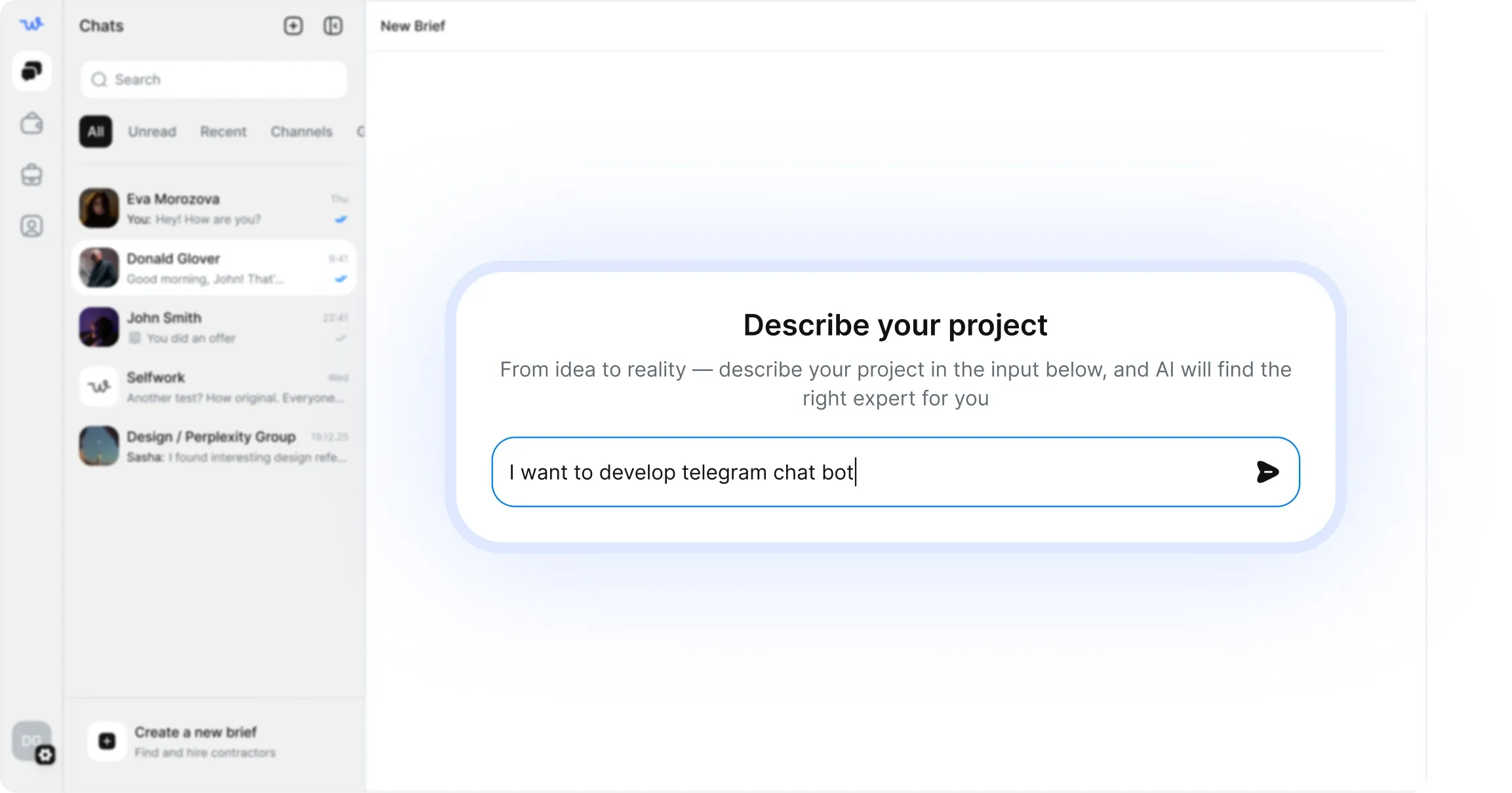
- Share your brief — Describe your app, goals, current Rails version, database, hosting setup, and what success looks like.
- Review matched freelancers — Compare relevant Rails experience, related product work, and availability for remote collaboration.
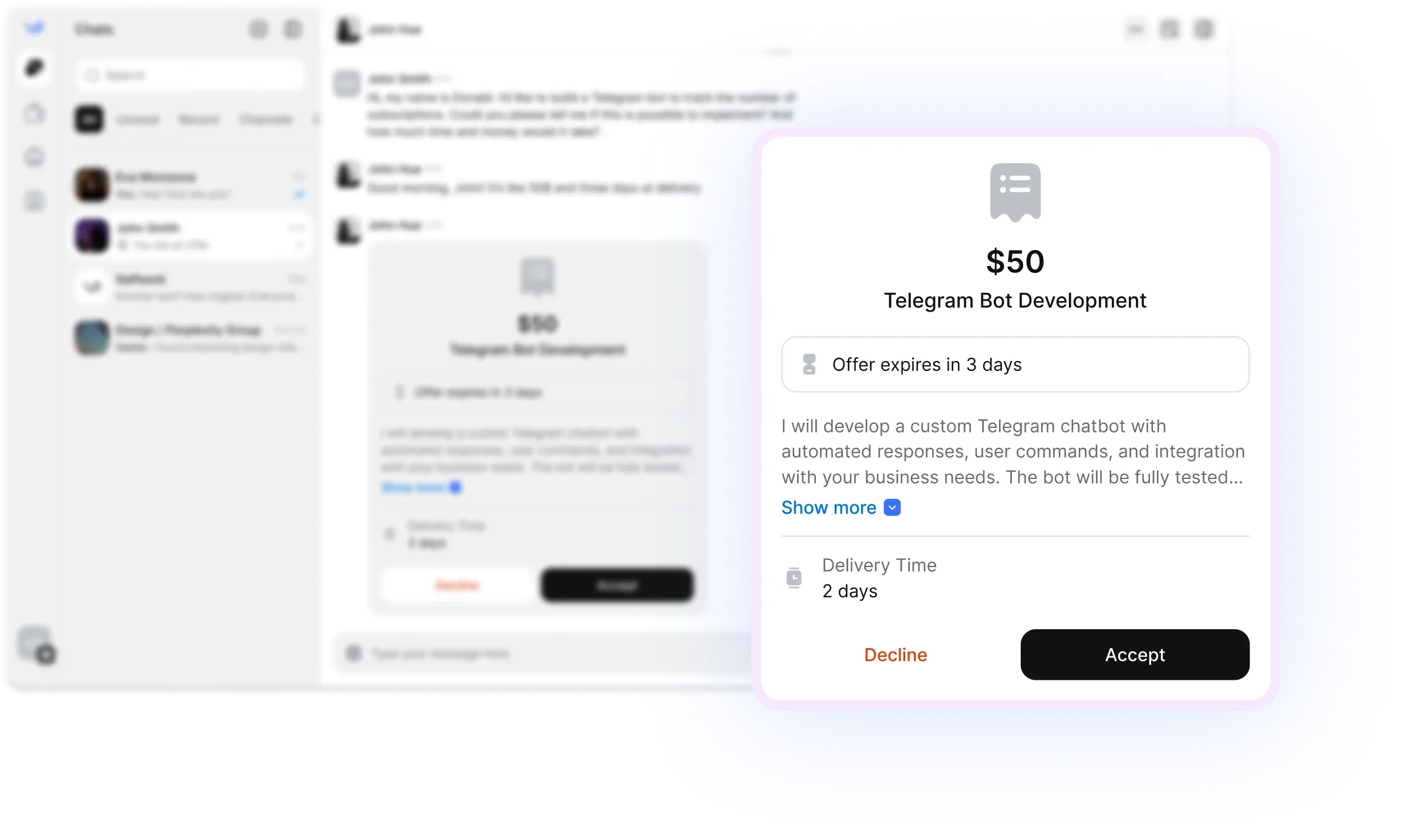
- Shortlist and clarify scope — Confirm deliverables, timeline, stack, communication cadence, and what is excluded.
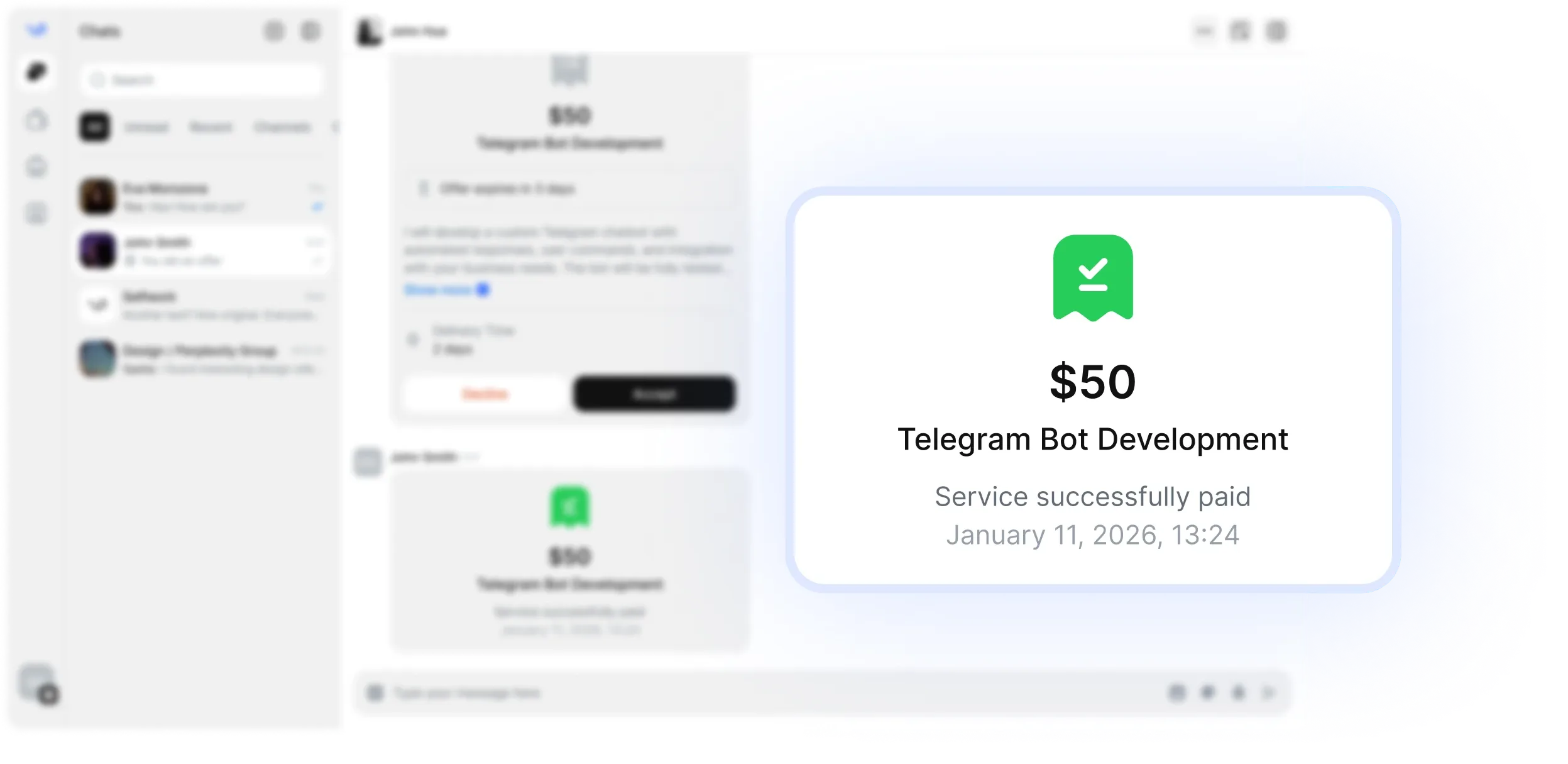
- Start safely with escrow — Fund the work, track progress against milestones, and release payment when deliverables are accepted.
Common brief mistakes to avoid
Hiring gets easier when the brief is specific. Common mistakes include:
- Saying “need a Rails developer” without naming the feature, outcome, or deadline
- Not specifying whether the work is backend-only or full-stack
- Leaving out the Rails version, database, hosting provider, or deployment environment
- Forgetting to list integrations such as Stripe, Sidekiq, Redis, or external APIs
- Asking for a full rebuild when a targeted refactor would be cheaper and faster
- Not defining acceptance criteria, making it hard to verify completion
A strong brief helps remote Ruby on Rails freelancers estimate accurately and suggest a better delivery plan.
Verification and escrow
Selfwork is built to reduce hiring risk. You can work with verified Ruby on Rails freelancers, use escrow for milestone protection, and keep the engagement tied to a clear brief. That matters when you are hiring remotely and need confidence that the freelancer has the skills to work inside an existing codebase.
Verification helps you focus on people with relevant Rails experience rather than generic profile claims. Escrow adds an additional layer of trust by holding funds until agreed deliverables are completed. For software work, that combination is especially useful when the task involves production systems, sensitive data, or time-critical releases.
FAQ
How do I hire Ruby on Rails freelancers for a SaaS MVP?
Share your core workflows, data model ideas, required integrations, and launch deadline. The best candidates will help you define a practical MVP scope before coding starts.
Can Ruby on Rails freelancers work on legacy applications?
Yes. Many Rails freelancers specialize in legacy code cleanup, test coverage improvements, upgrades, and performance tuning for older production apps.
Should I hire a backend-only or full-stack Rails freelancer?
Choose backend-only if your UI is already covered. Choose full-stack if you need both server-side logic and interface work in Hotwire, Stimulus, or React.
What details should I include in the brief?
List your current Rails version, database, hosting, known pain points, desired feature outcomes, and any integrations or deadlines.
Can I hire a Ruby on Rails freelancer for ongoing support?
Yes. Ongoing support is common for bug fixes, small features, upgrades, incident response, and continuous product improvements.