Pricing for React freelancers
React pricing depends on scope, seniority, and whether you need design-to-code execution, product engineering, or a complex migration. Small front-end tasks can be completed quickly, while larger app builds require more planning, testing, and coordination.
| Project type |
Typical scope |
Common pricing model |
| Landing page or marketing site |
1–5 responsive sections, reusable components, basic interactions |
Fixed price or hourly |
| SaaS dashboard or web app UI |
Component architecture, routing, forms, tables, state management |
Fixed price, milestone-based, or hourly |
| React/Next.js migration |
Move from legacy front-end to React, upgrade dependencies, refactor structure |
Milestone-based or hourly |
| Performance or bug-fix sprint |
Hydration issues, rendering bottlenecks, state bugs, UI regressions |
Hourly or short fixed sprint |
| Ongoing product support |
New features, component maintenance, design system updates |
Monthly retainer or hourly |
If you want to hire React freelancers efficiently, match pricing to certainty. Clear deliverables work well with fixed price. Discovery-heavy projects, migrations, and feature work often fit hourly or milestone delivery better.
Formats and use cases
React freelancers can support a wide range of front-end deliverables:
- Marketing websites: Convert designs into responsive pages with fast load times and strong UX.
- SaaS products: Build dashboards, settings panels, tables, filters, charts, and form-heavy interfaces.
- Design systems: Create reusable component libraries, tokens, and standardized UI patterns.
- Next.js builds: Deliver server-rendered or hybrid web apps with SEO-friendly structure.
- Migration work: Move from jQuery, Vue, or older React patterns into a cleaner modern stack.
- Performance optimization: Improve rendering speed, reduce bundle size, and fix interaction lag.
- Maintenance and feature sprints: Add new product functionality without breaking existing flows.
When hiring a freelance React developer, be specific about the format you need. A pixel-perfect landing page requires different strengths than a high-complexity app with permissions, data fetching, and shared state.
Four hiring steps on Selfwork
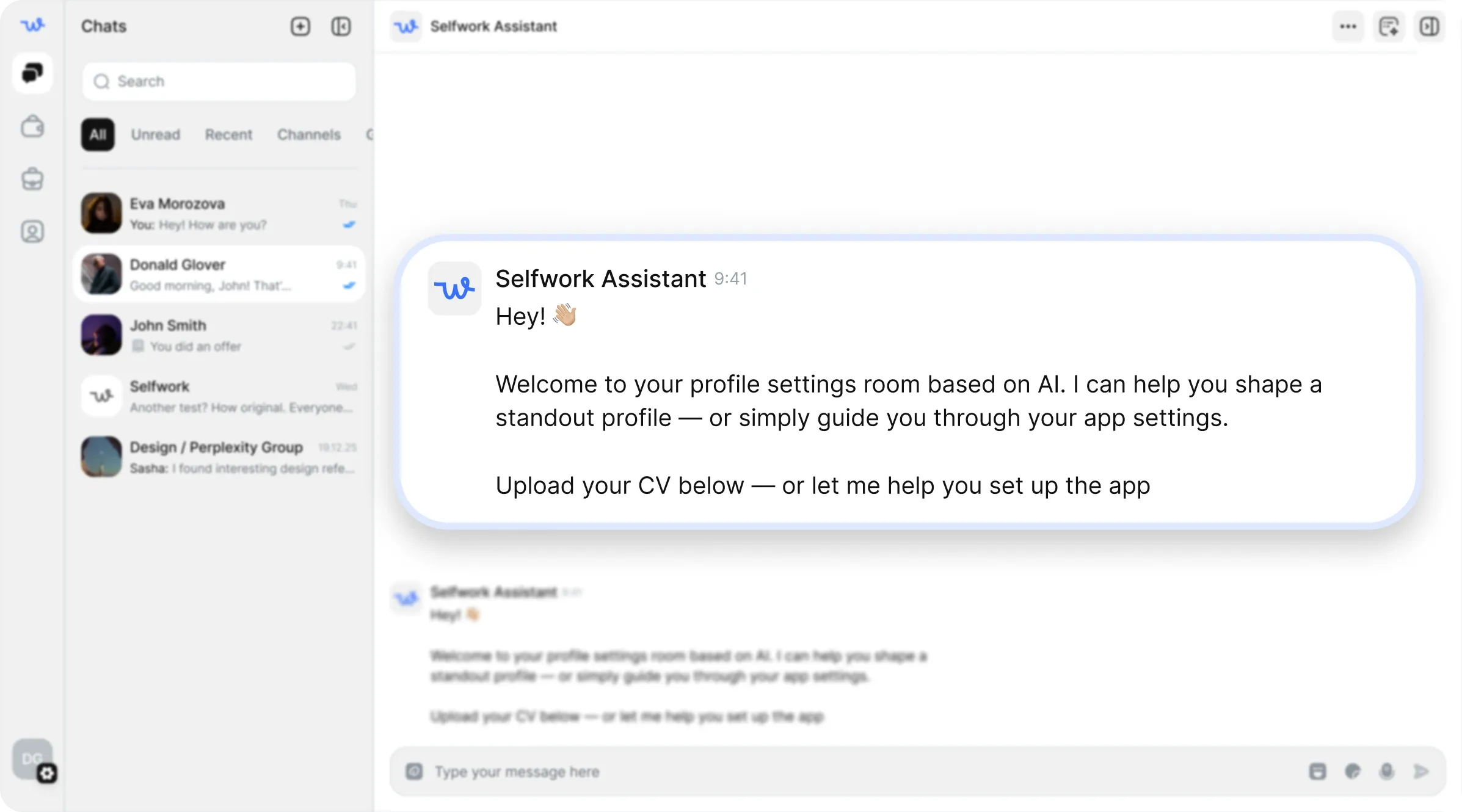
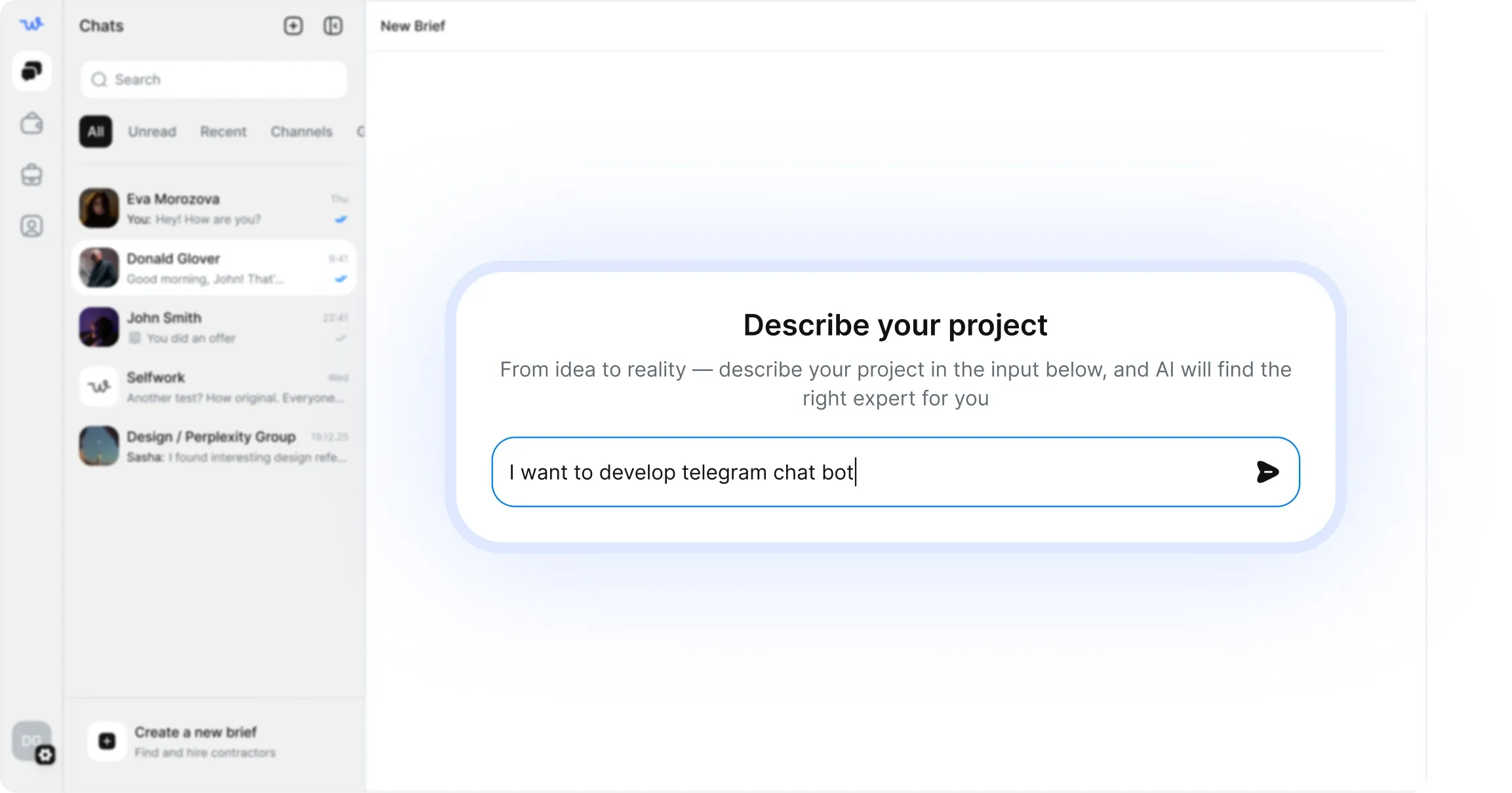
- Publish a brief. Describe your product, stack, deadline, and what the freelancer must deliver.
- Review matched React freelancers. Compare portfolio samples, technical focus, and past project signals.
- Shortlist and clarify scope. Ask about component strategy, testing, API work, and timeline before you commit.
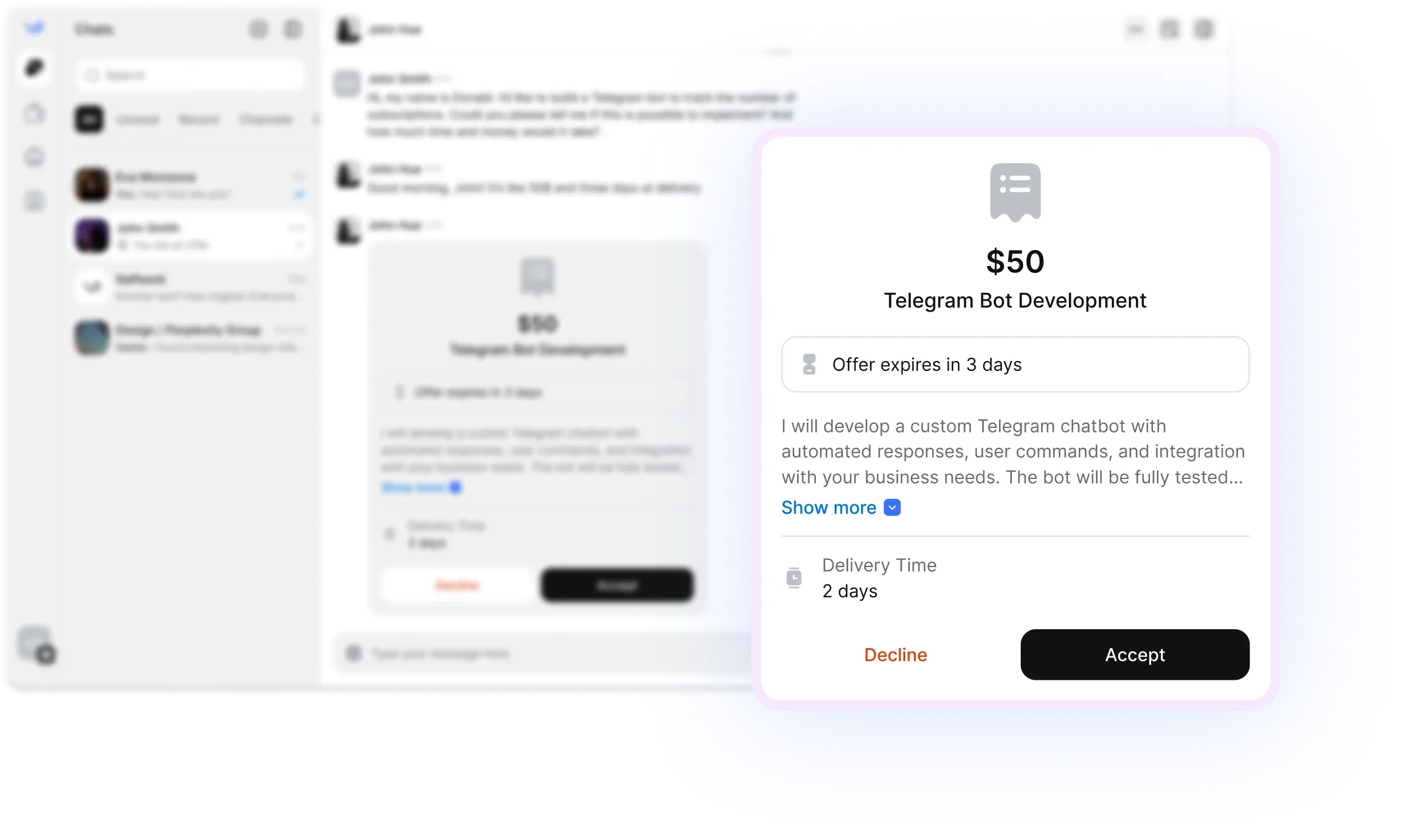
- Hire with escrow protection. Fund the project securely and release payment when milestones are completed.
This process helps you hire React freelancers with less risk and better project alignment.
Common brief mistakes to avoid
Many projects slow down because the brief is too vague. Avoid these mistakes:
- Listing only “React” as the requirement. Add whether you need Next.js, TypeScript, Tailwind CSS, Redux, or animation work.
- Skipping the UI source. Share Figma, wireframes, existing code, or component references.
- Not defining responsive behavior. Clarify mobile, tablet, and desktop expectations.
- Leaving API ownership unclear. Say who handles endpoints, auth, data models, and integration testing.
- Ignoring quality standards. Mention accessibility, unit tests, code review, performance targets, or reusable components.
A strong brief helps freelance React talent estimate accurately and deliver faster.
Verification and escrow
Selfwork is designed to make remote hiring safer. Verified profiles help you assess a React freelancer’s background, while escrow protects both sides during payment. You can review proof of experience, compare relevant work, and move forward only when the scope is clear.
For React work, verification matters because front-end skill is easy to claim but harder to prove. Look for portfolios that show clean component structure, live product examples, measurable outcomes, and experience with the stack you actually use. If you need a remote React specialist for an important release, this layer of trust is essential.
Escrow adds another advantage: the freelancer knows the project is funded, and you know milestones are tied to agreed deliverables. That makes it easier to hire React freelancers for production work, migrations, and ongoing feature development.
FAQ
How do I hire React freelancers for a small project?
Start with a tightly scoped brief: one page, one feature, or one bug-fix list. Clear scope makes it easier to compare proposals and choose a freelancer quickly.
Should I hire a React freelancer or a full-stack developer?
Hire a React freelancer when the main need is front-end implementation, UI work, component architecture, or client-side performance. Choose full-stack only if backend and infrastructure are also in scope.
What should I include in a React project brief?
Include your design files, target stack, page or feature list, integrations, timeline, browser support, responsiveness requirements, and any testing or accessibility expectations.
Can React freelancers work with Next.js and TypeScript?
Yes. Many React freelancers specialize in Next.js, TypeScript, Tailwind CSS, Redux, and modern front-end workflows.
How fast can I hire React freelancers on Selfwork?
If your brief is ready, you can review matched candidates quickly and move toward a shortlist without a long sourcing cycle.