A great PHP project starts with clarity. Before you hire PHP freelancers, decide whether you need short-term support, a feature build, a code rescue, or ongoing maintenance. PHP is a broad ecosystem: a freelancer who excels at Laravel architecture may not be the best fit for WordPress plugin development, and a CMS specialist may not be ideal for a custom SaaS API. Selfwork is designed to help you match the right person to the right job, quickly and safely.
Pricing for PHP freelancers
PHP pricing varies by framework, complexity, urgency, and whether the job touches production systems, security, or legacy code. Small fixes can be completed quickly, while full-feature builds require design, testing, and deployment support.
| Project type |
Typical price range |
Best for |
| Small bug fix or patch |
$75–$250 |
Error handling, broken forms, minor UI logic, plugin issues |
| WordPress customization |
$150–$600 |
Theme edits, plugin tweaks, WooCommerce changes |
| API integration |
$300–$1,200 |
Payment gateways, CRMs, shipping, authentication, webhooks |
| Laravel/Symfony feature build |
$600–$3,500+ |
Dashboards, admin tools, onboarding flows, business logic |
| Legacy PHP refactor |
$800–$5,000+ |
Cleanup, performance improvements, tests, migration planning |
| Ongoing monthly support |
$500–$4,000+ |
Maintenance, fixes, new features, monitoring, releases |
Always ask for a clear estimate that includes assumptions, dependencies, and revision limits. The best PHP freelancers will explain what is included, what could change scope, and how they handle staging and production deployment.
Common formats and use cases
You can hire PHP freelancers for many different delivery formats:
- Fixed-scope tasks: one plugin, one endpoint, one bug fix, one migration step.
- Feature builds: login systems, admin dashboards, payment flows, scheduling tools, internal portals.
- CMS work: WordPress theme customization, WooCommerce checkout improvements, custom post types, plugin development.
- API and backend work: REST endpoints, webhook processing, auth logic, database design, third-party integrations.
- Optimization work: slow queries, caching, code cleanup, security hardening, test coverage.
- Ongoing support: a retained remote PHP freelancer for continuous updates, QA fixes, and release support.
Typical tools and platforms include PHP, Laravel, Symfony, WordPress, WooCommerce, MySQL, Composer, Git, REST APIs, cURL, PHPUnit, and common hosting stacks. For larger projects, ask whether the freelancer can work with Docker, CI/CD, staging environments, logging, and error monitoring.
How hiring works on Selfwork in 4 steps
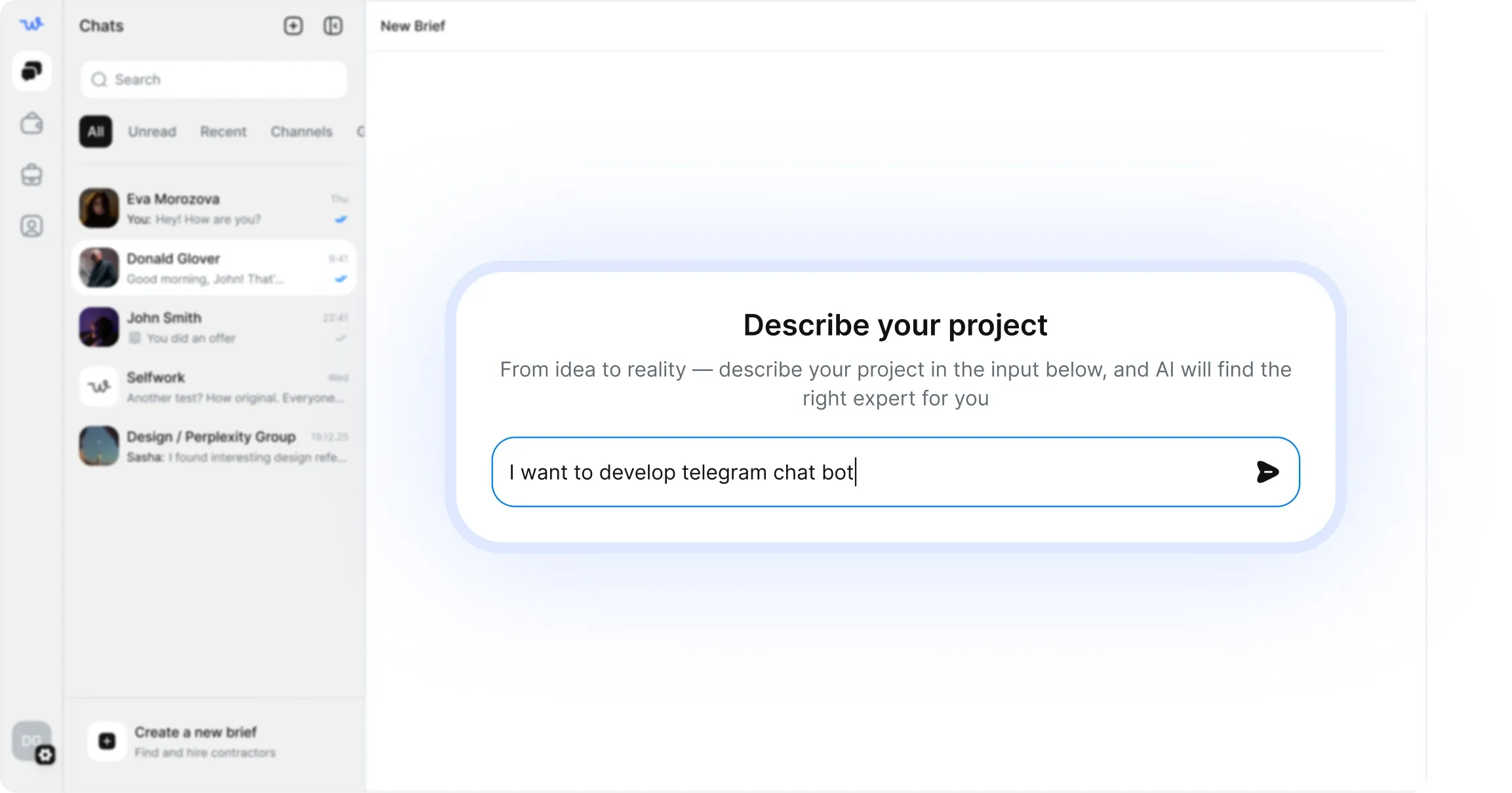
Publish a specific brief
Describe the goal, the current stack, the framework version, the database, and the desired outcome. Mention any urgency, integrations, or existing codebase constraints.
Review relevant PHP freelancers
Compare candidates by framework experience, past projects, communication style, and proof of delivery. Look for examples that match your use case: WordPress fixes, Laravel features, Symfony apps, or backend maintenance.
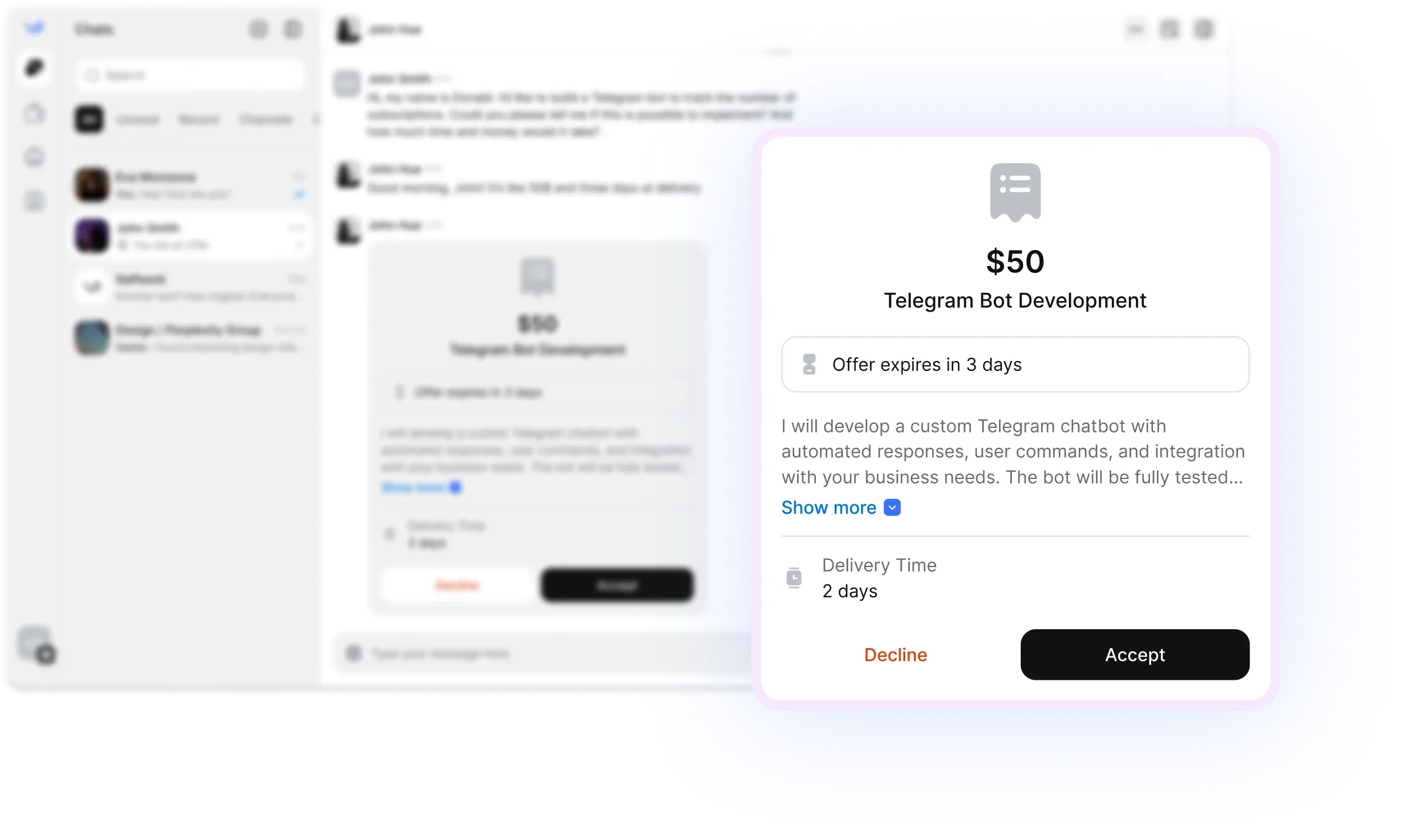
Confirm scope, price, and timeline
Choose a fixed price or milestone structure. Align on deliverables, handoff format, testing requirements, and what counts as acceptance.
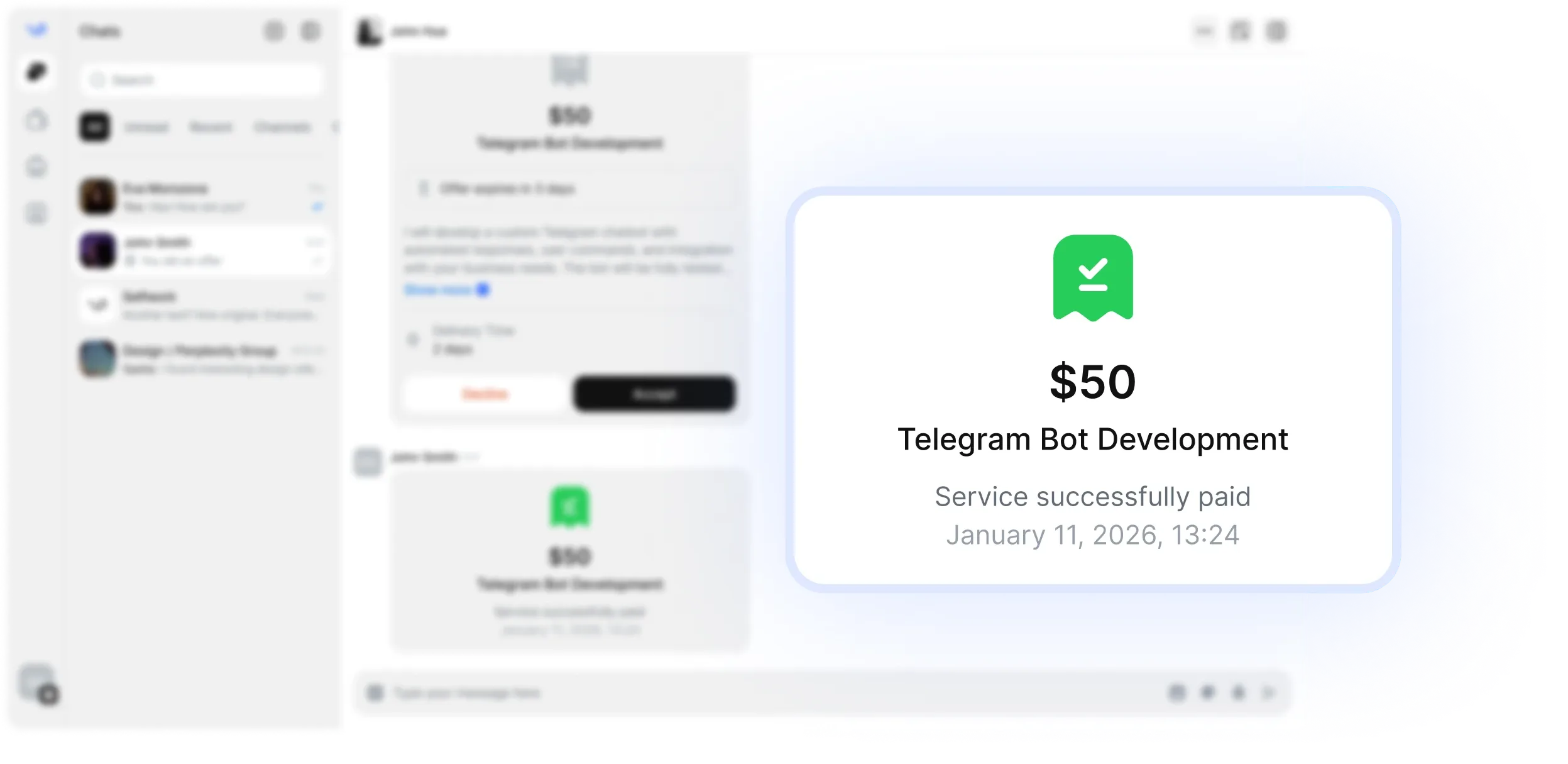
Start safely with escrow
Fund the job, track progress, and release payment when the work meets the agreed brief. Escrow helps reduce risk and keeps both sides aligned.
Common brief mistakes when you hire PHP freelancers
- Vague stack description: saying “PHP website” without version, framework, hosting, or CMS details.
- No success criteria: not defining what done looks like, such as passing tests or a working checkout flow.
- Hidden legacy constraints: failing to mention old plugins, custom themes, or fragile code paths.
- Missing integration info: leaving out APIs, webhooks, payment providers, or authentication systems.
- Unclear access and environments: no staging URL, repo access, credentials process, or deployment instructions.
- Scope creep risk: asking for “small changes” when the work actually includes refactoring, QA, and migration.
A precise brief helps a freelance PHP specialist estimate correctly and reduces rework later.
Verification and escrow
Selfwork is built to make remote hiring safer. Verified profiles help you evaluate PHP freelancers with more confidence, especially when you are hiring for production backend work, customer-facing websites, or revenue-critical systems. Escrow adds another layer of protection by holding funds until agreed milestones or deliverables are completed.
For PHP projects, this matters because the work often touches core business logic, databases, login systems, or live CMS environments. You want a freelancer who can handle sensitive changes carefully and communicate clearly about risk, testing, and rollback plans. A safe process is not just about payments — it is about reducing the chance of downtime, broken deployments, and unclear ownership.
FAQ
Can I hire PHP freelancers for WordPress and WooCommerce work?
Yes. Many PHP freelancers specialize in WordPress themes, plugins, WooCommerce checkout customization, performance fixes, and site maintenance.
Do PHP freelancers on Selfwork work remotely?
Yes. Selfwork is designed for remote hiring, so you can hire PHP freelancers from anywhere and manage the project online.
Can I hire someone for Laravel or Symfony specifically?
Yes. You can target PHP freelancers with framework experience in Laravel, Symfony, or other modern PHP stacks, depending on your project needs.
What should I include in a PHP brief?
Include your framework, PHP version, database, hosting, current repo status, required integrations, deadline, and any staging or deployment details.
Is escrow useful for backend and API projects?
Yes. Escrow is especially useful for backend work because deliverables can be reviewed against clear milestones, testing, and acceptance criteria before payment is released.