Pricing
Musician pricing depends on the role, usage rights, recording complexity, turnaround time, and whether you need custom writing, performance, or both. A solo instrumental overdub costs less than a full song arrangement with multiple revisions and commercial usage.
| Service type |
Typical price range |
Best for |
| Simple session part |
$50–$200 |
Guitar, bass, keys, drums, or vocal layers on an existing track |
| Full song writing |
$150–$600 |
Topline, melody, lyrics, and structure for demos or releases |
| Custom composition |
$200–$1,000+ |
Brand music, film cues, game loops, and original themes |
| Remote multitrack session |
$100–$500 |
Clean stems, alternate takes, and production-ready recordings |
| Commercial/licensed work |
$300–$2,000+ |
Ads, branded content, podcast intros, and campaign music |
When you hire musicians, ask whether the quote includes revisions, stems, mix notes, session files, and rights for your intended use. A lower headline rate can become expensive if it excludes the exact files or usage you need.
Formats and use cases
Freelance musicians on Selfwork can support a wide range of deliverables:
- Songwriting and toplines for pop, hip-hop, EDM, indie, R&B, folk, and cinematic projects
- Session performance for vocals, guitar, bass, drums, piano, synths, strings, brass, and percussion
- Remote recording for clean dry takes, harmonies, doubles, and alternate performances
- Composition for brands, trailers, podcasts, social content, and explainer videos
- Arrangements for demos that need stronger structure, dynamics, or instrumentation
- MIDI mockups and pre-production for client approval before studio tracking
- Live performance support for rehearsals, events, and tours where flexible talent is needed
This makes it easier to hire musicians for both creative and operational needs. If your project starts as a rough idea, you can hire a freelance musician to turn it into something recordable, pitchable, or ready to publish.
Four hiring steps on Selfwork
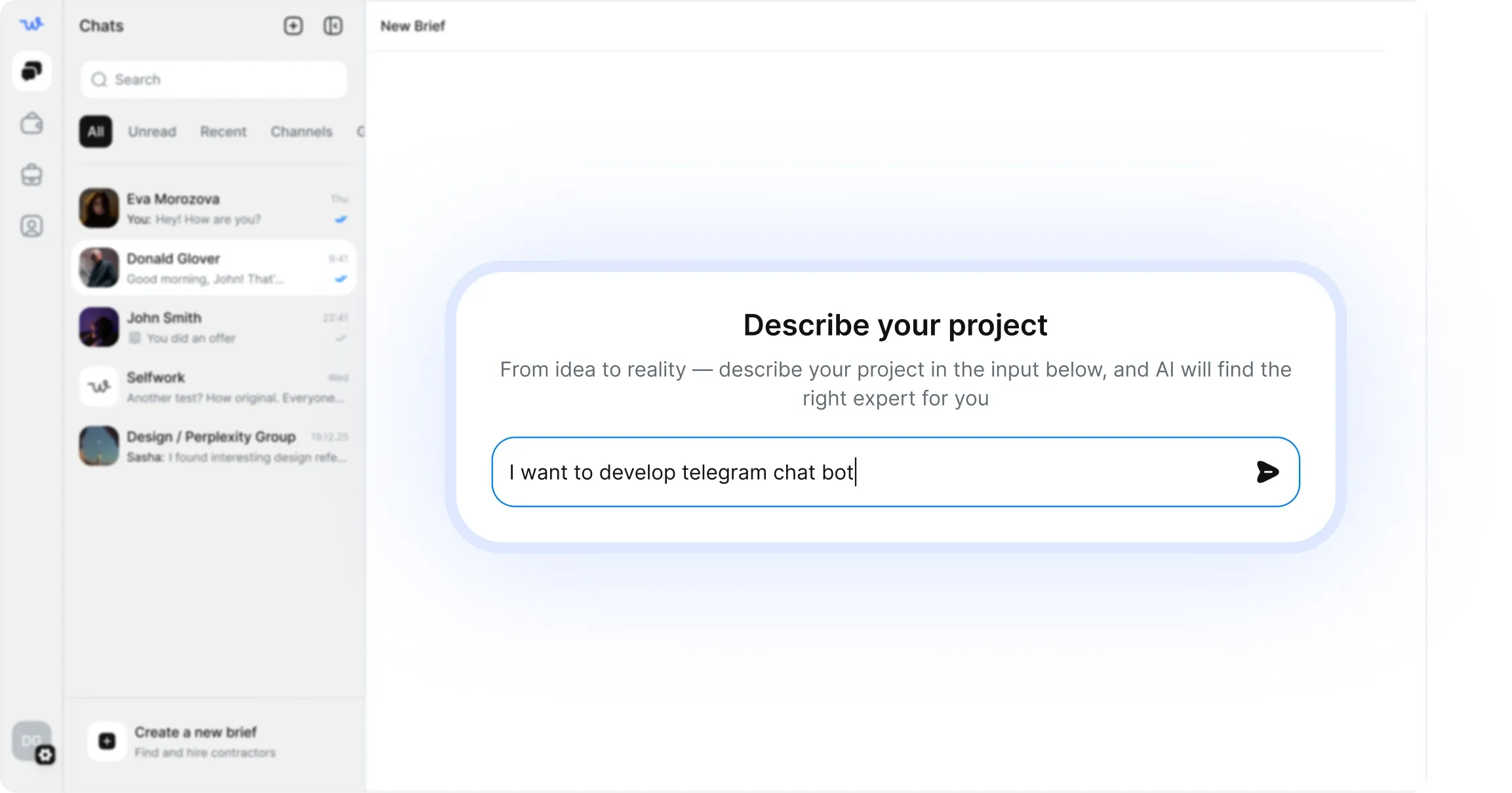
Post a detailed brief
Describe the sound, reference tracks, instruments, length, deadline, and intended use. Include any technical requirements such as tempo, key, sample rate, or file format.
Review matching musicians
Compare profiles, credits, samples, and availability. Look for experience with your genre, a strong communication style, and delivery examples that match your quality bar.
Agree on scope and milestones
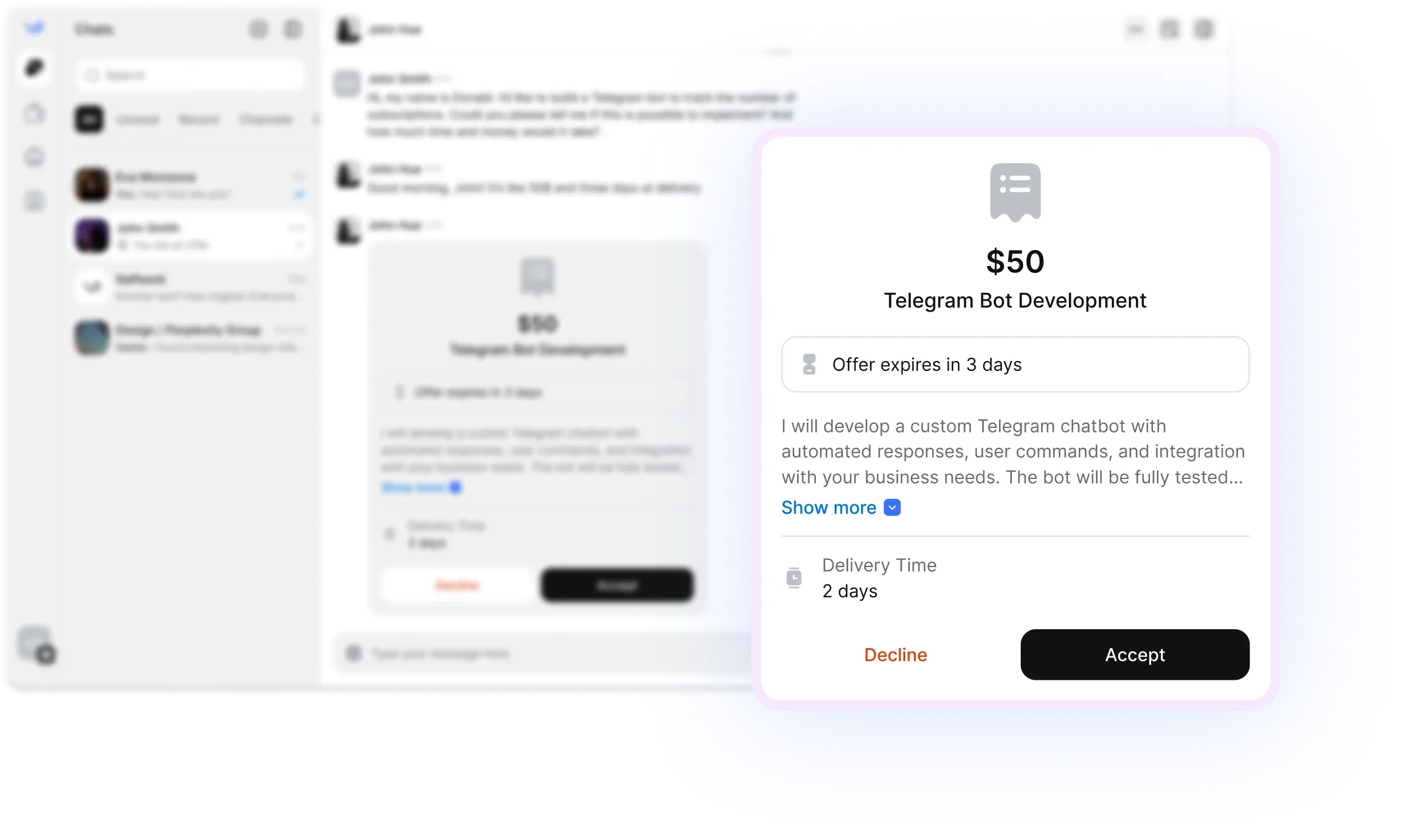
Confirm what is included: writing, recording, edits, revisions, stems, and usage rights. Set milestones if the project is larger or has multiple phases.
Pay through escrow and receive delivery
Funds are protected while the work is in progress. Release payment when the files meet the brief, so both sides stay aligned from start to finish.
Common brief mistakes
Many projects slow down because the brief is too vague. If you want to hire musicians efficiently, avoid these mistakes:
- Saying “make it sound good” instead of naming genre, mood, and reference songs
- Forgetting to specify whether you need writing, performance, or both
- Not stating the intended use, which affects licensing and pricing
- Leaving out tempo, key, arrangement length, or file requirements
- Asking for too many revisions without defining what counts as a revision
- Not clarifying whether you want dry stems, edited files, or a final mix
The more concrete your brief, the easier it is for a remote musician to quote accurately and deliver the right result the first time.
Verification and escrow
Selfwork is designed to make it safer to hire musicians online. Verified profiles help you evaluate experience before you start, while escrow reduces payment risk by holding funds until the agreed work is delivered.
That matters whether you are hiring a freelance musician for a single session or building a long-term creative roster. You can compare evidence of past work, review communication quality, and confirm deliverables in writing before payment moves forward.
For music projects, that protection is especially useful when deadlines are tight, revisions are likely, and file handoff has to be precise. Escrow keeps the process structured so both sides can focus on the music.
FAQ
Can I hire musicians for remote recording?
Yes. Many musicians can record in home studios and deliver clean stems, harmonies, instrument parts, or full session files remotely.
What should I include when I hire musicians?
Share genre, references, instruments needed, deadline, intended usage, file format, and whether you need writing, performance, or arrangement.
Do musicians on Selfwork work with commercial projects?
Yes. You can hire musicians for ads, branded content, podcast intros, trailers, and other licensed or commercial uses, as long as the brief defines usage clearly.
Can I hire one musician for songwriting and performance?
Absolutely. Many freelance musicians can write, perform, and record, which is useful when you want one person to handle multiple parts.
How fast can I get a first draft?
Timing depends on scope, but brief-led matching helps you find musicians who are already available and comfortable with your turnaround window.