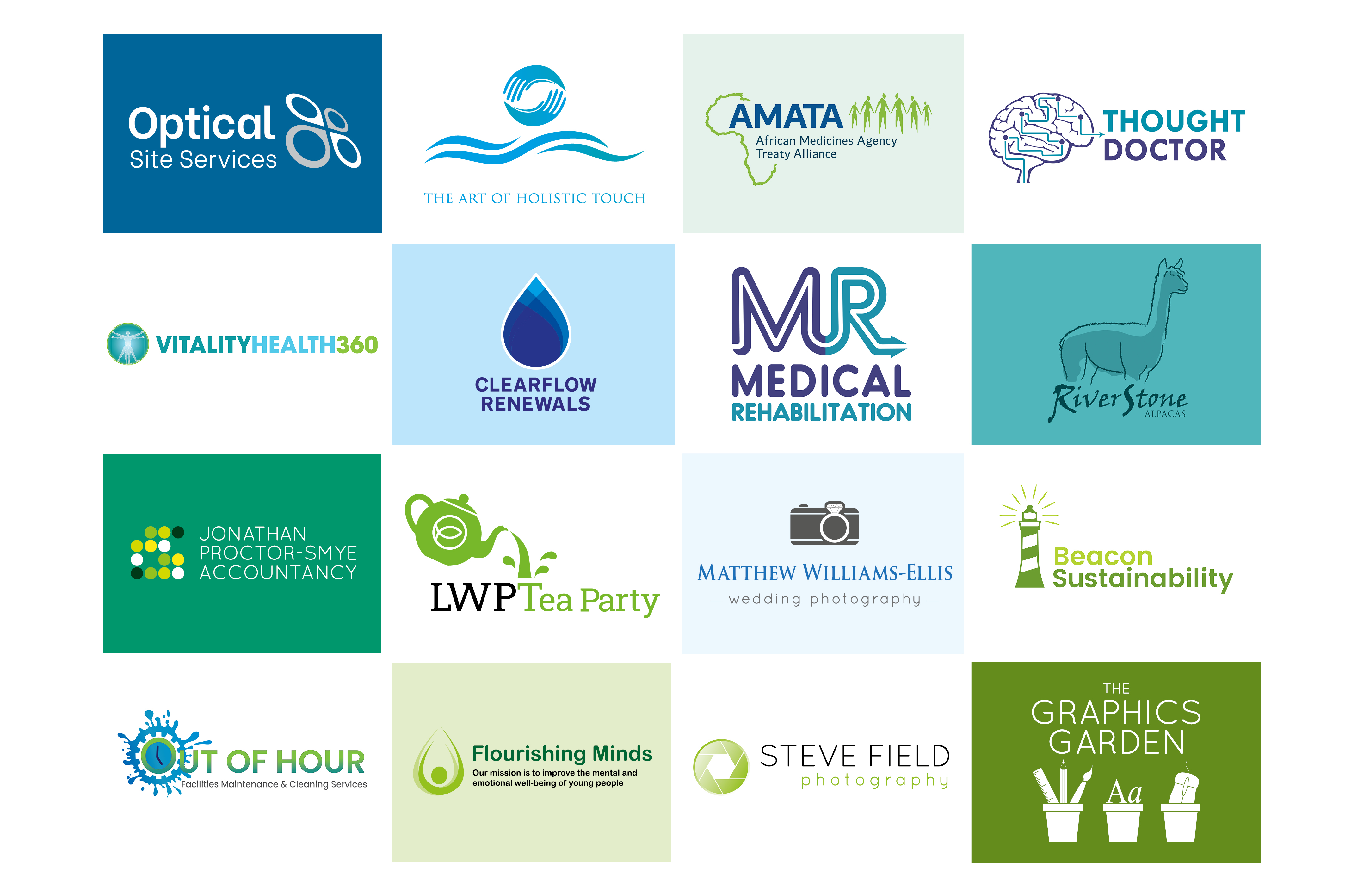
Pricing for logo designers
Logo design pricing depends on the complexity of the brief, the number of concepts, revision rounds, and whether you need a standalone mark or a broader identity system. A simple wordmark can cost less than a full brand kit, while a high-end identity project with research, exploration, and guidelines will cost more.
| Project type |
Typical price range |
Best for |
Common deliverables |
| Basic logo concept |
$150–$500 |
Early-stage businesses, side projects, small local brands |
1–2 concepts, one direction, final files |
| Standard logo package |
$500–$1,500 |
Startups, product launches, service brands |
Multiple concepts, revisions, vector files, color and mono versions |
| Brand identity kit |
$1,500–$5,000 |
Growing companies, funded startups, agencies |
Logo suite, typography direction, usage rules, social assets |
| Premium identity system |
$5,000+ |
Rebrands, premium consumer brands, multi-product companies |
Strategy, exploration, logo system, art direction, guidelines |
When you hire logo designers, be specific about what is included. A low price may only cover a single mark and a few exports, while a higher price may include multiple concept routes, deep refinement, and brand documentation.
Formats and use cases
Logo designers work across many needs, and the right format depends on where the logo will be used.
- Wordmarks for companies that want a clean text-based identity.
- Monograms for compact branding, app icons, and social avatars.
- Symbol logos for products that need a distinctive icon or mark.
- Badge or emblem logos for heritage brands, clubs, creators, and premium labels.
- Combination marks when you need both a symbol and a name lockup.
- Responsive logo sets for websites, mobile apps, and multiple placements.
- Rebrands and refreshes when the current identity is outdated but the brand equity is still useful.
Typical use cases include startup launches, SaaS products, ecommerce stores, personal brands, agencies, podcasts, YouTube channels, restaurants, salons, nonprofits, and local businesses. You can also hire freelance logo designers for campaign logos, event marks, or seasonal sub-brands.
A good brief should mention where the logo will appear most often: website header, app icon, packaging, storefront, social profile, proposal deck, or merchandise. That helps remote logo designers choose the right balance between simplicity, character, and scalability.
Four hiring steps on Selfwork
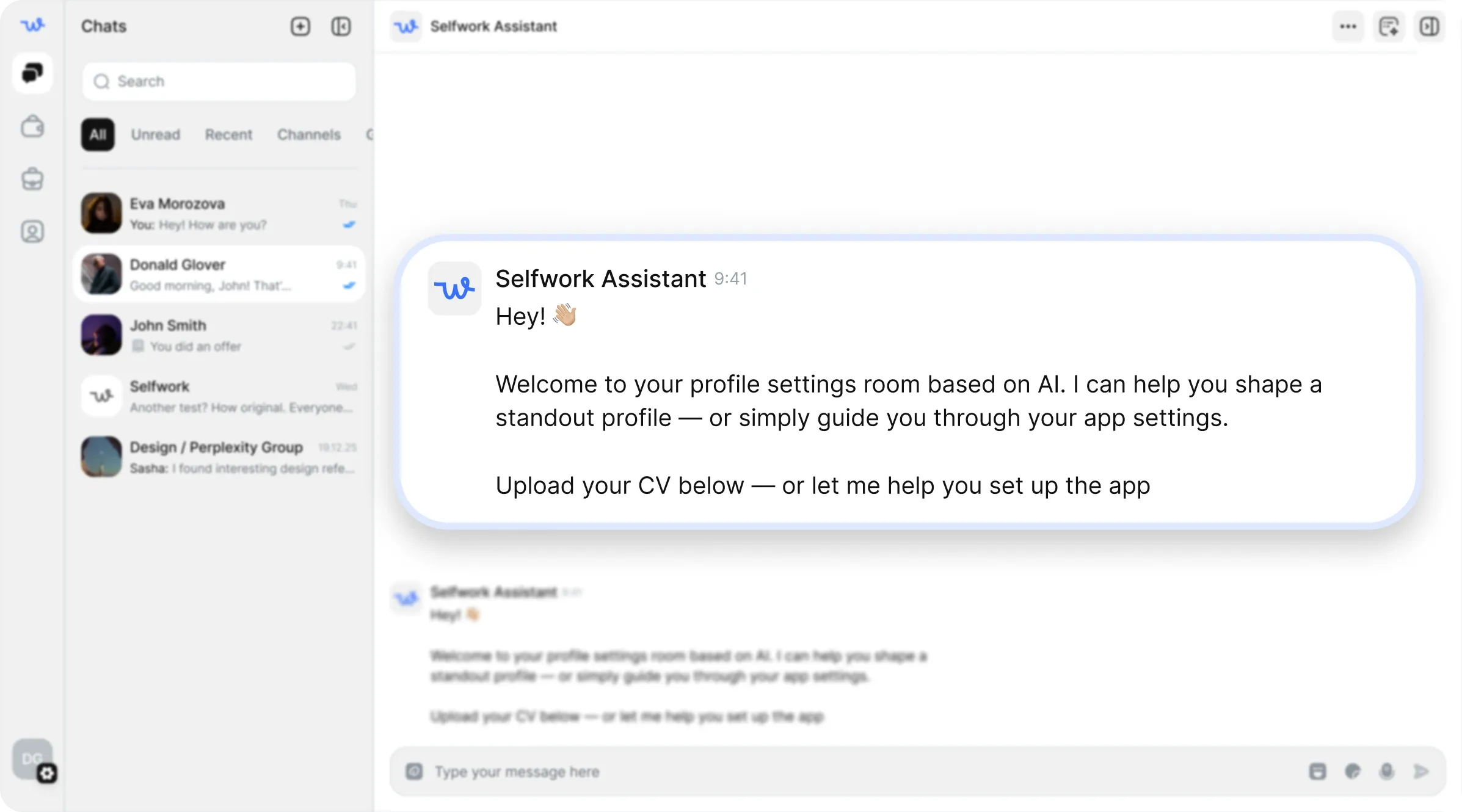
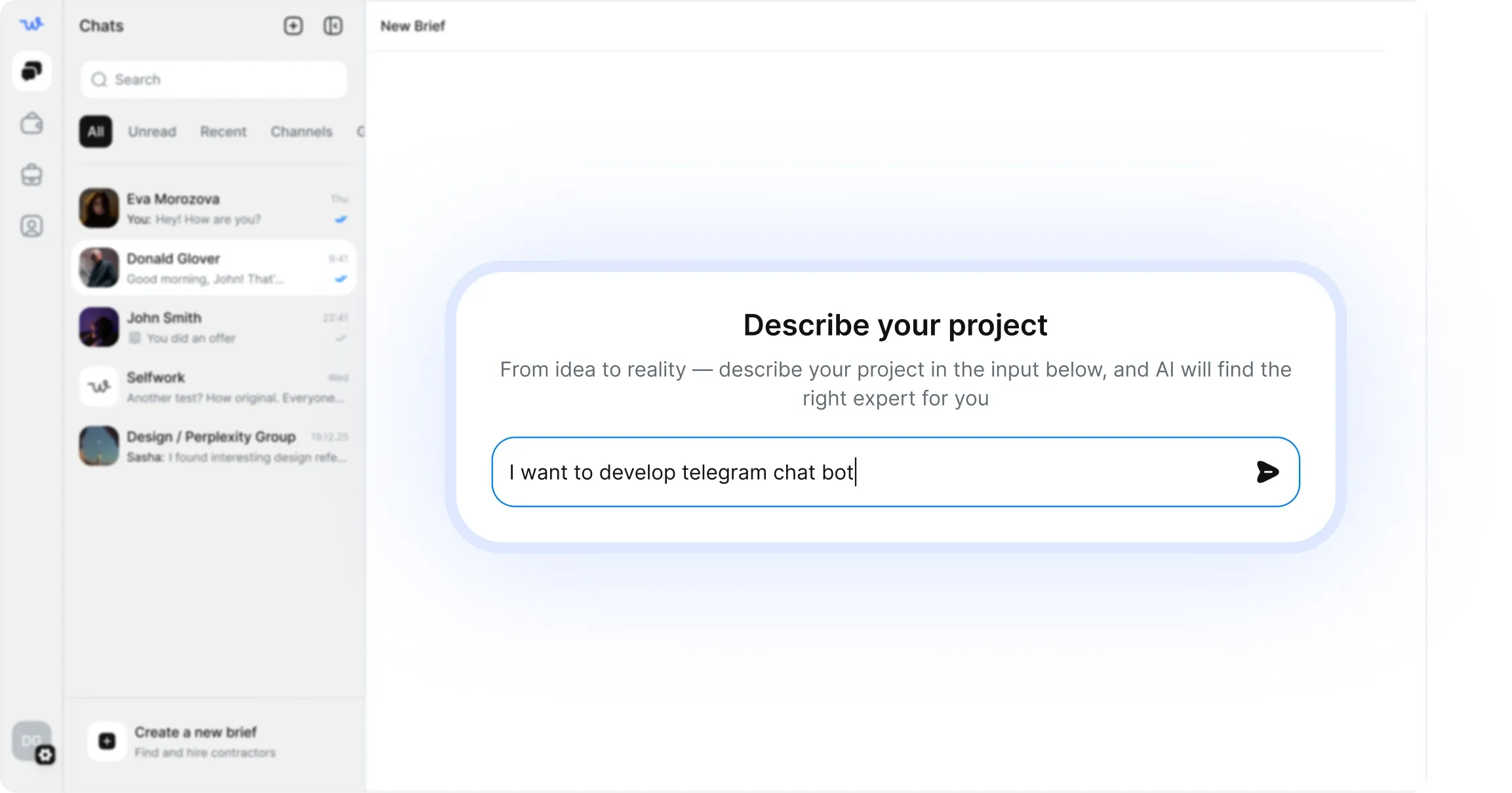
Post a brief with the right context
Share your company name, industry, audience, style references, timeline, and any constraints. Include notes on whether you need a fresh logo, a refresh, or a full identity kit.
Review matching logo designers
Compare portfolios, past work, turnaround speed, rates, and style fit. Look for evidence of strong typography, clean vector work, and logos that remain clear at small sizes.
Agree on scope and deliverables
Confirm the number of concepts, revision rounds, file formats, and whether you want brand usage guidance. This is where you align on priorities before work starts.
Fund the project and move through milestones
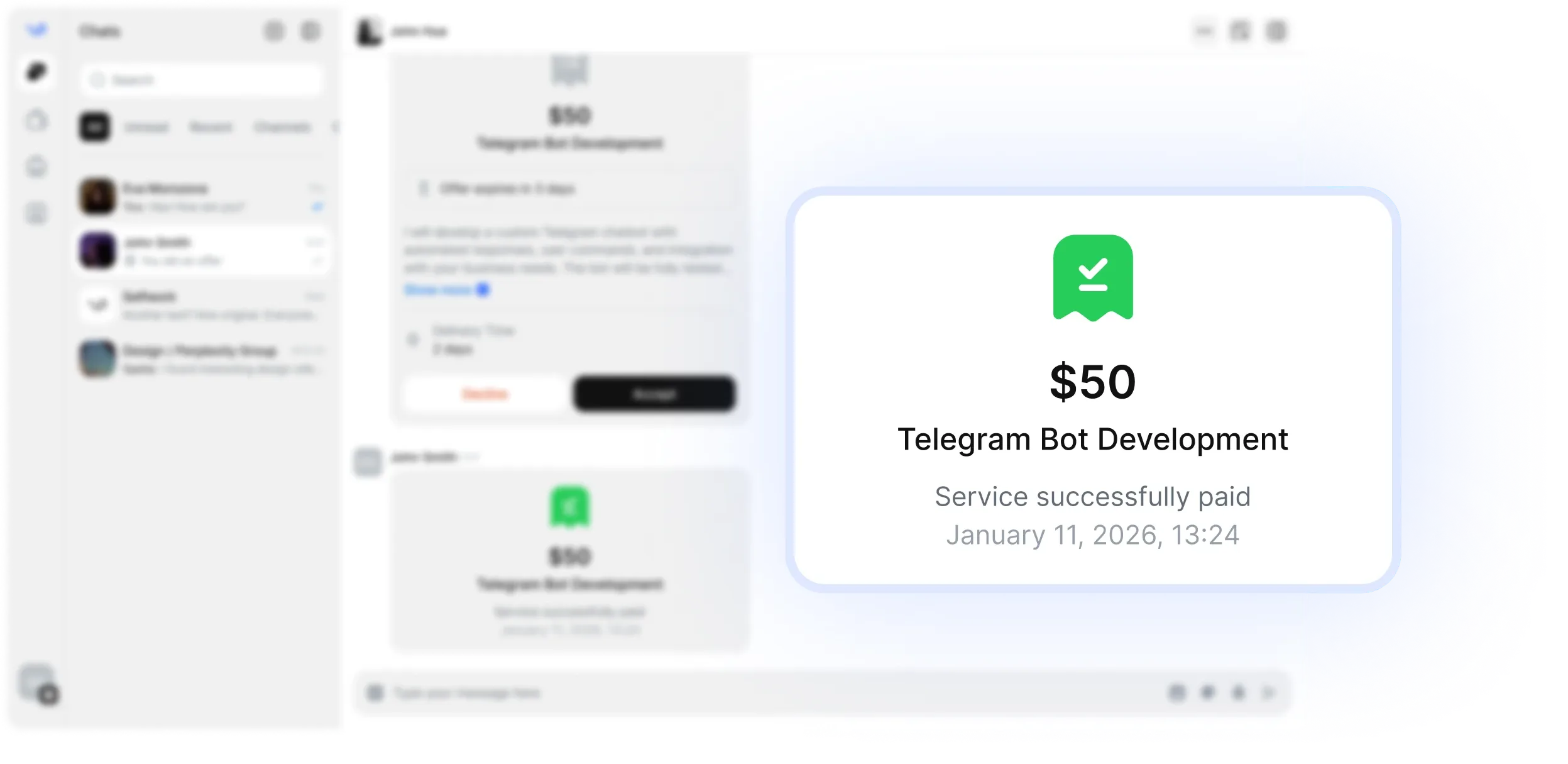
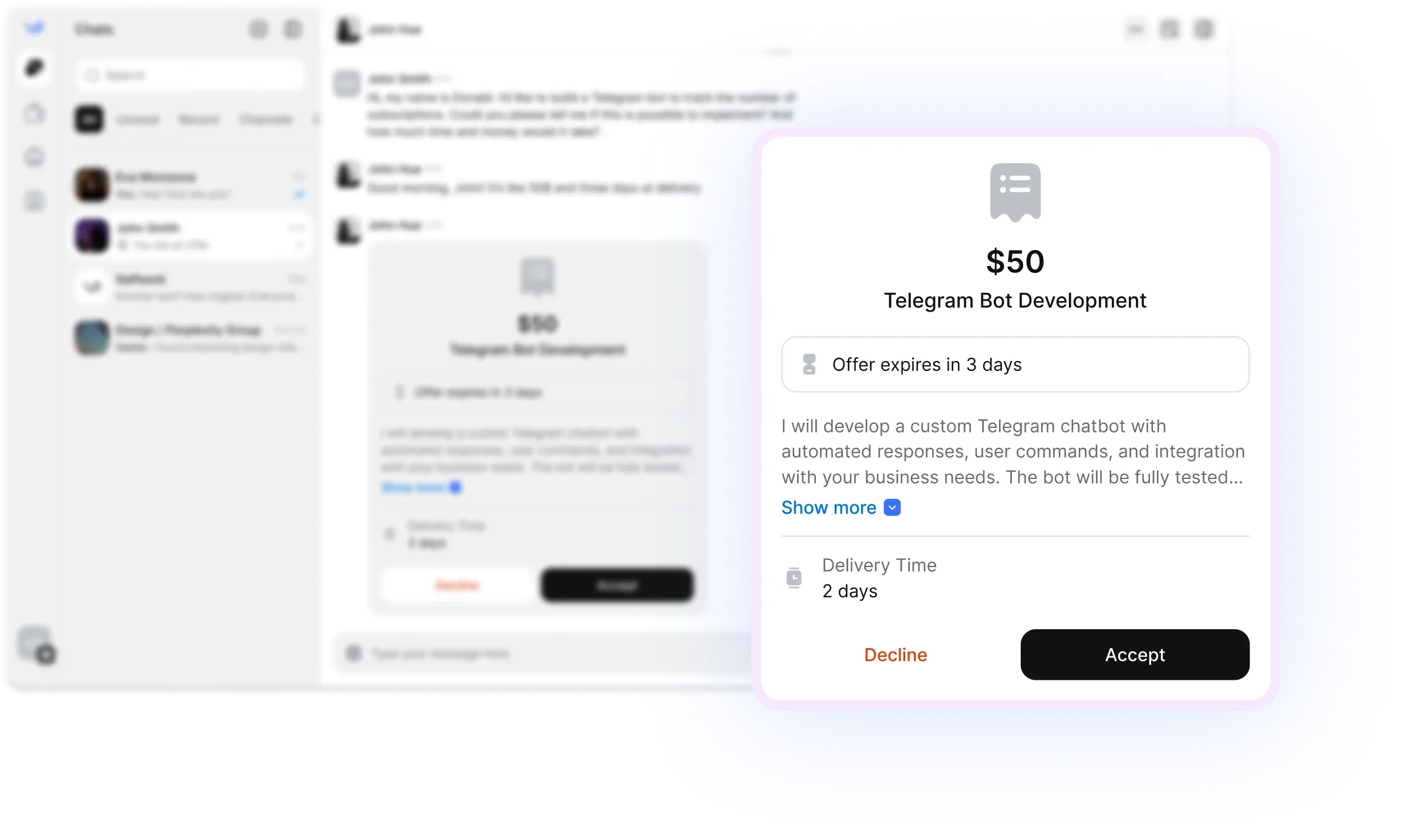
Selfwork escrow keeps payments protected while the designer works. You can approve progress, request revisions, and release payment when the agreed deliverables are complete.
Common brief mistakes to avoid
- Being too vague about the business — logo designers need to know what the company does and who it serves.
- Listing too many style directions — asking for minimalist, playful, luxury, retro, and futuristic all at once usually weakens the result.
- Skipping usage requirements — if the logo must work in an app icon or small social avatar, say so early.
- Not defining deliverables — clarify whether you need source files, vector exports, monochrome versions, favicon files, or a mini brand guide.
- Changing the brief midstream — major strategy changes after concepts are shared can add time and cost.
- Choosing by price alone — the cheapest option is rarely the best fit for a long-term brand asset.
A strong brief helps freelance logo designers make better creative decisions faster. If you already have a brand name, tagline, color direction, or competitor set, include it. If you do not, ask the designer to help shape the early visual direction.
Verification and escrow
Selfwork is designed to make it easier to hire logo designers safely. Many specialists have verified profiles, portfolio history, and response data that help you assess fit before you commit.
Escrow adds another layer of protection. Instead of sending money directly and hoping for the best, you fund the work through the platform. Payment is held while the logo designer completes the agreed milestones. That gives both sides clarity: the designer knows the project is funded, and you know the money is protected until the work is delivered.
This setup is especially useful for remote logo designers working across time zones. It keeps the process professional, reduces friction, and makes it easier to collaborate on concepts, revisions, and final exports.
FAQ
How many logo concepts should I ask for?
Most projects work well with 2–4 initial directions. Too many concepts can dilute focus and increase decision fatigue.
What files should a logo designer deliver?
At minimum, ask for editable source files and export-ready versions in vector and raster formats. Common deliverables include AI, EPS, SVG, PDF, PNG, and JPG.
Can I hire a logo designer for a rebrand?
Yes. Many freelance logo designers specialize in refreshes and rebrands, including modernizing an older mark while preserving brand recognition.
How do I know if a logo designer is a good fit for my brand?
Look for relevant portfolio examples, typography quality, versatility across formats, and experience with your industry or aesthetic.
Do logo designers also create brand guidelines?
Many do. If you need usage rules, color specs, spacing guidance, and logo variations, include that in the brief so it is priced and scoped correctly.