Pricing
Laravel freelance pricing depends on scope, seniority, and whether the work is new development, cleanup, or ongoing support. A small bug fix costs far less than a full SaaS build, but the cheapest option is rarely the best if the codebase is complex or the launch date is tight.
| Engagement type |
Typical use case |
Common pricing model |
What affects the price |
| Bug fix / small task |
Fixing a broken endpoint, template issue, validation bug, or deployment error |
Hourly or fixed fee |
Urgency, codebase complexity, access to logs, testing needs |
| Feature sprint |
Building a dashboard, CRUD flow, webhook handler, or payment step |
Fixed milestone or weekly rate |
Number of screens, API complexity, QA requirements |
| MVP / greenfield build |
SaaS product, internal tool, marketplace backend, admin panel |
Milestone-based project fee |
Architecture, integrations, auth, tenancy, release scope |
| Ongoing maintenance |
Updates, monitoring, refactors, security patches, support |
Monthly retainer |
SLA, response time, release cadence, expected volume |
| Performance / rescue work |
Slow pages, queue backlog, memory issues, legacy refactor |
Audit fee + implementation |
Depth of investigation, environment access, required rework |
If you want to hire Laravel freelancers efficiently, define the budget band in the brief. Mention whether you prefer a fixed quote for a defined outcome, or an hourly arrangement for exploratory work.
Formats and use cases
There is no single best way to work with freelance Laravel talent. The right format depends on the maturity of your product and the kind of risk you are trying to reduce.
- Fixed-scope project: Best for clearly defined deliverables like a landing page CMS, a Stripe subscription flow, an admin panel, or an API integration.
- Hourly support: Best for debugging, architecture reviews, and small iterative changes where the exact effort is hard to predict.
- Retainer: Best for startups and agencies that need a remote Laravel developer who can handle continuous maintenance, releases, and feature updates each month.
- Dedicated sprint: Best when you need a freelancer to focus on a concentrated block of work such as a migration, a test suite rebuild, or a critical refactor.
Common project types include:
- SaaS application development
- REST and GraphQL API work
- Blade, Livewire, and Inertia UI work
- Marketplace and portal backends
- Subscription billing and payment integration
- Queue jobs, caching, and background processing
- Legacy PHP to Laravel migration
- Bug fixing, upgrades, and code hardening
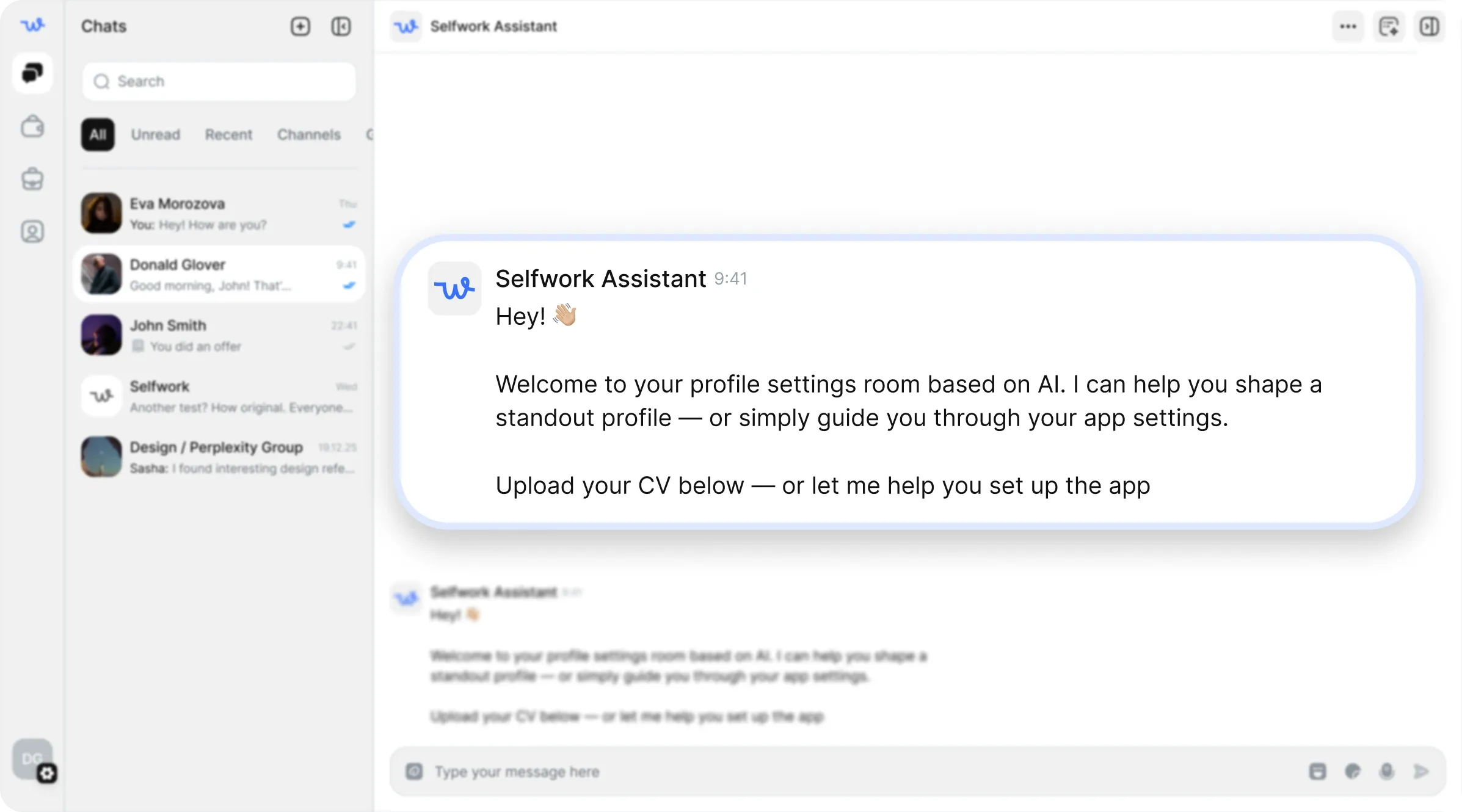
Four hiring steps on Selfwork
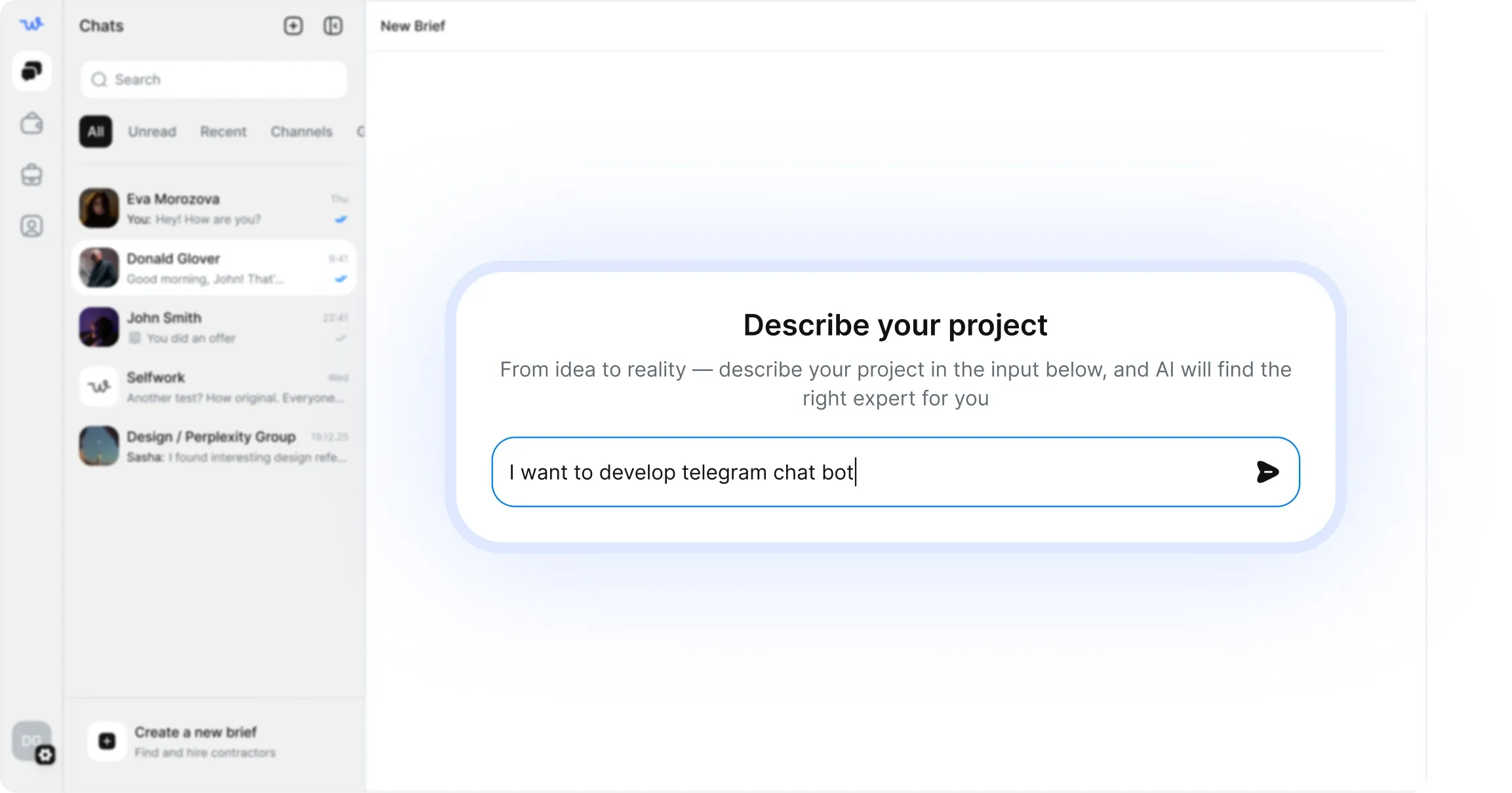
Write a brief with your outcomes
Describe the product, the current stack, the deadline, and the exact deliverables. Include screenshots, repo access rules, API docs, or links to staging if you have them.
Review matched Laravel freelancers
Look for experience with similar projects: SaaS, dashboards, integrations, migration work, or production maintenance. Check availability, communication style, and portfolio proof.
Interview the short list
Ask about their approach to debugging, testing, deployment, and code review. A strong remote Laravel freelancer can explain tradeoffs, estimate confidently, and identify hidden risks early.
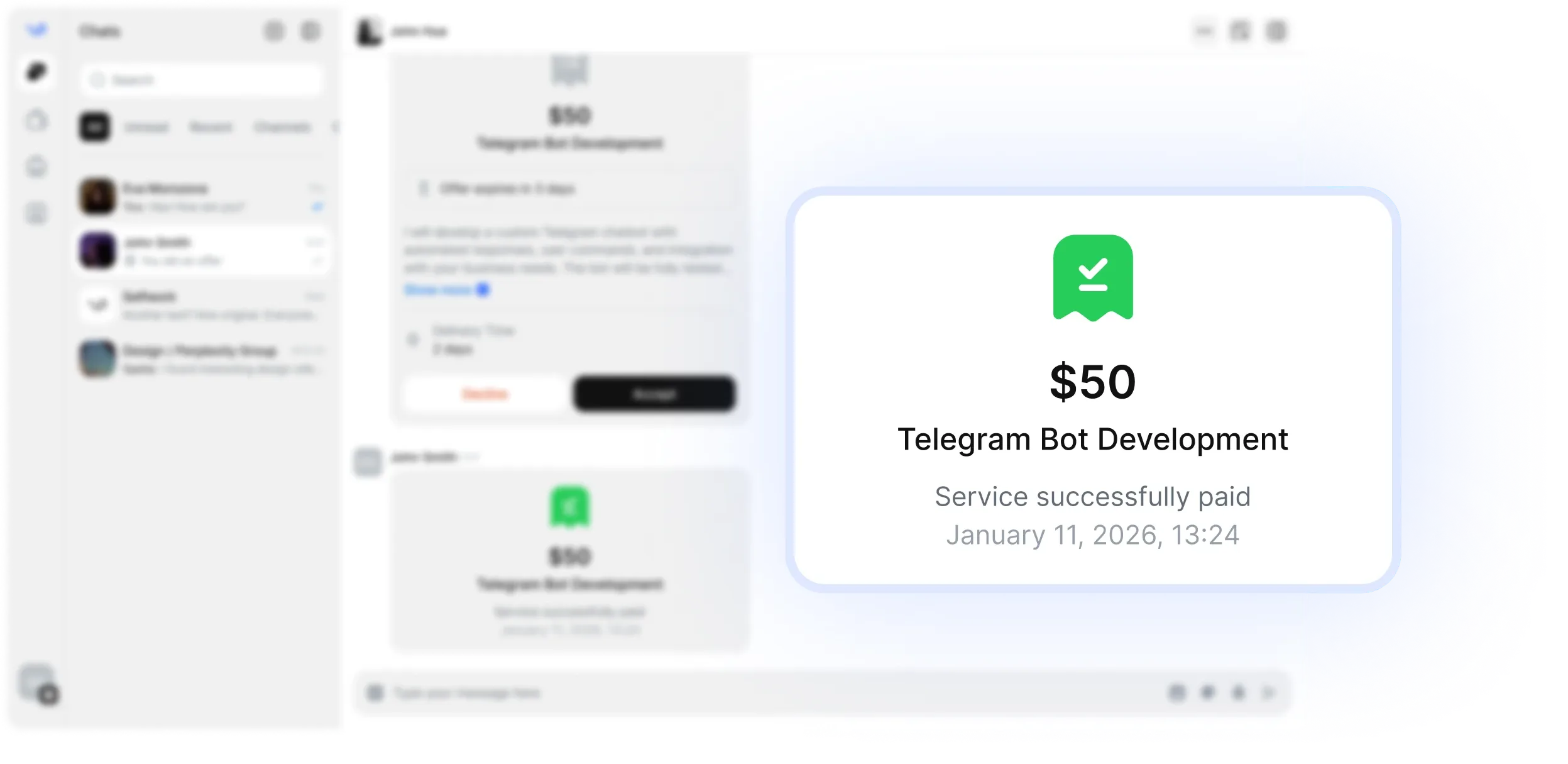
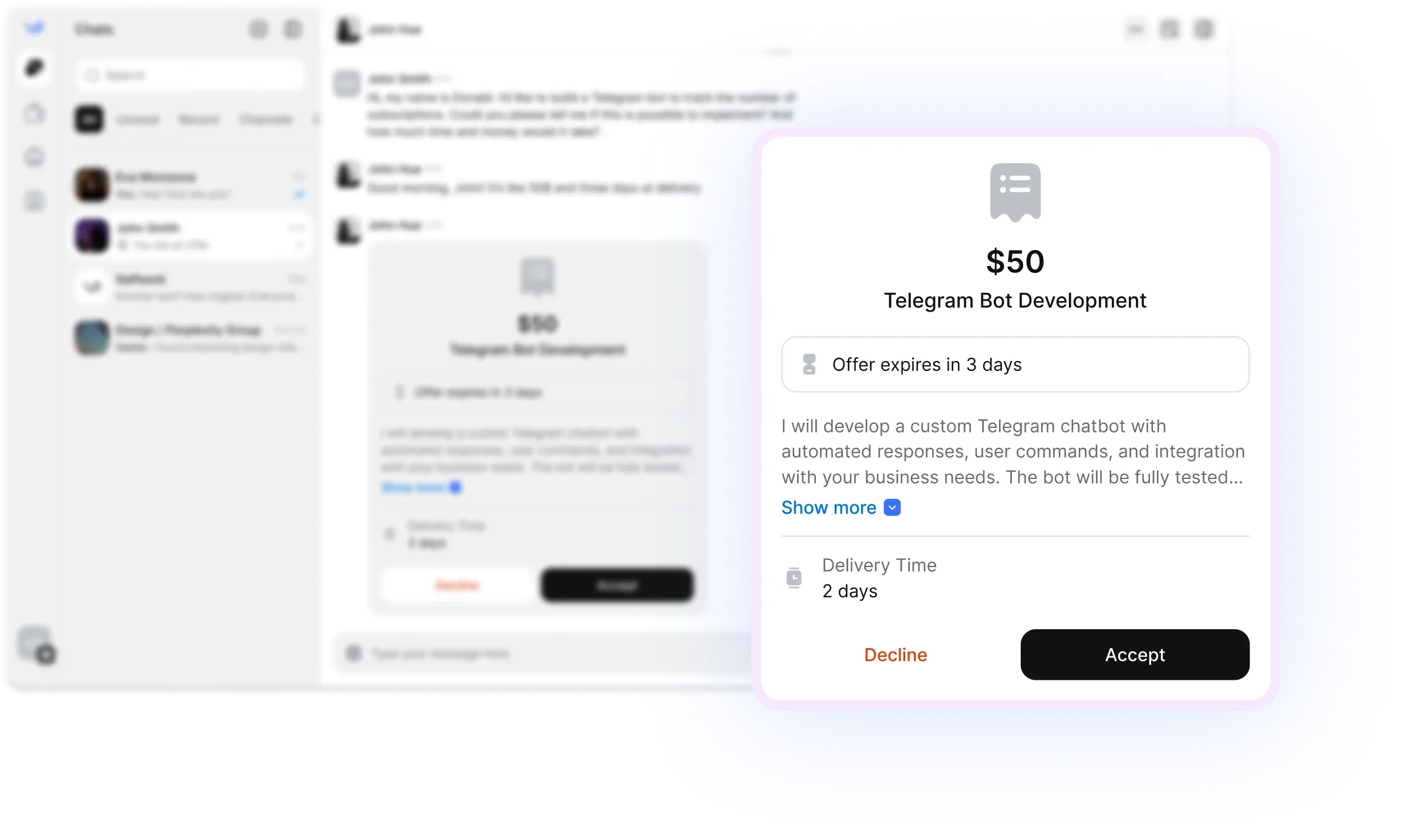
Start with escrow and milestones
Agree on deliverables, acceptance criteria, and deadlines before work begins. Use milestone-based payment for larger jobs so both sides stay aligned.
Common brief mistakes
Hiring gets much harder when the brief is vague. The most common mistakes are:
- Saying “build the backend” without listing the actual endpoints, user roles, and workflows
- Not specifying the Laravel version, PHP version, or database engine
- Forgetting to mention existing packages, queue workers, cron jobs, or background tasks
- Leaving out deployment details such as Docker, Forge, Vapor, AWS, or shared hosting
- Not defining acceptance criteria for performance, testing, or bug-free release
- Mixing unrelated requests into one scope without priorities
If you want to hire Laravel freelancers and get accurate proposals, include enough detail for estimates to be meaningful. The better the brief, the better the match.
Verification and escrow
Selfwork is designed to reduce hiring risk for teams that need dependable freelance Laravel support. Verification helps you filter for real experience, while escrow helps protect both sides once a job starts.
That matters especially for backend work, where mistakes can affect authentication, billing, data integrity, or uptime. With a verified remote Laravel freelancer, you can move faster with more confidence, and with escrow you can release payments only when milestone conditions are met.
For bigger builds, define the scope in phases: discovery, implementation, QA, deployment, and post-launch support. This gives the freelancer a clear path and gives you a safer way to evaluate progress before the entire project is complete.
FAQ
How do I hire Laravel freelancers for an existing codebase?
Share the repository structure, Laravel version, PHP version, deployment environment, and a list of known issues. The more context you provide, the easier it is to match with the right developer.
Can a freelance Laravel developer work on APIs and front end too?
Yes. Many Laravel freelancers handle backend APIs, Blade templates, Livewire components, Inertia setups, and third-party integrations. Be explicit if you need full-stack delivery.
What should I include in a Laravel brief?
Add business goals, user flows, technical constraints, authentication rules, data model notes, integrations, hosting details, and timeline. If possible, include staging links and screenshots.
Is it better to hire hourly or fixed price?
Use fixed price for well-defined tasks and hourly for uncertain debugging or research-heavy work. For larger builds, milestone-based pricing is often the most practical.
How do I know if a remote Laravel freelancer is a fit?
Look for relevant portfolio work, a clear estimation process, and strong communication. A good match should ask thoughtful questions before quoting and should understand testing, deployment, and maintainability.