Pricing for Java freelancers
Java pricing varies by scope, seniority, and system complexity. A simple bug fix or small API enhancement costs far less than a distributed microservices rebuild or enterprise migration. Use the table below as a practical starting point when you hire Java freelancers on Selfwork.
| Engagement type |
Typical brief |
Typical rate range |
| Bug fixing and small enhancements |
Patch a controller, fix a failing test, resolve a dependency issue |
$30–$70/hr |
| API and backend feature work |
Add Spring Boot endpoints, business logic, validation, integrations |
$50–$100/hr |
| Mid-sized product builds |
New services, data models, auth flows, Docker setup |
$70–$130/hr |
| Senior architecture and legacy refactors |
Performance tuning, modularization, migration planning, scaling |
$100–$180/hr |
| Ongoing maintainers |
Continuous support, releases, monitoring, incident response |
Retainer or sprint-based pricing |
What changes the price most:
- Complexity of the codebase and build system
- Whether the freelancer needs to work with legacy Java or modern Spring Boot
- Database and infrastructure requirements
- Security, compliance, or high-availability expectations
- Speed of delivery and timezone overlap
Formats and use-cases
You can hire freelance Java developers in several formats depending on the project.
1. Hourly support
Best for bug fixing, code review, technical debt cleanup, and uncertain scopes. This is the easiest option when you want a remote Java freelancer to jump into an existing repository.
2. Fixed-scope delivery
Best for clearly defined tasks such as building a REST API, creating a Spring Boot service, adding a payment integration, or migrating a module from one framework version to another.
3. Sprint-based collaboration
Best for product teams that want reliable weekly output. A Java freelancer can work alongside your engineers on tickets, reviews, deployments, and feature delivery.
4. Ongoing maintenance
Best for SaaS products, internal systems, and enterprise applications that need continuous improvements. This often includes monitoring, patching, dependency updates, and release support.
Common use-cases for Java freelancers:
- Spring Boot backend development
- REST API and GraphQL service layers
- Microservices and message-driven systems
- Hibernate/JPA data layer work
- Authentication, authorization, and session management
- Payment processing and third-party integrations
- Docker and Kubernetes packaging
- AWS deployments and cloud troubleshooting
- Legacy Java modernization
- Performance optimization and profiling
Four hiring steps on Selfwork
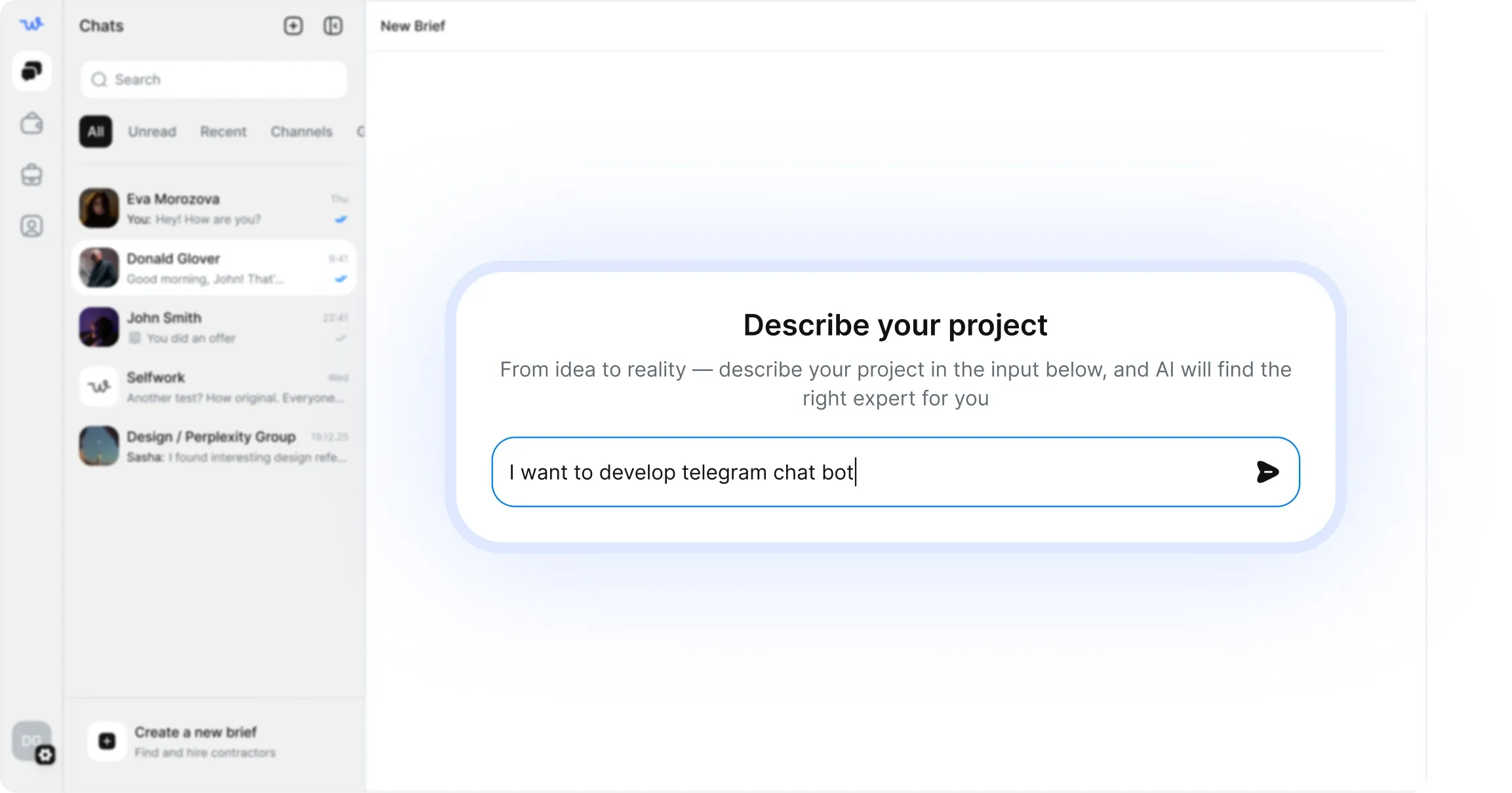
Post a precise brief
Describe your Java stack, the repository state, the expected deliverables, and the deadline. Mention framework versions, database, cloud provider, and any existing CI/CD process.
Review matched freelancers
Compare Java freelancers by profile, previous work, stack fit, and client feedback. Look for direct experience with similar systems, not just general Java knowledge.
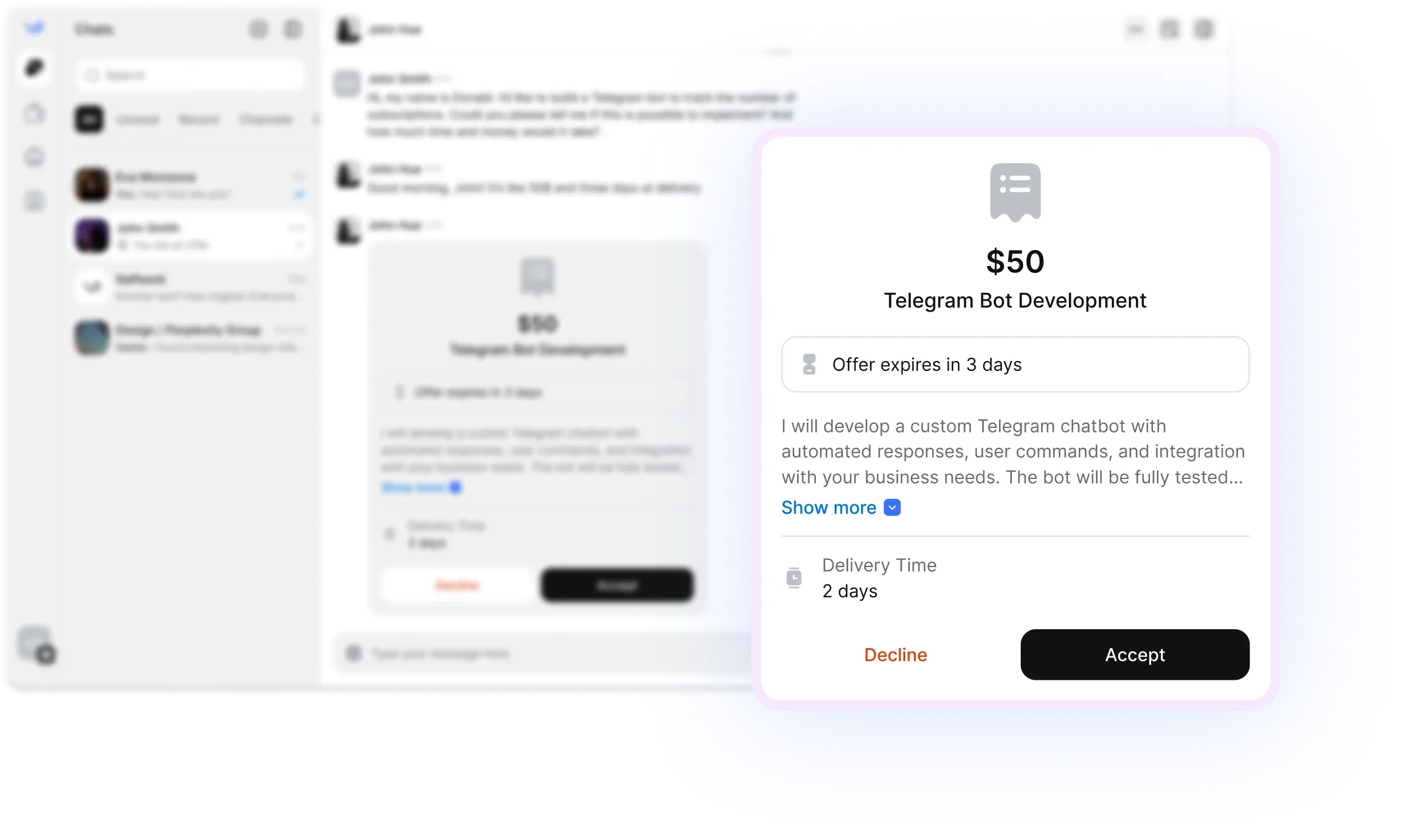
Shortlist and confirm scope
Ask about architecture choices, risk areas, and delivery plan. Good freelance Java developers should be able to explain tradeoffs clearly and estimate the work realistically.
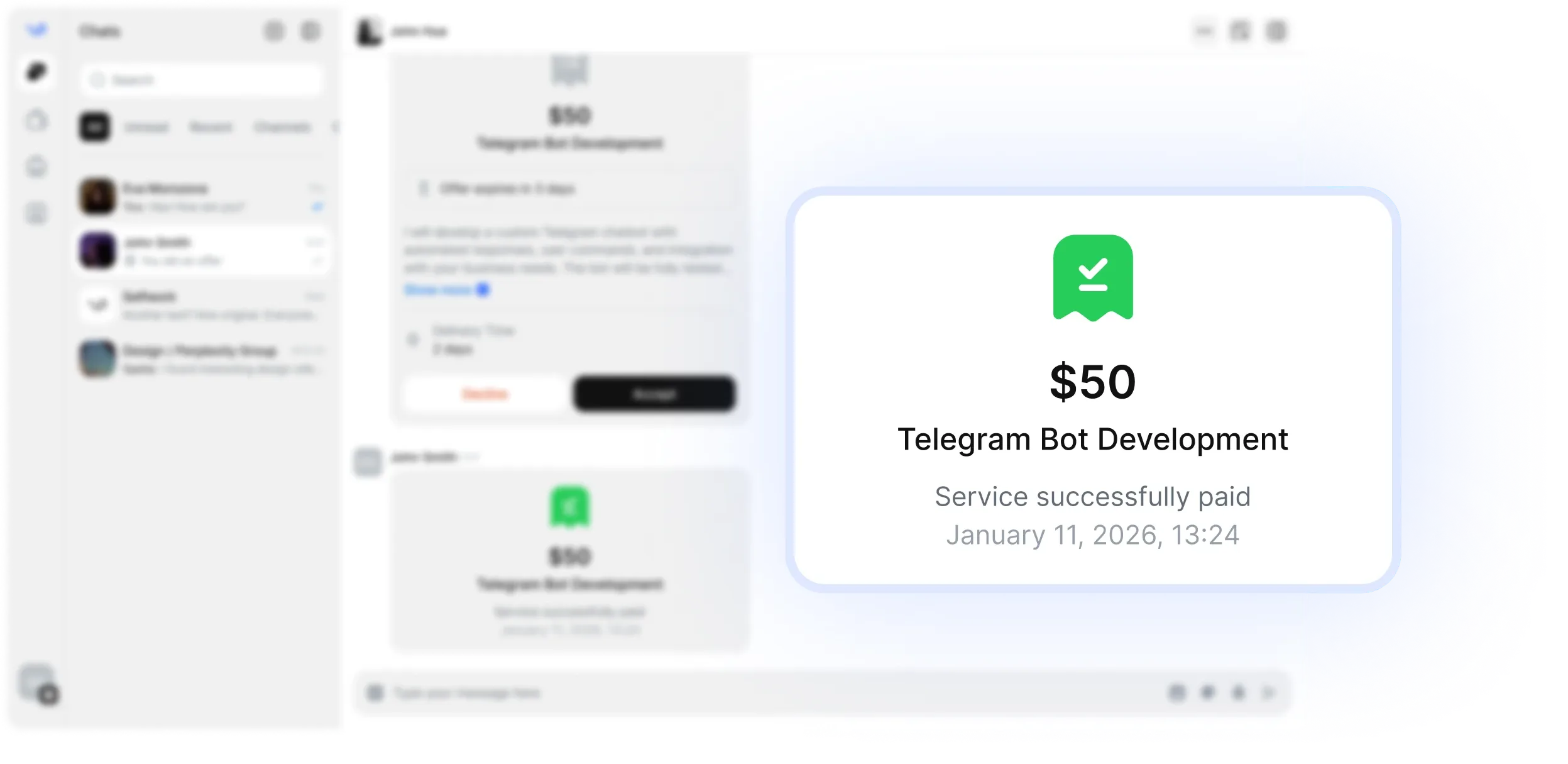
Fund escrow and start work
Once you choose a freelancer, lock the milestone in escrow and begin. That keeps both sides aligned on deliverables, review points, and payment release.
Common brief mistakes to avoid
The most common reason Java projects stall is an underspecified brief. Avoid these mistakes:
- Saying “fix the backend” without naming the modules, errors, or acceptance criteria
- Not listing Java version, Spring Boot version, or key dependencies
- Leaving out database details such as PostgreSQL, MySQL, Oracle, or MongoDB
- Forgetting to mention deployment targets like Docker, Kubernetes, AWS, or on-prem servers
- Not defining whether the task is greenfield development, maintenance, or migration
- Hiding performance, security, or compliance requirements until after the freelancer starts
- Asking for a fixed price without enough detail to estimate the scope
A strong brief helps remote Java freelancers quote accurately and start faster.
Verification and escrow
Selfwork is designed to make it safer to hire Java freelancers online.
- Verified profiles help you review a freelancer’s experience before you commit
- Work samples and project history show whether they have shipped systems like yours
- Escrow-backed milestones keep payment tied to completed deliverables
- Brief-led matching reduces mismatch by focusing on stack fit and actual project needs
- Direct communication lets you confirm architecture, delivery timing, and dependencies before work begins
For code-heavy work, this matters. Java projects often involve existing infrastructure, shared repositories, and multiple services. Escrow and verification give you a cleaner way to hire freelance Java developers without taking unnecessary risk.
FAQ
How do I hire Java freelancers for a Spring Boot project?
Write a brief with your endpoints, data model, authentication requirements, database, and deployment target. Then compare freelancers who have recent Spring Boot, REST API, and production support experience.
Can I hire remote Java freelancers for legacy application work?
Yes. Many freelancers specialize in legacy Java maintenance, dependency upgrades, Hibernate fixes, and performance tuning. This is often a better fit than hiring a generalist backend developer.
What should I include in a Java freelancer brief?
Include Java version, framework version, repo access needs, expected tasks, environment details, deadlines, and any nonfunctional requirements such as scalability, security, or uptime.
Do Java freelancers handle deployment too?
Many do. Look for experience with Docker, Kubernetes, AWS, CI/CD pipelines, and cloud debugging if you need end-to-end delivery.
Is it better to hire a Java freelancer or a full-time developer?
Choose a freelancer when you need speed, specialized backend expertise, or flexible support for a defined project. Full-time hiring is better when the workload is continuous and the role is long-term.
If you want to hire Java freelancers with less guesswork, start with a focused brief, review relevant production experience, and use escrow to keep delivery clean and accountable.