Pricing for iOS development
iOS development pricing depends on the scope, seniority, app complexity, and whether you need a build from zero or support for an existing codebase. A simple feature implementation costs much less than a full product build with architecture, design handoff, analytics, payments, and App Store release management.
| Engagement type |
Typical scope |
Common pricing model |
Best for |
| Bug fix sprint |
Crash fixes, UI bugs, small regressions, minor API issues |
Fixed price or hourly |
Existing apps that need fast stabilization |
| Feature build |
Login, onboarding, profile screens, push notifications, subscriptions |
Fixed price, milestone-based |
Product teams shipping specific features |
| MVP app build |
New app architecture, core screens, backend integration, release setup |
Milestone-based |
Startups validating an idea quickly |
| Legacy modernization |
Objective-C cleanup, Swift migration, dependency updates, test improvements |
Hourly or milestone-based |
Older apps that need maintainability |
| App Store release support |
TestFlight setup, metadata prep, submission fixes, rejection resolution |
Hourly or fixed price |
Teams close to launch or relaunch |
For hiring planning, it helps to separate product complexity from execution time. A freelance iOS development specialist may quote a lower hourly rate for straightforward UI work, while more advanced architecture, security-sensitive work, or deep native integrations usually command higher pricing. If your project touches payments, health data, geolocation, Bluetooth, offline sync, or custom media handling, expect the brief to require more discovery before a final estimate.
Formats and use cases
You can hire iOS development in a few common formats depending on how much uncertainty you have.
- Fixed-scope project: Best when deliverables are clear, like a feature set, a prototype, or a release checklist.
- Hourly support: Ideal for bug fixes, maintenance, legacy code cleanup, or exploratory work where the exact effort is not known.
- Milestone-based delivery: Useful for MVPs, app rebuilds, and larger app features that should be delivered in phases.
- Ongoing part-time engagement: Good for product teams that need a remote iOS development specialist available each week for roadmap execution.
- Team extension: Choose this when you already have designers, backend engineers, or a CTO and need a freelance iOS development expert to plug into the workflow.
Common use cases include consumer apps, marketplace apps, internal enterprise tools, subscription apps, social features, fitness tracking, location-based products, content apps, and companion apps for hardware or web platforms. Freelance iOS development is also a strong option for app rescue work: unstable releases, poor performance, broken API integrations, or a product that was started by another team and needs a clean handoff.
Four hiring steps on Selfwork
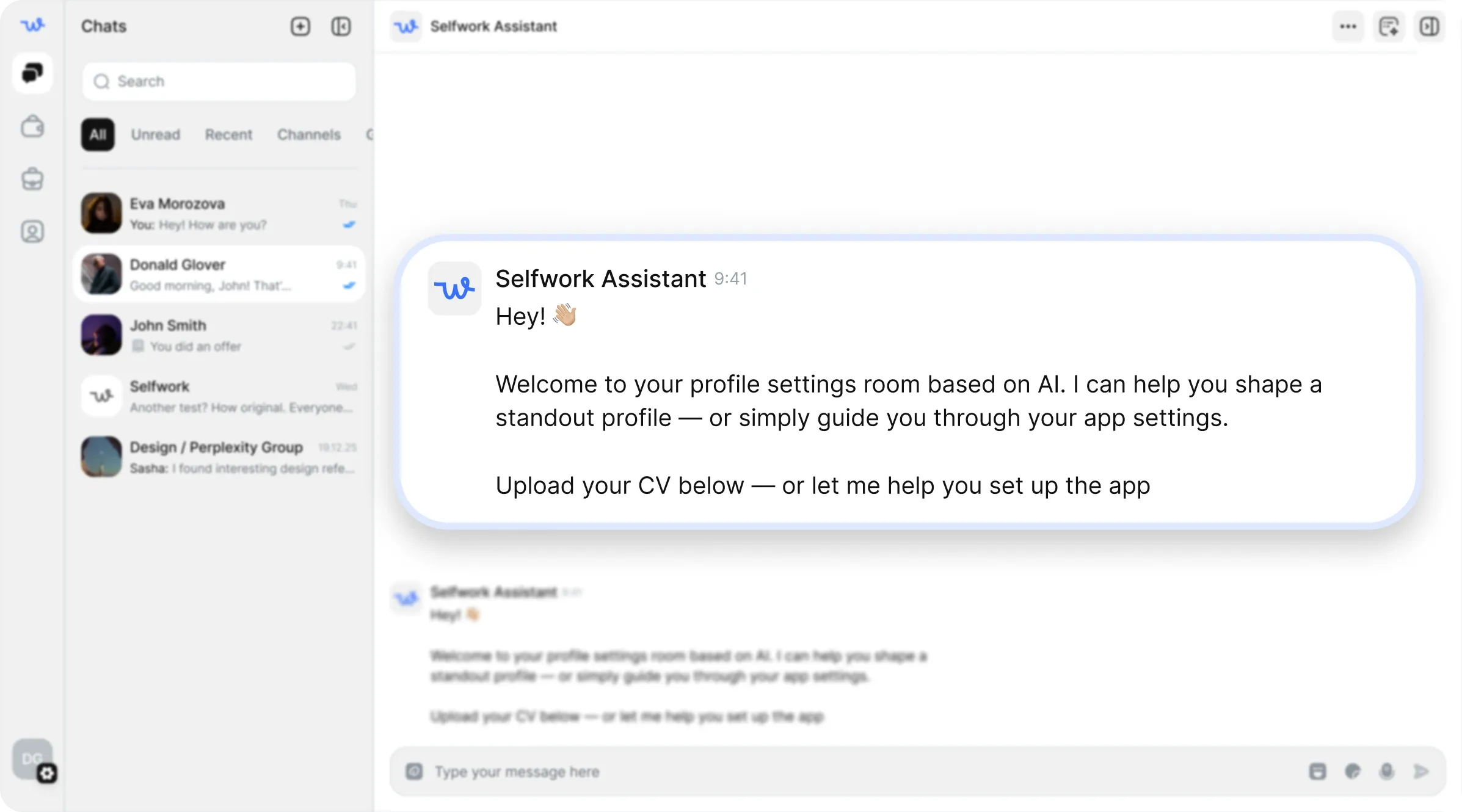
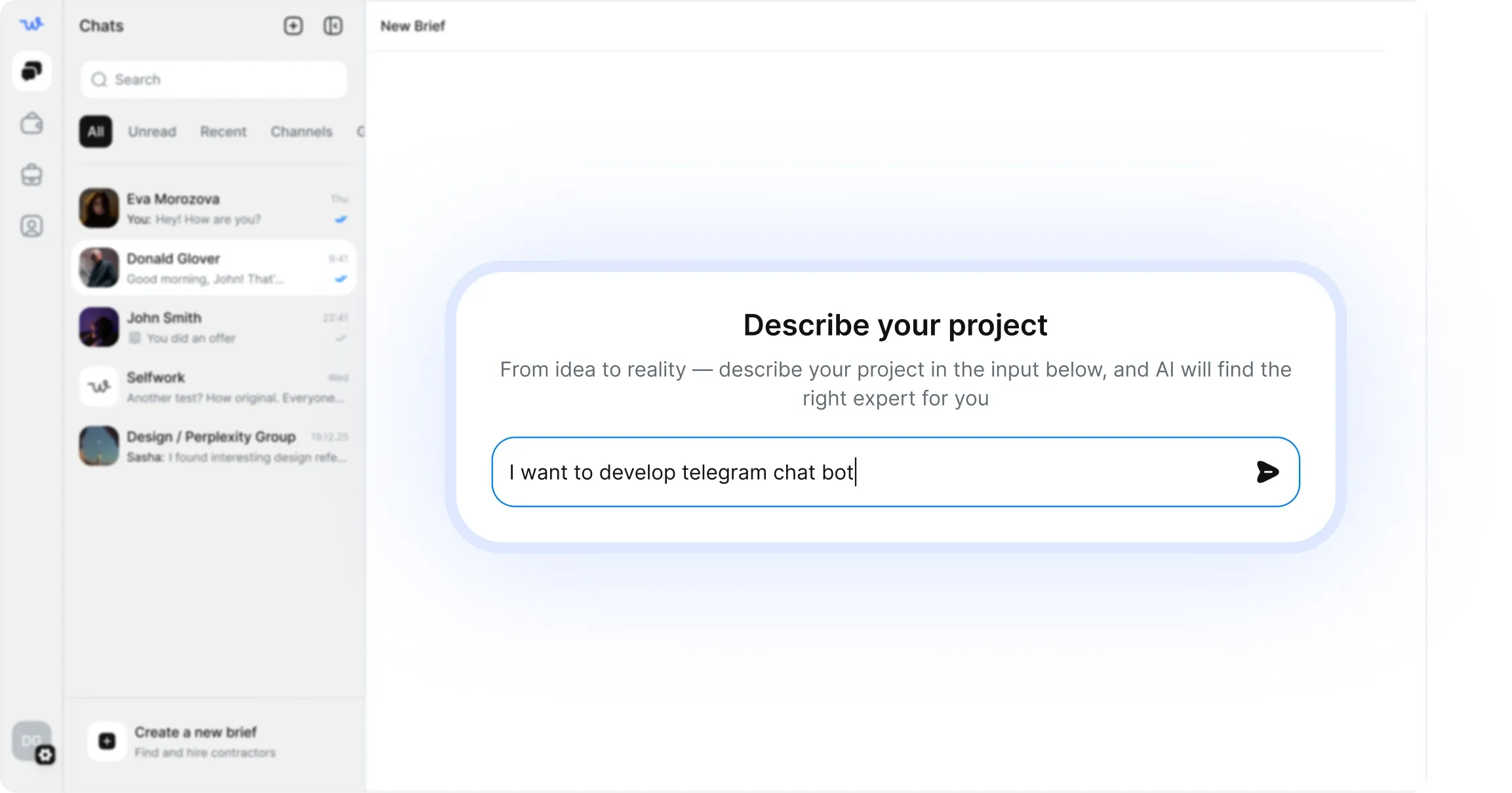
Post a detailed brief
Describe the app, target devices, design stage, technical stack, release timeline, and the specific outcome you need.
Review matched specialists
Compare freelance iOS development profiles by experience, portfolio relevance, responsiveness, and proof of shipping similar apps.
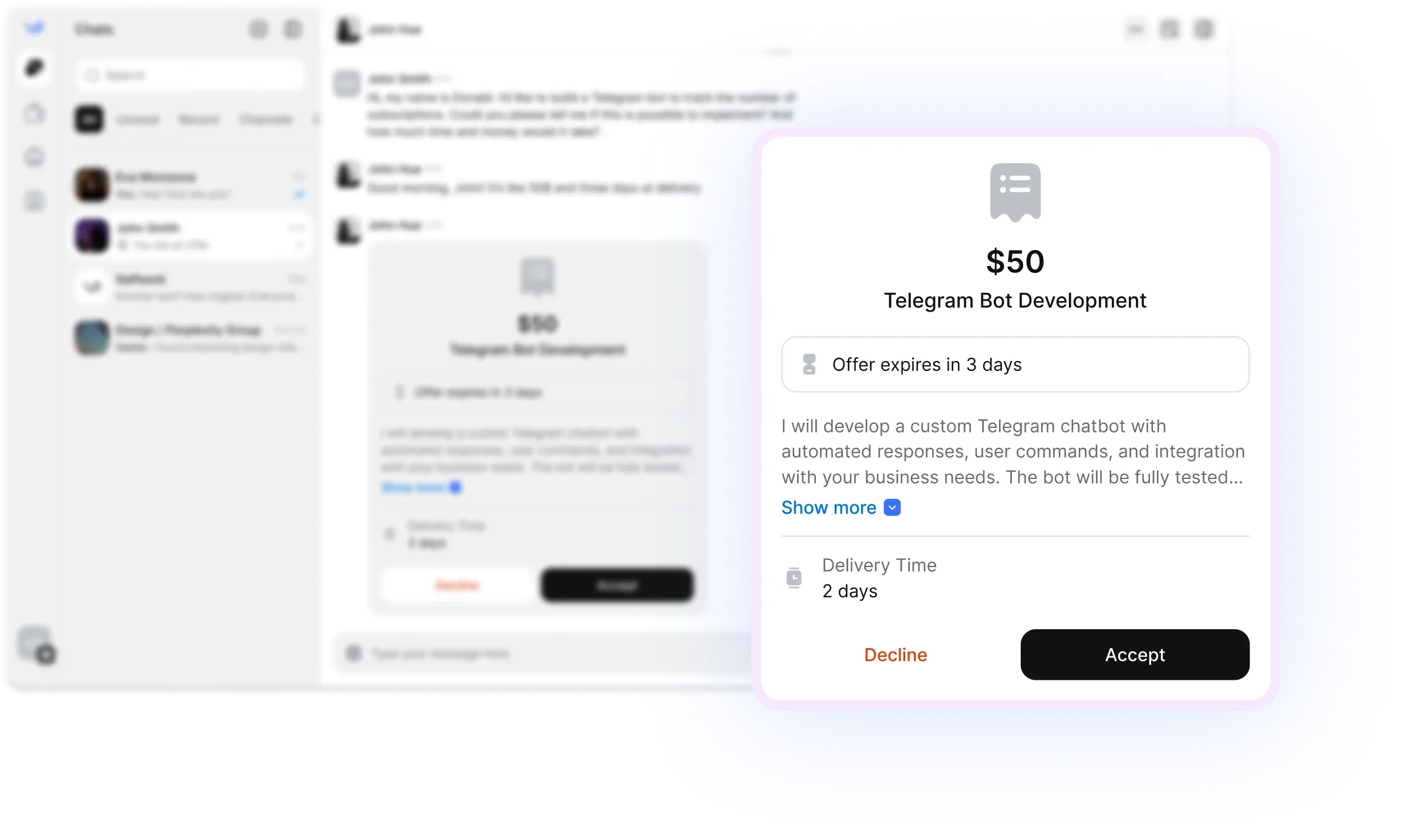
Agree on scope and milestones
Confirm deliverables, timelines, dependencies, and acceptance criteria before work starts.
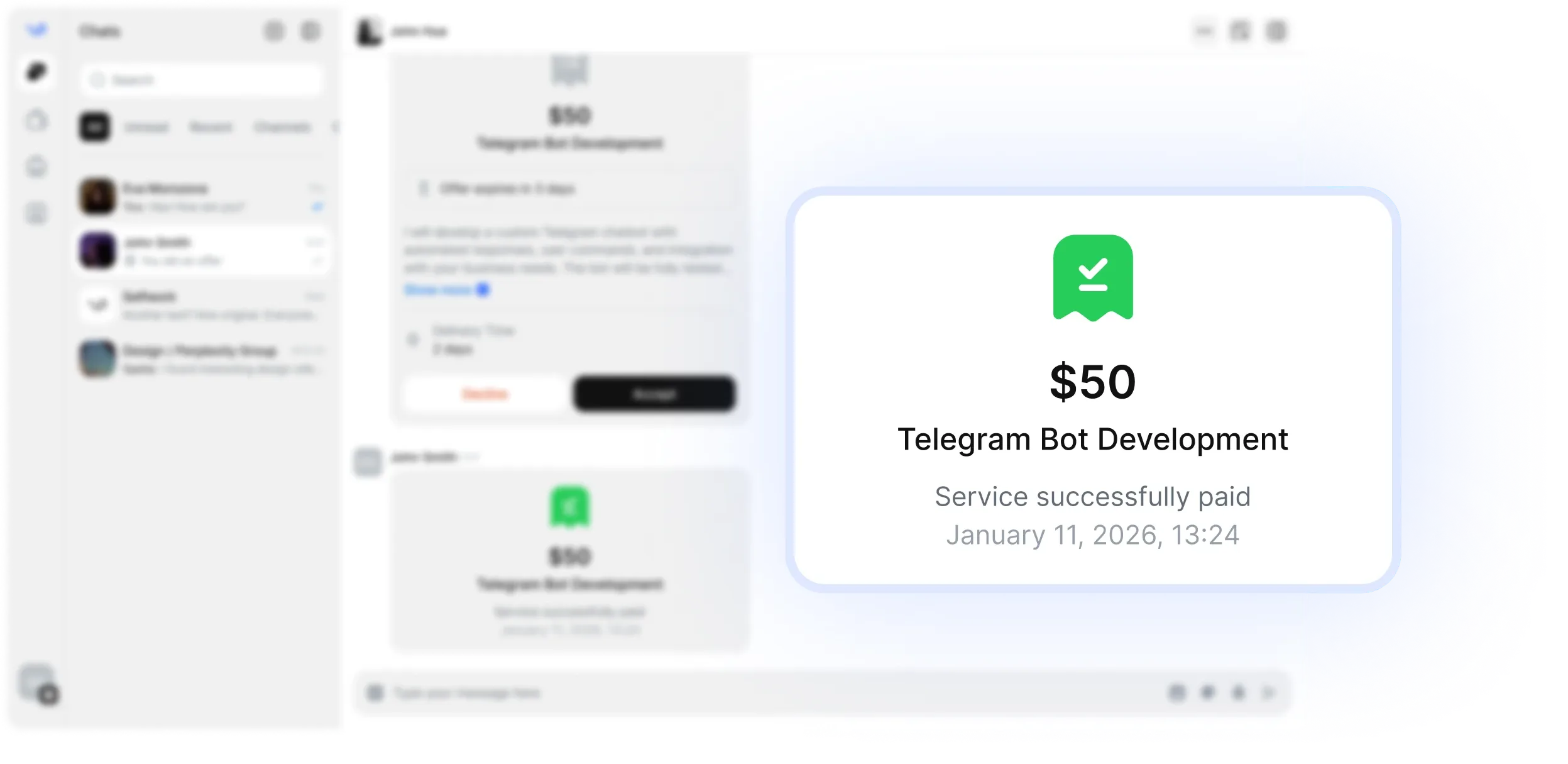
Fund securely and launch work
Use escrow-backed payments so both sides can move forward with clarity and protection.
Common brief mistakes to avoid
Many iOS projects slow down because the brief is too vague. Avoid these mistakes when you hire iOS development talent:
- No device or OS target: iPhone only, iPad support, and minimum iOS version all affect effort.
- Missing design files: A developer cannot estimate accurately without knowing whether Figma, sketches, or existing screens are available.
- Undefined backend ownership: Clarify who handles APIs, auth, databases, and admin tools.
- Unclear release expectations: App Store submission, metadata, review fixes, and TestFlight testing should be named in advance.
- No scope boundaries: List what is in and out, especially for integrations, animations, analytics, and monetization.
- Ignoring legacy constraints: If the app uses Objective-C, old dependencies, or unmaintained libraries, say so early.
A good brief helps a remote iOS development specialist give a realistic estimate and avoid surprise work later.
Verification and escrow
Selfwork is designed to reduce the risk of hiring the wrong freelancer. Profiles are used to surface experience, specialization, and platform fit so you can compare iOS development candidates with more confidence. Escrow adds a second layer of protection: funds are held securely while work progresses, and releases are tied to agreed milestones.
That matters especially for mobile work, where scope can shift once testing begins. A verified freelance iOS development specialist can help you catch performance issues, dependency conflicts, and release blockers before they become launch delays. If you are hiring for a remote iOS development role, verification and escrow make it easier to start with a clear agreement and a safer payment process.
FAQ
How do I hire iOS development talent for a new app?
Start with your product goal, core features, target users, and design stage. If you have wireframes or a prototype, include them. Then shortlist specialists with Swift and SwiftUI experience, plus any backend or App Store launch experience your project needs.
Can I hire iOS development help for an existing Objective-C app?
Yes. Many freelance iOS development specialists work on legacy codebases, including Objective-C maintenance, bug fixing, and staged migration to Swift.
What should I include in an iOS development brief?
Include device targets, minimum iOS version, feature list, API dependencies, design files, release timeline, and whether you need App Store submission support or only development work.
Do iOS development freelancers handle App Store submissions?
Many do. If App Store release support is important, mention it in the brief so you can match with a specialist who has submission, review, and rejection-resolution experience.
Is remote iOS development suitable for complex products?
Yes, as long as the brief is clear and the specialist has the right experience. Remote iOS development works well for MVPs, feature work, app maintenance, and release support, especially when communication and milestones are well defined.