Pricing for illustrators
Illustration pricing depends on style complexity, usage rights, turnaround time, and whether you need one-off artwork or a broader visual system. A simple social illustration can cost far less than a fully rendered cover, a multi-scene editorial piece, or a brand mascot with usage across packaging, ads, and web.
| Project type |
Typical pricing range |
Best fit |
| Simple social illustration |
$80–$300 |
Posts, stories, lightweight campaign assets |
| Concept sketch or thumbnail set |
$100–$400 |
Early-stage ideation, art direction, mood exploration |
| Editorial illustration |
$250–$1,500 |
Magazine features, articles, opinion pieces |
| Book cover illustration |
$400–$3,000+ |
Fiction, nonfiction, self-publishing, special editions |
| Character or mascot design |
$300–$2,500+ |
Brands, games, mascots, campaigns |
| Packaging illustration |
$500–$4,000+ |
CPG, specialty goods, limited releases |
| Infographic illustration |
$200–$1,200+ |
Reports, explainers, presentations |
Most clients hire illustrators with a fixed project budget plus a clear revision count. For recurring work, some remote illustrators also offer day rates or monthly retainers. If your project includes extended licensing, exclusive rights, or commercial advertising usage, expect the price to increase accordingly.
Formats and use cases
Illustrators on Selfwork can support a wide range of formats and deliverables:
- Editorial art for magazines, blogs, newsletters, and thought-leadership content
- Character illustration for mascots, avatars, and narrative-driven brand assets
- Children’s book illustration with page-by-page storytelling and consistency
- Book covers for fiction, nonfiction, and series branding
- Packaging illustration for premium labels, product launches, and shelf differentiation
- Icon sets and spot illustrations for apps, dashboards, and websites
- Infographics and data visuals for reports and presentations
- Campaign artwork for ads, landing pages, and paid social
- Concept art and mood boards for creative direction and pre-production
- Print-ready artwork for posters, merchandise, and promotional materials
Tool choice often depends on the style you want. Many freelance illustrators work in Procreate for expressive sketching, Photoshop for textured painting, Illustrator for vector precision, and Fresco for hybrid workflows. The best hire is the person whose visual language fits the brief and whose delivery format matches how you will use the art.
Four hiring steps on Selfwork
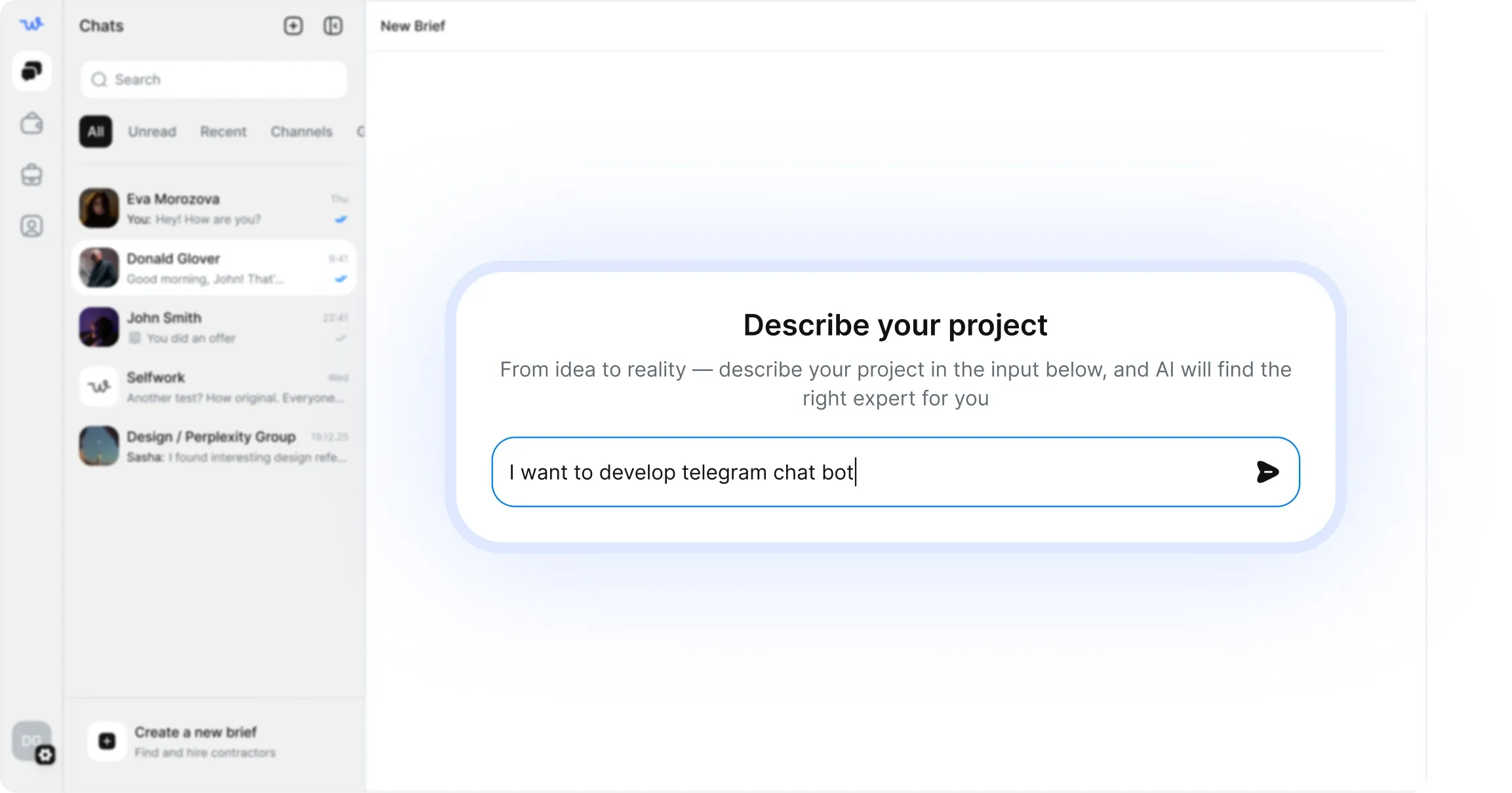
- Post your brief — describe the project, audience, style references, size, format, deadline, and usage rights.
- Review matched illustrators — compare portfolios, response style, rates, and specialization fit.
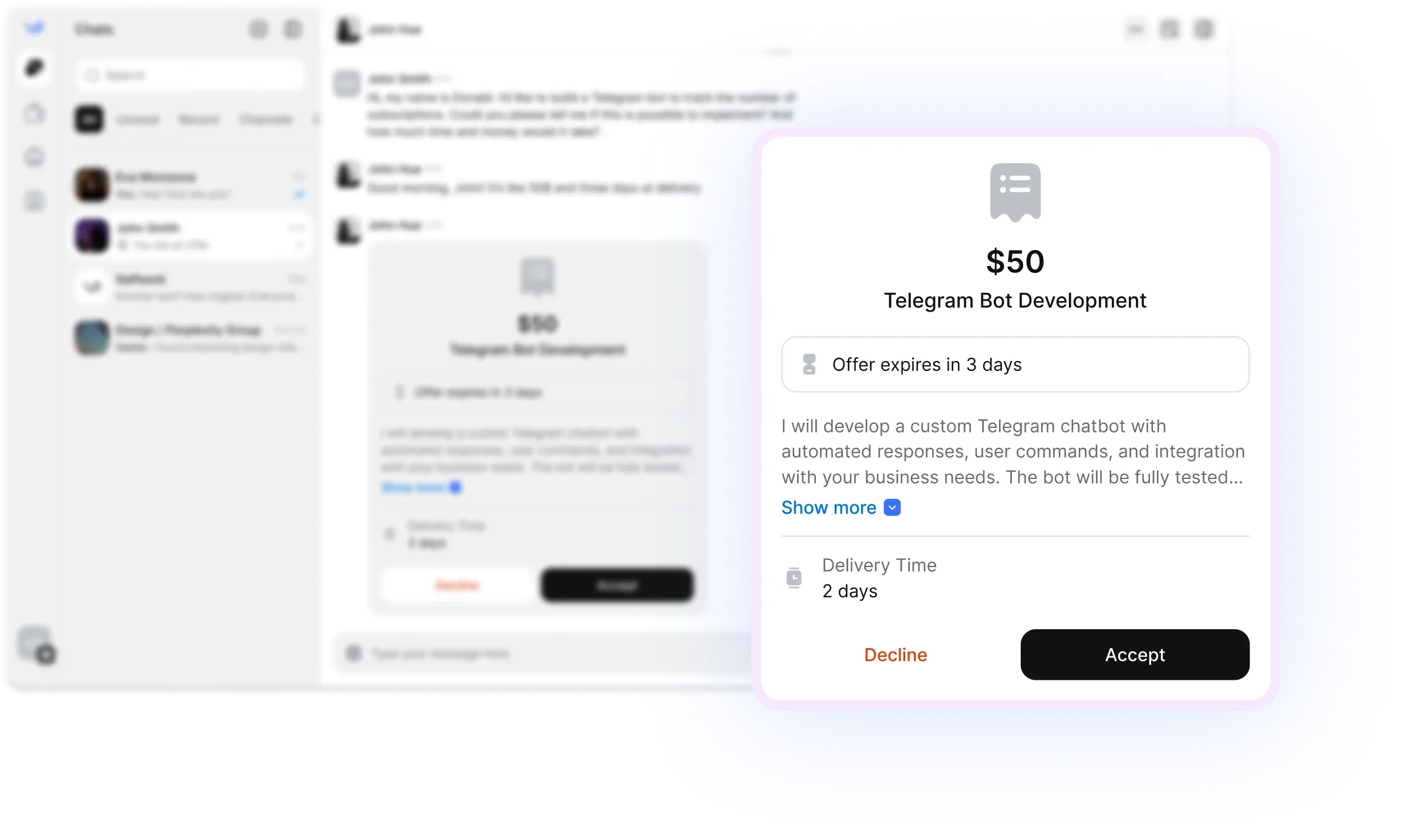
- Agree on scope and milestones — define concepts, revisions, file delivery, and approval checkpoints.
- Pay securely and collaborate — use escrow-backed payment, track progress, and release funds when the work is approved.
This process helps you hire illustrators without guesswork. Instead of relying on cold outreach and scattered DMs, you get a structured workflow that keeps the project moving.
Common brief mistakes to avoid
A strong brief saves time and protects quality. The most common mistakes are:
- No reference images or style anchors — “make it pop” is not enough to guide a freelance illustrator.
- Unclear usage rights — print, web, paid ads, packaging, and resale all affect pricing.
- Missing technical specs — size, bleed, color mode, and file type matter for production.
- Too many open-ended revisions — unlimited changes slow delivery and dilute the final artwork.
- Vague audience definition — a children’s book, fintech explainer, and luxury brand illustration should not look the same.
- No deadline priority — rush work changes availability and cost.
When you hire illustrators, the brief should include the story, the tone, the must-have visual elements, and what success looks like. If you expect multiple concepts, spell that out upfront so the illustrator can quote properly.
Verification and escrow
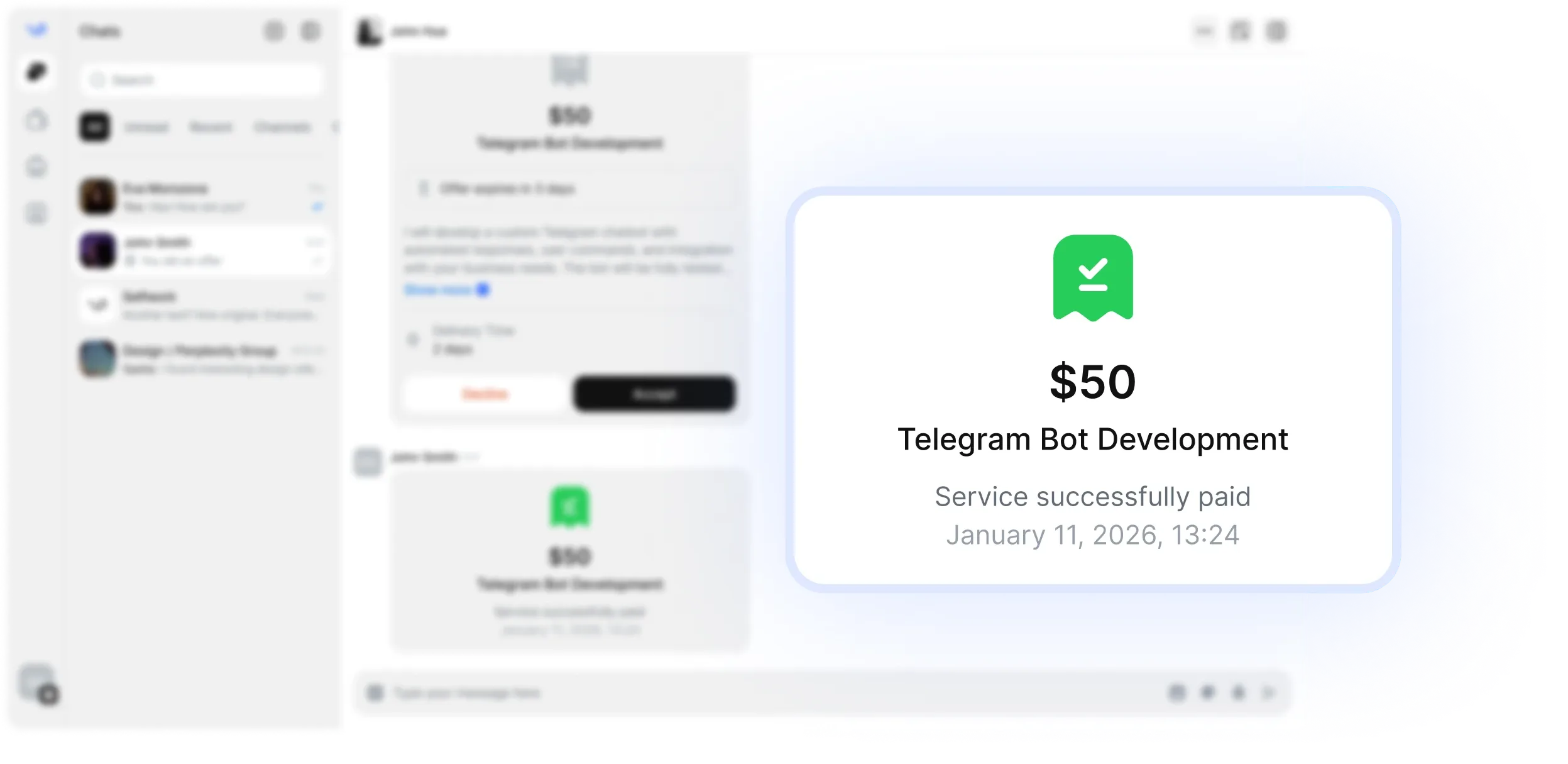
Selfwork is designed to make remote illustrator hiring safer and more predictable. Verified specialist profiles help you assess portfolio quality before you start. Escrow protects both sides by keeping payment secure while the work is in progress, so you can review drafts and approve milestones before funds are released.
That means you can hire freelance illustrators with more confidence, especially for brand-critical work where revisions, ownership, and delivery timing matter. Combined with brief-led matching, verification and escrow reduce the risk of mismatched style, unclear payment terms, and incomplete handoffs.
FAQ
How do I hire illustrators for a very specific style?
Share 3–5 visual references, explain what you like about each one, and mention the medium, color palette, line quality, and level of realism you want.
Can freelance illustrators work with my brand guidelines?
Yes. Most remote illustrators can adapt to existing brand systems, including color palettes, typography context, illustration rules, and usage constraints.
What files should I request from an illustrator?
Ask for the formats you need for production, such as PSD, AI, PNG, SVG, or print-ready PDF, plus source files if ownership is included.
How many revisions should I include?
Two to three revision rounds are common for illustration projects, but the right number depends on complexity and how finalized the brief is.
Is it better to hire one illustrator or a team?
For consistency, one strong illustrator is often best. For large campaigns, packaging systems, or ongoing content, you may want a lead illustrator plus additional support for production assets.