Pricing for ghostwriters
Ghostwriting pricing depends on complexity, research depth, turnaround, and how closely the writer must match an existing voice. A short LinkedIn post is priced very differently from a book chapter, business book outline, or full memoir project. Below is a practical starting point for common ghostwriting engagements.
| Ghostwriting service |
Typical scope |
Common pricing model |
Typical range |
| LinkedIn ghostwriting |
Posts, carousels, repurposed thought leadership |
Per post or monthly retainer |
$80–$400 per post |
| Blog ghostwriting |
SEO blogs, editorial articles, listicles |
Per article |
$150–$900 per article |
| Newsletter ghostwriting |
Weekly or monthly email content |
Retainer |
$300–$2,500 per month |
| Speech ghostwriting |
Keynotes, conference talks, executive remarks |
Per speech |
$250–$2,000 per speech |
| Book ghostwriting |
Memoirs, business books, nonfiction chapters |
Milestone or project fee |
$5,000–$50,000+ per project |
| White paper / case study writing |
Research-heavy B2B assets |
Per asset |
$300–$3,000+ per piece |
The final rate usually rises when the brief includes interviews, deep research, multiple revision rounds, technical subject matter, or a strict matching requirement for brand voice. If you need a remote ghostwriter for ongoing work, a retainer often gives you better consistency and faster turnaround.
Formats and use cases
Ghostwriters are useful wherever the ideas are strong but the time, structure, or writing bandwidth is limited.
Common formats include:
- Business books and memoirs
- LinkedIn posts and founder content
- Blog articles and SEO pages
- Newsletters and nurture emails
- Speeches and conference keynotes
- Investor updates and executive communications
- Case studies and customer stories
- White papers and long-form B2B assets
- Website copy and thought leadership essays
Use cases vary by client type:
- Founders hire ghostwriters to scale personal brand content without sounding generic.
- Executives hire ghostwriters to turn notes and interviews into sharp leadership writing.
- Authors hire ghostwriters to build a book from interviews, outlines, and source material.
- Agencies hire ghostwriters to expand output for clients under tight deadlines.
- Brands hire ghostwriters to maintain a consistent content calendar across channels.
If your project depends on a specific tone, ask for samples in a similar voice or sector. If your project is sensitive, choose a ghostwriter experienced in confidentiality, attribution rules, and interview-based workflows.
Four hiring steps on Selfwork
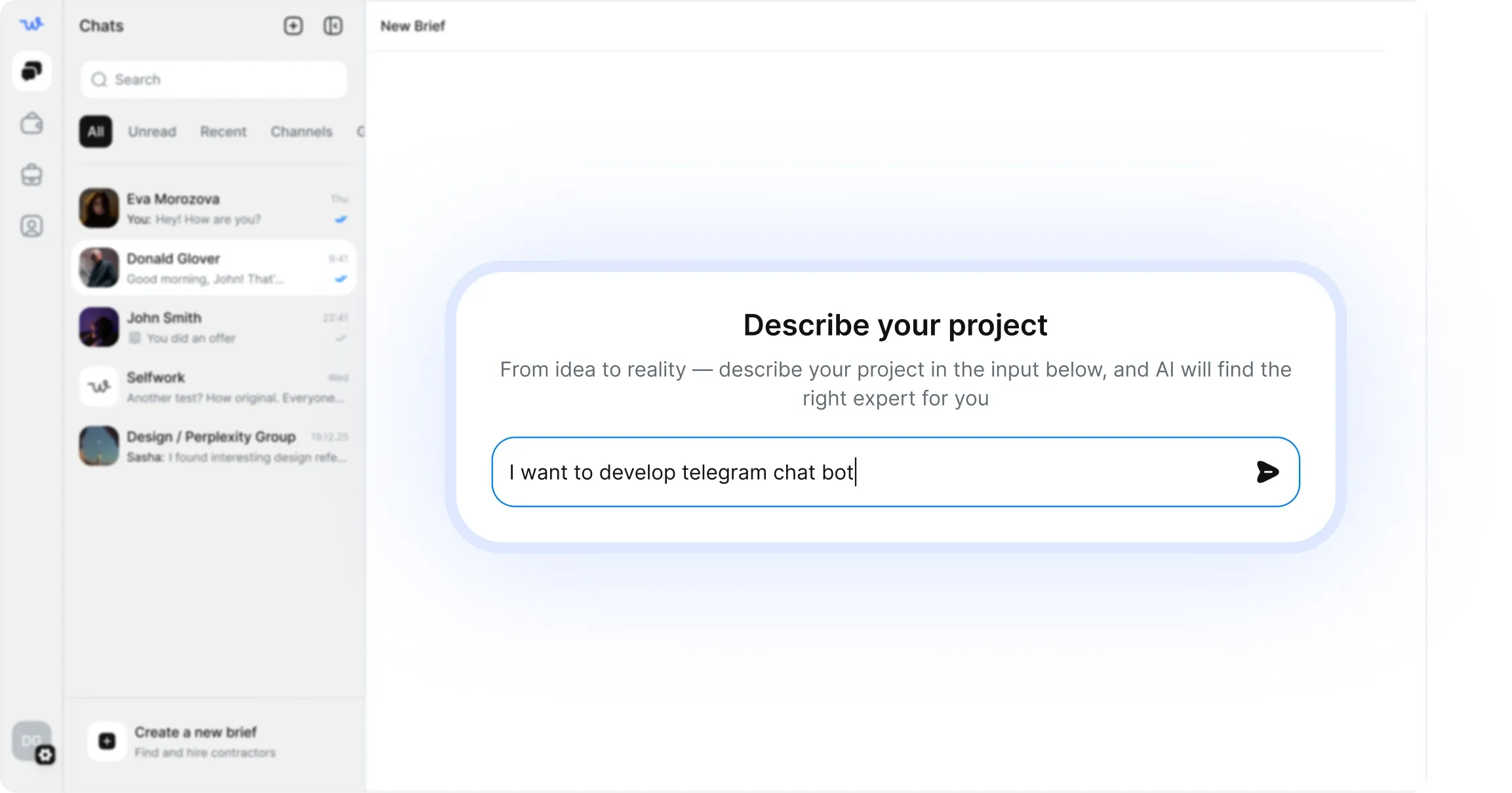
- Define the brief — Share your topic, audience, format, target length, tone, examples, deadlines, and must-have outcomes. The more specific the brief, the better the match.
- Review vetted profiles — Compare freelance ghostwriters by writing samples, subject expertise, style range, client feedback, and availability.
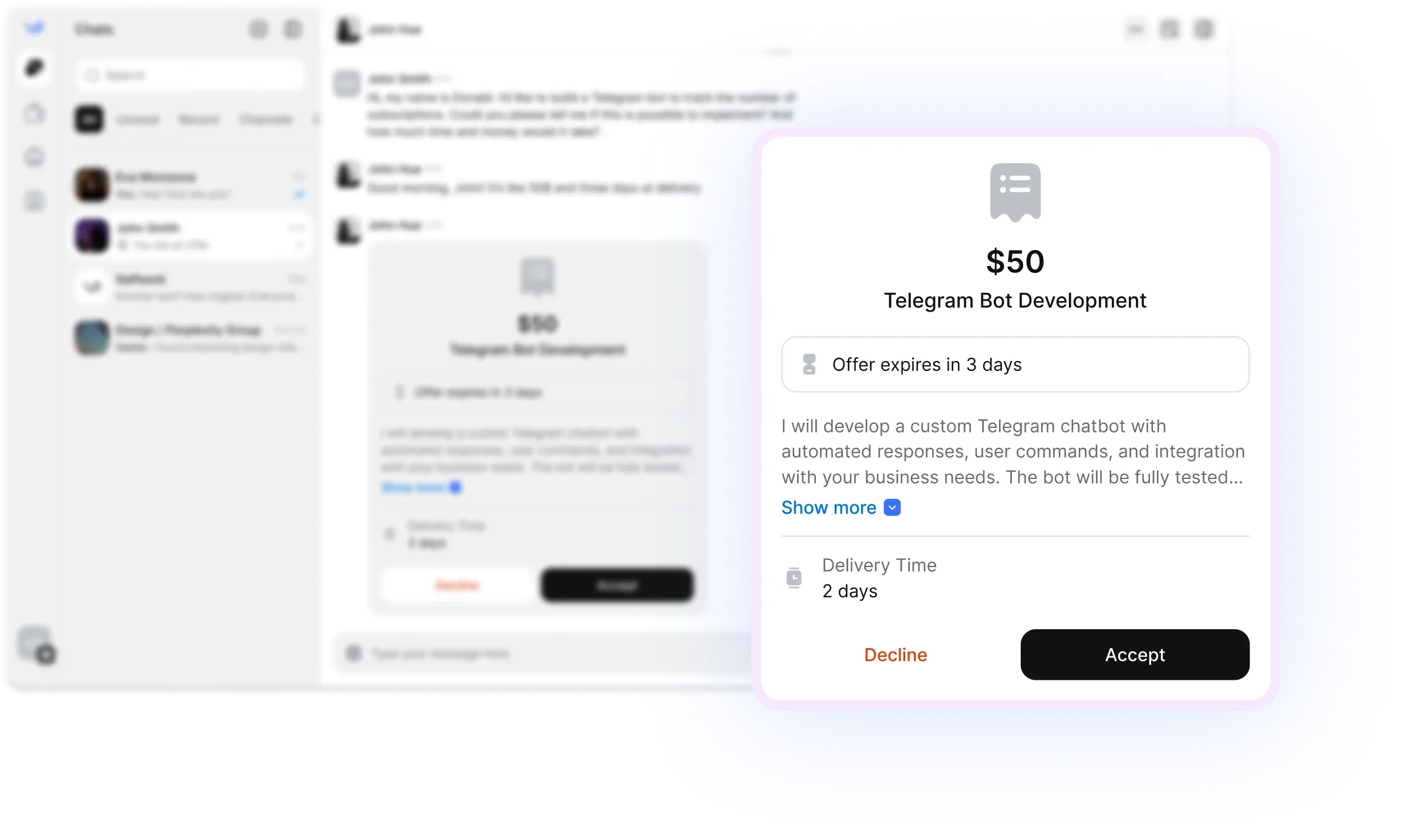
- Agree on scope and milestones — Lock in deliverables, revision rounds, interview time, research expectations, and payment terms before work starts.
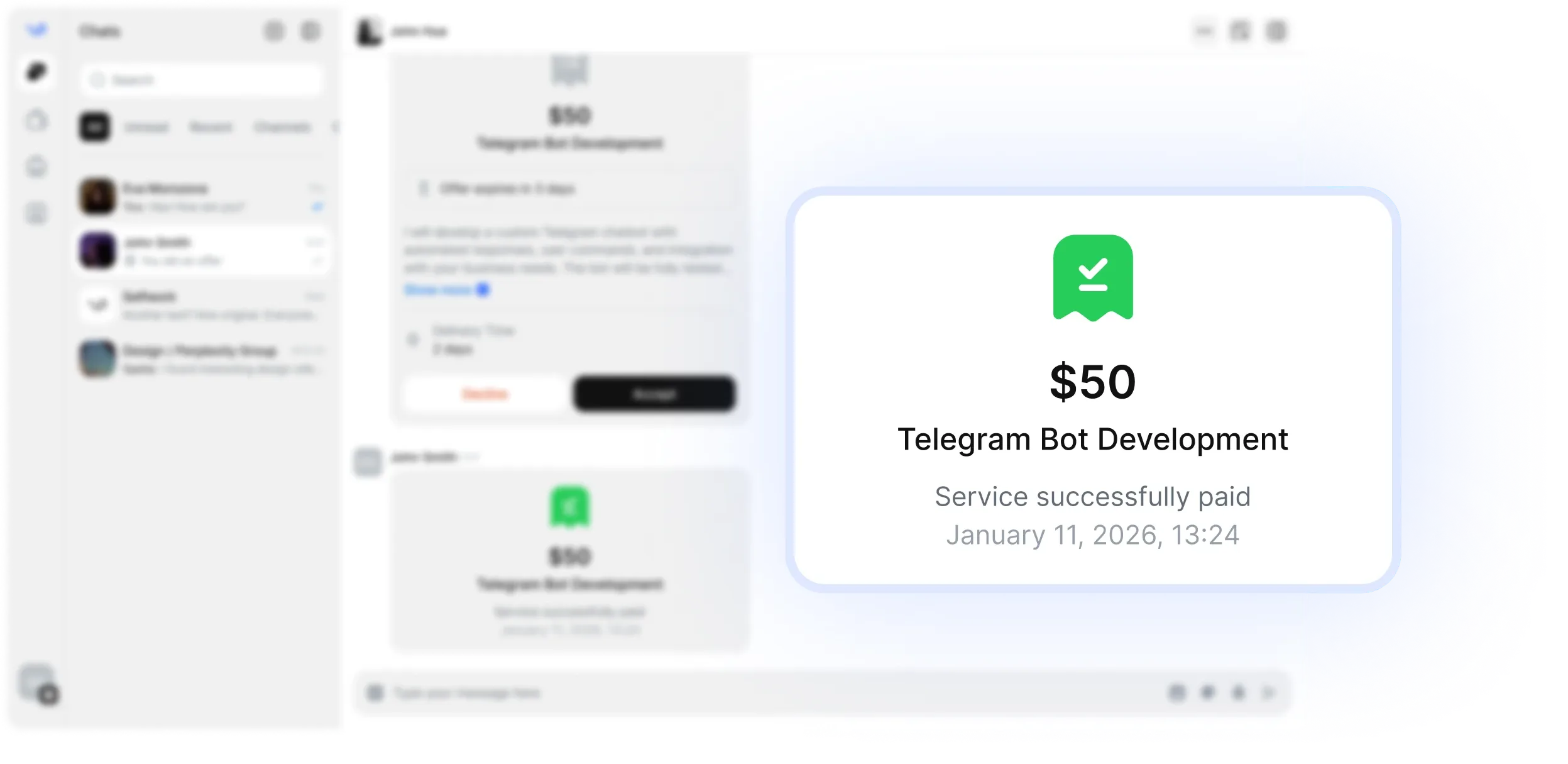
- Work securely through escrow — Fund the project, review drafts, request revisions, and release payment when the work is delivered to brief.
Common brief mistakes to avoid
- No voice reference: Saying “make it sound like me” without examples, recordings, or prior writing leads to vague results.
- Unclear audience: A ghostwriter needs to know whether they are writing for customers, investors, readers, peers, or internal teams.
- Undefined output: “Write a post” is not enough. Specify word count, format, angle, and CTA.
- Too much secrecy, too little context: Ghostwriting is confidential, but writers still need enough background to write accurately.
- Skipping revision rules: If you do not define revision rounds, timelines, and approval steps, the project can drift.
- Ignoring research time: Technical or heavily sourced content takes longer than opinion-led content.
A clear brief should include topic, goals, audience, voice examples, source materials, due date, and what success looks like. If you want a remote ghostwriter to stay aligned across multiple pieces, build a simple style guide from the start.
Verification and escrow
Selfwork is designed to make it easier to hire ghostwriters with more confidence. Profiles are reviewed for relevant experience, and you can evaluate samples, niche focus, and turnaround before starting. For sensitive work, look for writers who are comfortable with confidentiality agreements, private source material, and secure communication.
Escrow adds another layer of protection: funds are held while the ghostwriter works, so both sides have clarity on scope and payment. That helps reduce risk on larger engagements such as books, speechwriting, or recurring content retainers. It also keeps the process professional when you are hiring a freelance ghostwriter remotely and need accountability without unnecessary back-and-forth.
FAQ
How do I hire ghostwriters for a book or memoir?
Start with your outline, audience, desired tone, source material, and any interviews or recordings. A strong book ghostwriter will help shape the structure, extract key stories, and turn your material into a readable manuscript.
Can a ghostwriter match my voice?
Yes, especially if you provide samples of your writing, recordings, notes, or previous content. The best results come from clear references and a few early alignment edits.
Are ghostwriters confidential?
Professional ghostwriters are typically used to working privately and signing confidentiality terms when needed. If confidentiality is important, make that part of the brief and agreement.
What should I send in my brief?
Include your goal, audience, format, target length, tone, examples, deadlines, source material, and how many revision rounds you expect.
How fast can I hire a freelance ghostwriter?
If your brief is clear, you can usually shortlist qualified remote ghostwriters quickly and move from match to kickoff in a short time window, especially for smaller content projects.