Pricing
Game development pricing depends on engine, scope, platform, and whether you need prototyping, production coding, or live support. A freelance game developer with shipped titles and multiplayer or console experience will usually cost more than a generalist developer working on a simple prototype.
| Hiring need |
Typical format |
What affects price |
Best fit |
| Small gameplay task |
Fixed price |
One feature, one engine, clear acceptance criteria |
Bug fix, UI tweak, mechanic polish |
| Prototype or vertical slice |
Milestone-based |
Systems complexity, assets available, iteration rounds |
Early-stage indie or startup game |
| Production sprint |
Weekly or monthly |
Team coordination, engine specialization, release urgency |
Feature development, optimization, porting |
| Live ops or long-term support |
Retainer |
Ongoing updates, analytics, content cadence |
Events, balance changes, maintenance |
If you want to hire game developers affordably, define the deliverable precisely: for example, “implement player movement in Unity,” “build matchmaking logic in Unreal Engine,” or “optimize mobile performance on low-end Android devices.” Clear scopes reduce rework and help remote game developer candidates quote accurately.
Formats and use cases
You can hire game developers for a wide range of formats:
- Prototype development — test a core loop quickly, validate mechanics, and show investors or publishers a playable build.
- Feature implementation — add combat, inventory, progression, AI, UI flows, save systems, or dialogue logic.
- Multiplayer engineering — networking, lobbies, matchmaking, sync, server integration, and latency management.
- Optimization and porting — improve frame rate, memory usage, loading times, and platform compatibility.
- Bug fixing and stabilization — clean up crashes, broken inputs, build issues, and edge-case failures before release.
- Live support — seasonal events, balance patches, content drops, and technical maintenance after launch.
This is especially useful if you need a remote game developer for Unity mobile production, an Unreal Engine specialist for PC or console gameplay, or a C++ engineer for systems-heavy work. The best hire depends on your project stage: early concepts need speed and flexibility, while late-stage projects need clean architecture, profiling, and release discipline.
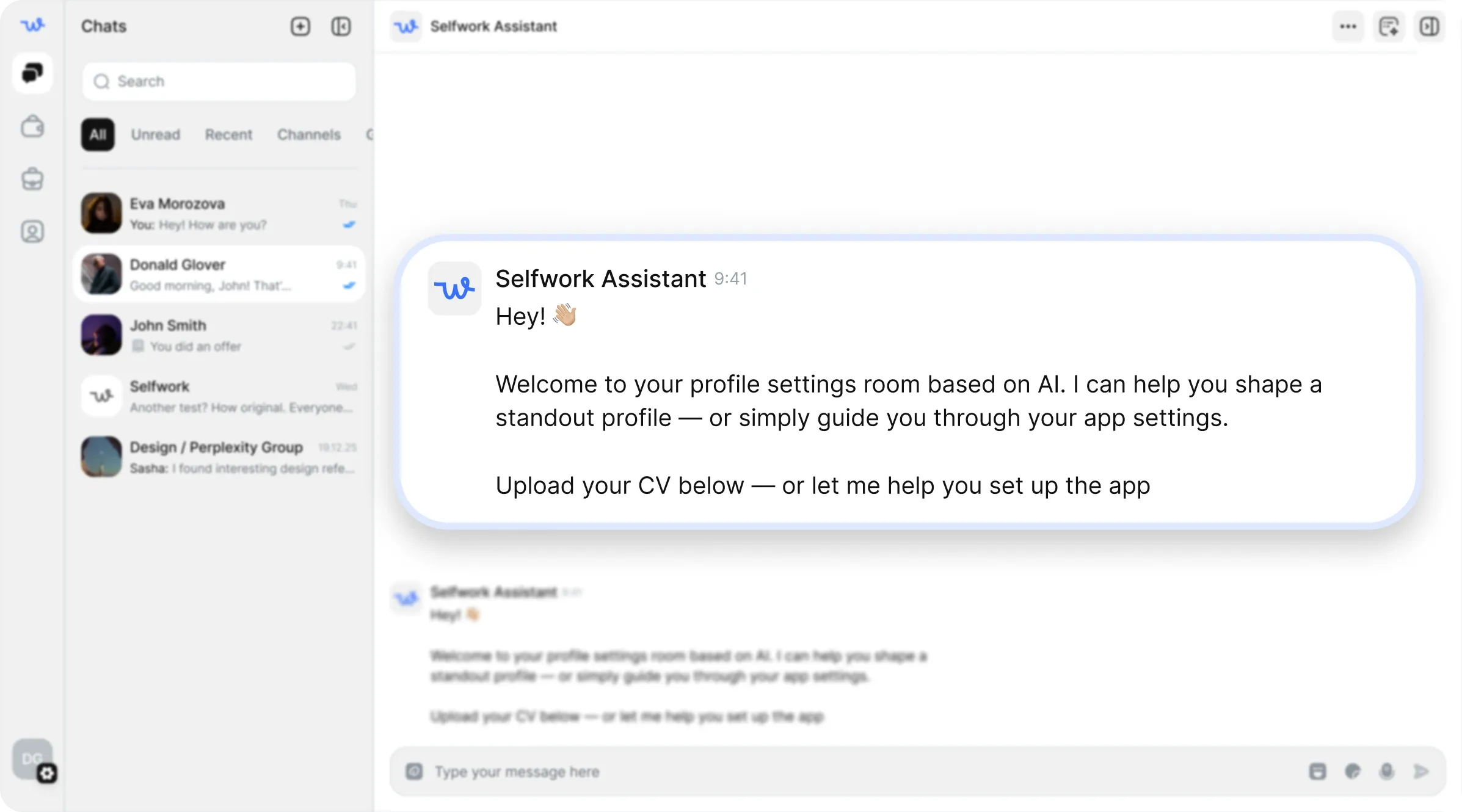
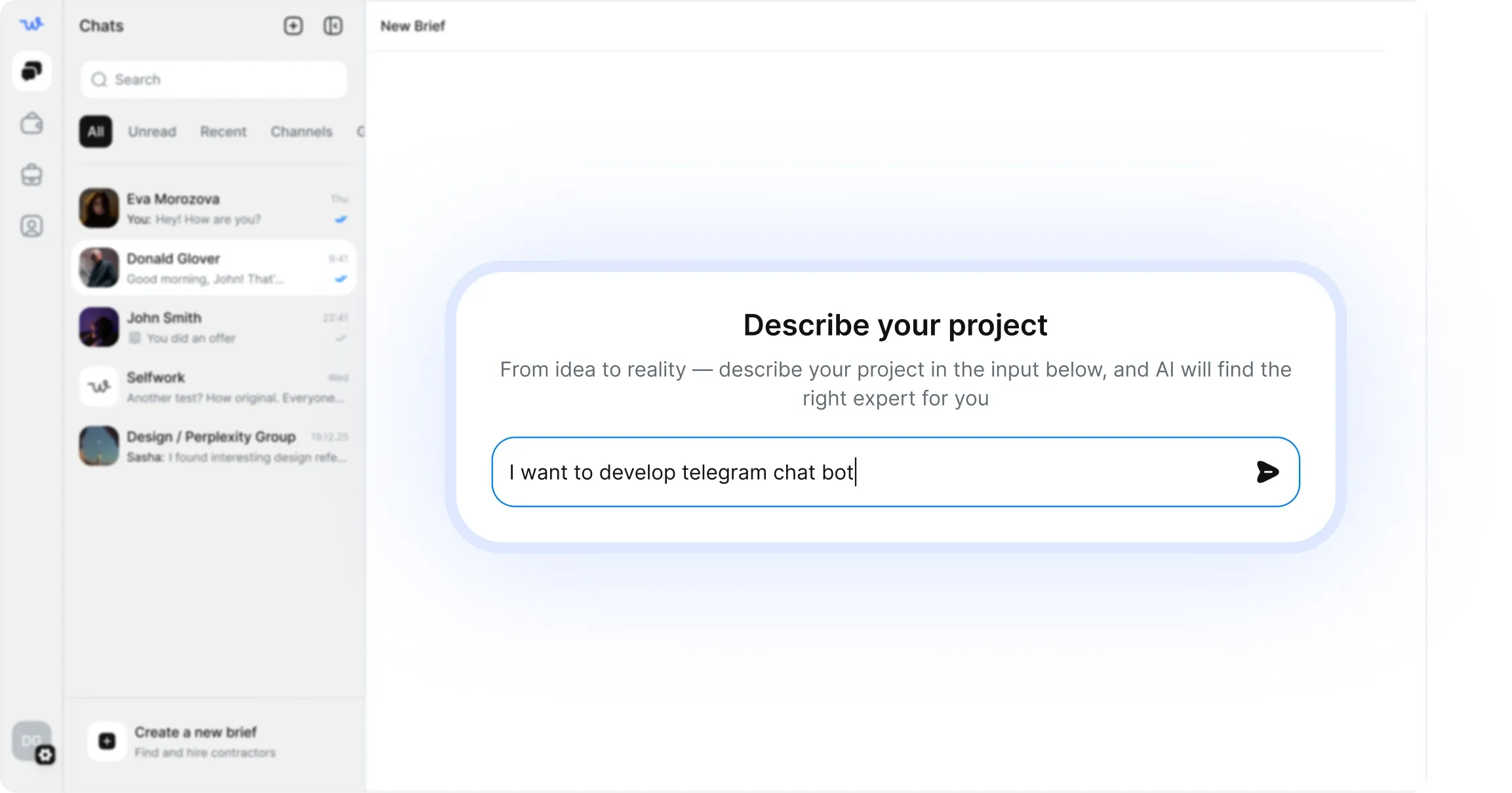
Four hiring steps on Selfwork
- Post your brief — include engine, platform, genre, target audience, deadlines, and the exact systems you want built.
- Review matched specialists — compare portfolios, game jams, shipped titles, ratings, and relevant engine experience.
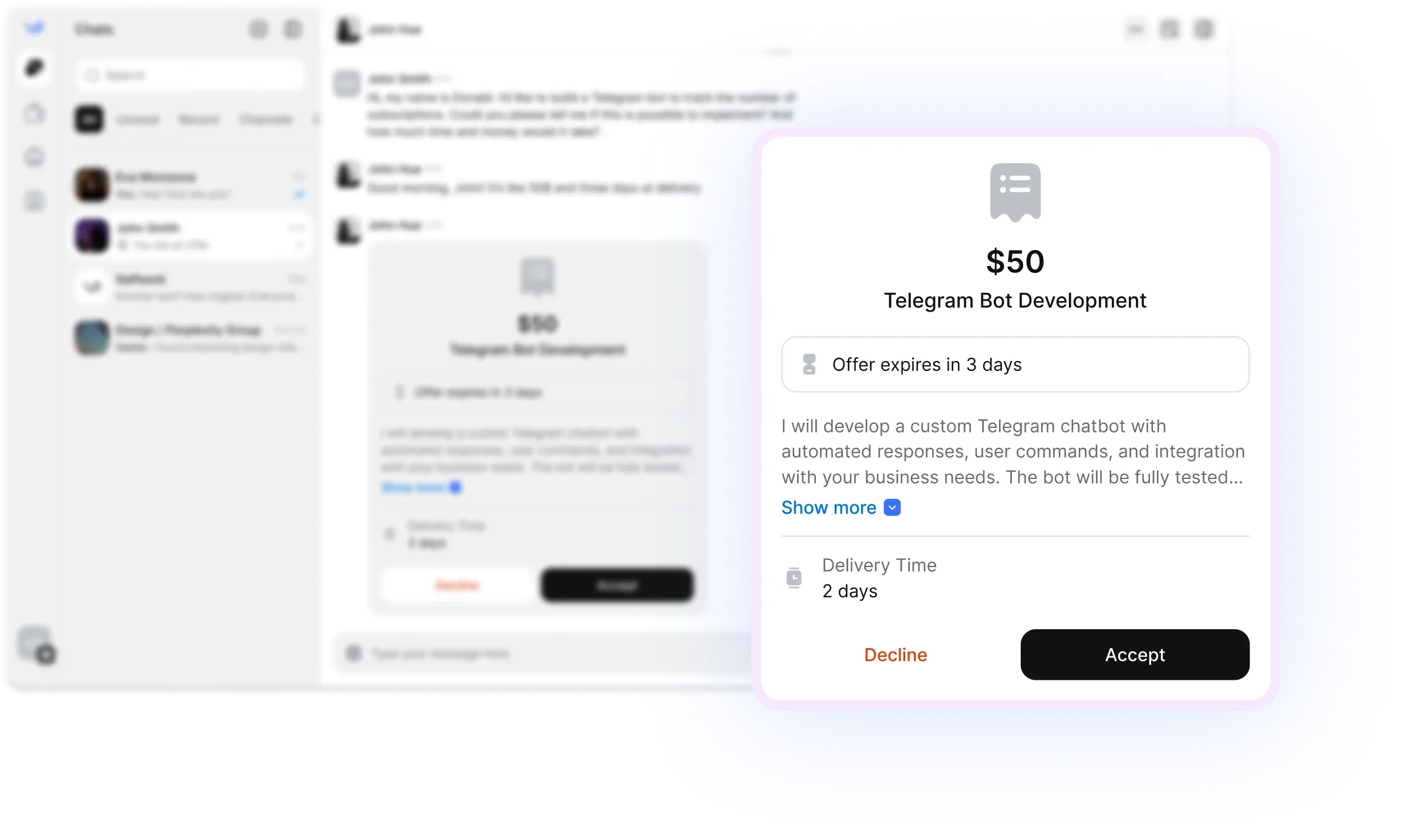
- Align on scope and milestones — confirm deliverables, test criteria, source-control access, communication cadence, and revision limits.
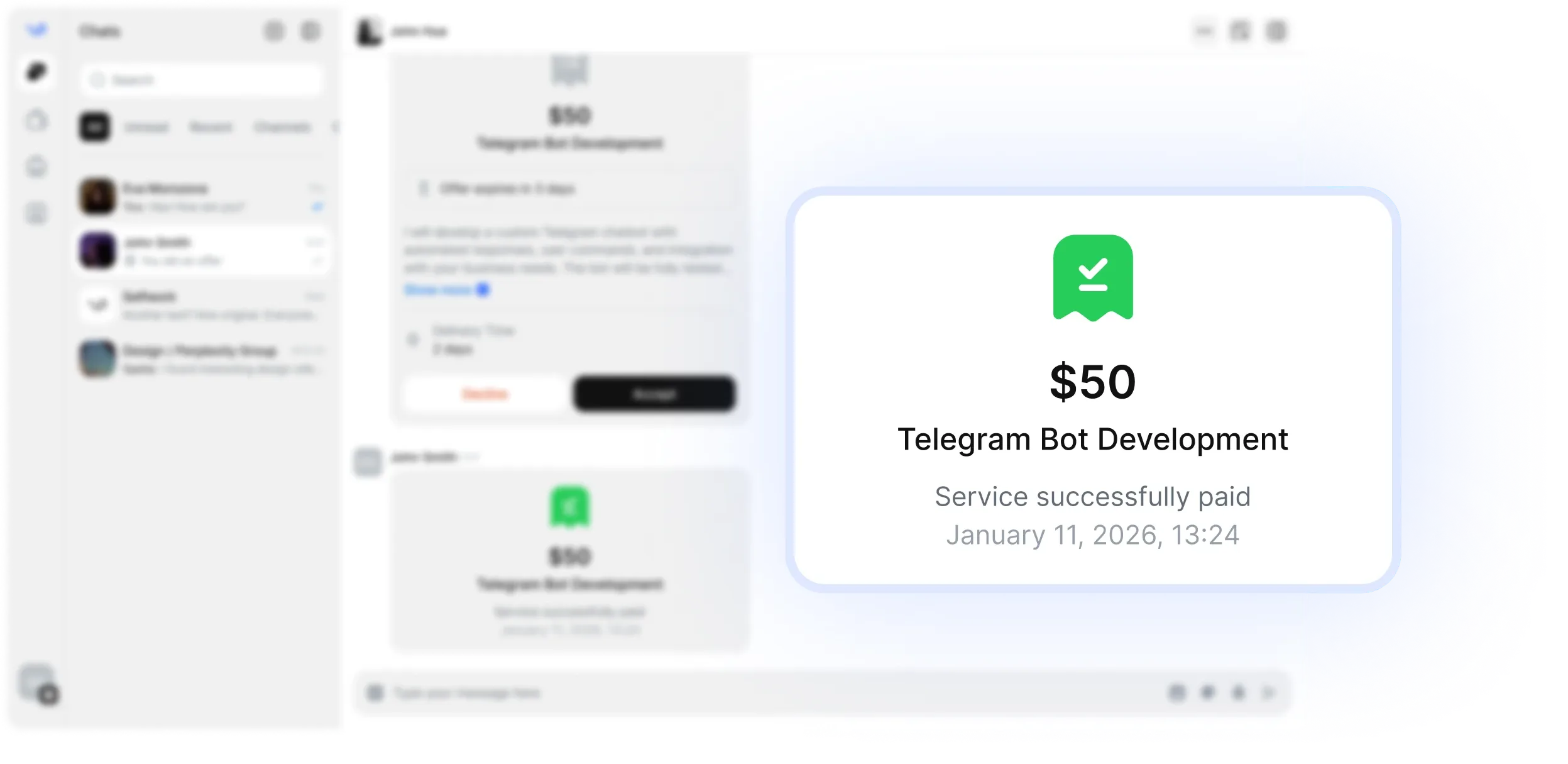
- Start safely with escrow — fund the project securely, release payment by milestone, and keep both sides protected while work is in progress.
These steps make it easier to hire game developers without long back-and-forth. A focused brief and milestone plan help remote game developer candidates estimate correctly and help you track progress from prototype to launch.
Common brief mistakes
Many projects slow down because the brief is too vague. Avoid these mistakes when you hire game developers:
- No engine specified — Unity and Unreal workflows are very different.
- Platform missing — mobile, PC, console, and WebGL have different performance constraints.
- Feature list too broad — “make the game fun” is not a task; “implement jump, dash, and enemy AI” is.
- No reference build or game examples — developers need a target for quality and pacing.
- Unclear ownership of assets — say who provides art, animation, audio, and design specs.
- No acceptance criteria — define what counts as done, tested, and ready to ship.
- Ignoring dependencies — multiplayer, backend, analytics, and monetization often need extra coordination.
When you hire freelance game developers, precision matters. The more concrete your brief is about engine version, build targets, gameplay systems, and expected deliverables, the easier it is to compare candidates and avoid scope drift.
Verification and escrow
Selfwork is built to make it safer to hire game developers online. Verified profiles help you review relevant experience, platform fit, and prior work before you start. Escrow adds a second layer of protection by holding funds while milestones are being completed.
That matters for game development because projects often evolve during production. A good freelance game developer will raise technical risks early, propose tradeoffs, and show working builds regularly. Escrow keeps that process structured: you can approve milestones as features are delivered, tested, and accepted.
For remote game developer hiring, verification and escrow reduce the usual risks around unclear scopes, missed deadlines, and quality gaps. You still need a solid brief, but the platform gives you a cleaner way to hire game developers with more confidence.
FAQ
How do I hire game developers for Unity or Unreal?
Post your engine, platform, and feature list in the brief. Then compare candidates based on shipped projects, relevant mechanics, and experience with the exact engine version or workflow you use.
Can I hire a freelance game developer for just one feature?
Yes. Many clients hire freelance game developers for a single system such as combat, UI, inventory, save/load, AI, or optimization. Fixed-scope tasks are often the fastest to start.
What should I include when hiring a remote game developer?
Include the game genre, target device, engine, build status, deadline, source-control setup, collaboration tools, and the first feature you want delivered.
Do game developers help with bug fixing and optimization?
Absolutely. Many specialists focus on performance profiling, crash fixes, mobile optimization, build stability, and release polish.
Is escrow useful for game development projects?
Yes. Escrow is especially helpful when a project has multiple milestones, changing requirements, or a longer production timeline. It keeps payment tied to completed work.