Pricing for fullstack engineers
Fullstack engineering pricing depends on seniority, stack complexity, and whether you need discovery, implementation, or long-term maintenance. A simple marketing site with a light backend costs less than a multi-role SaaS platform with authentication, payments, role-based access, and deployment pipelines.
| Engagement type |
Typical use case |
Common pricing model |
| Small feature sprint |
Bug fixes, UI polish, one API integration, admin panel changes |
Fixed price or hourly |
| MVP build |
New product, prototype, startup launch, internal tooling |
Fixed scope milestone-based |
| Ongoing product support |
Iteration, monitoring, refactors, feature delivery, technical debt cleanup |
Hourly retainer |
| Senior architecture help |
Stack planning, performance tuning, deployment, systems design |
Hourly or advisory package |
If you are trying to hire fullstack engineers for the first time, start with a clearly bounded milestone. A good engineer can estimate better when the brief defines the current codebase, target browsers, hosting setup, third-party services, and what “done” means.
Formats and use cases
Freelance fullstack engineers are a strong fit for:
- SaaS MVPs that need frontend, backend, database, and deployment in one build
- Customer portals, dashboards, and admin tools
- Marketplace features like listings, search, messaging, checkout, and notifications
- Internal automation tools and ops software
- Product rescue work, including technical debt cleanup and broken release pipelines
- API-driven applications using third-party services, webhooks, and data sync
- Replatforming or modernizing older apps into React, Next.js, Node.js, or similar stacks
Remote fullstack engineers are especially useful when your team needs someone who can own a feature from concept to production. That includes translating product requirements into technical tasks, coordinating with designers, and making pragmatic tradeoffs so shipping stays on schedule.
Four hiring steps on Selfwork
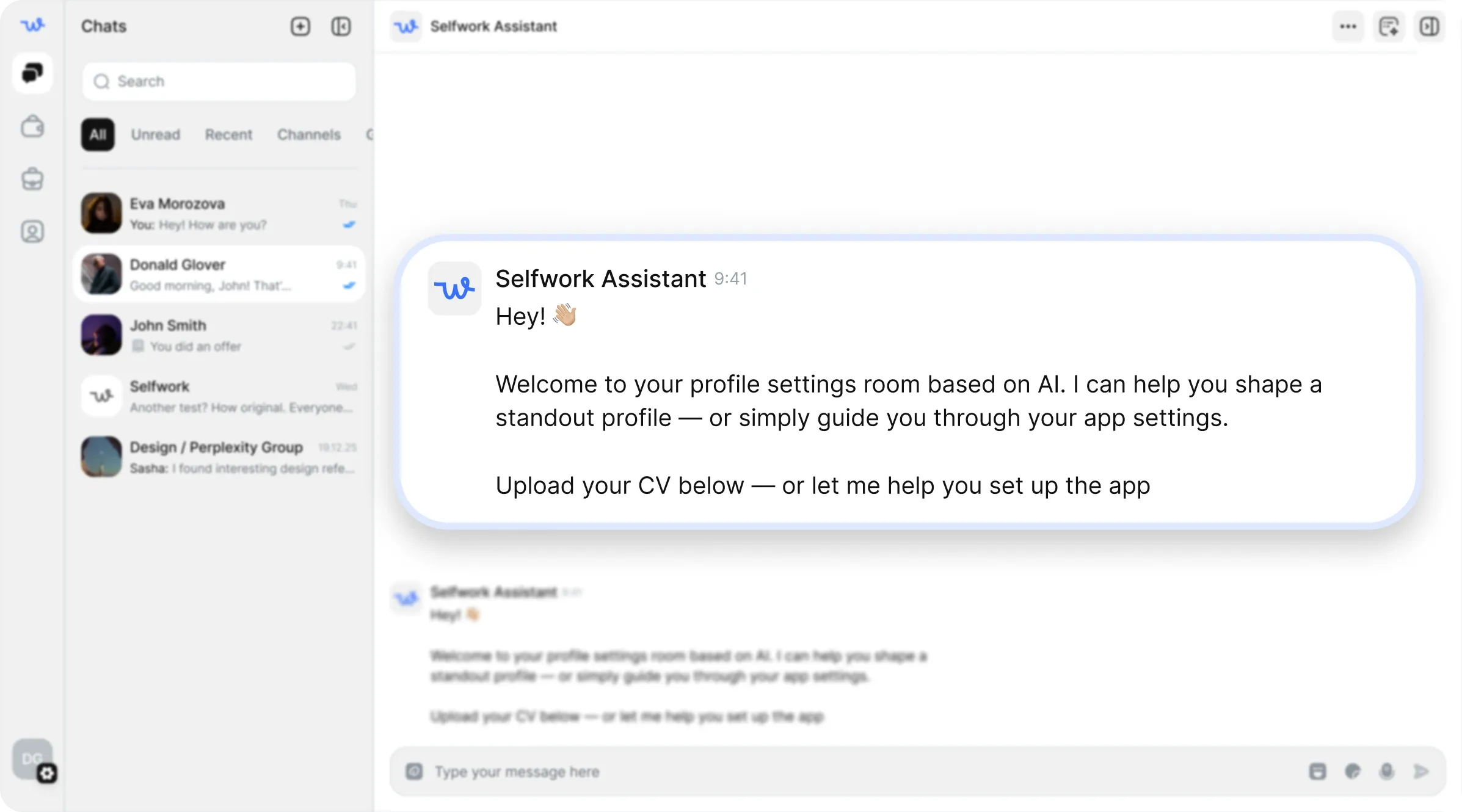
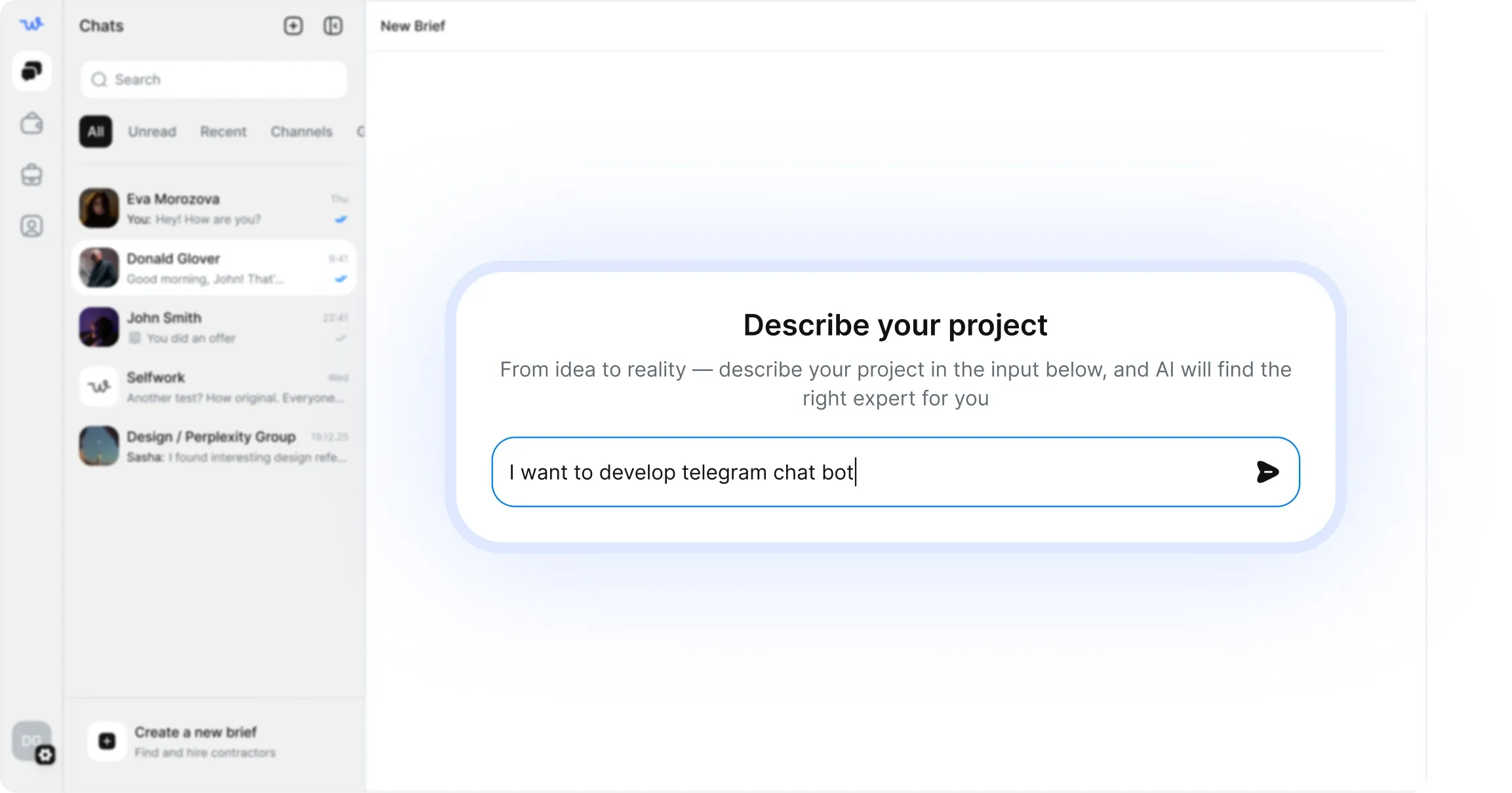
Describe the build
Write a concise brief with project goals, stack, timeline, and the most important user flows. Mention whether you need a freelance fullstack engineer for a new build, a rescue project, or continuous delivery.
Review candidates
Compare verified profiles, portfolio examples, and relevant experience. Look for evidence that the engineer has shipped similar features, not just listed the right tools.
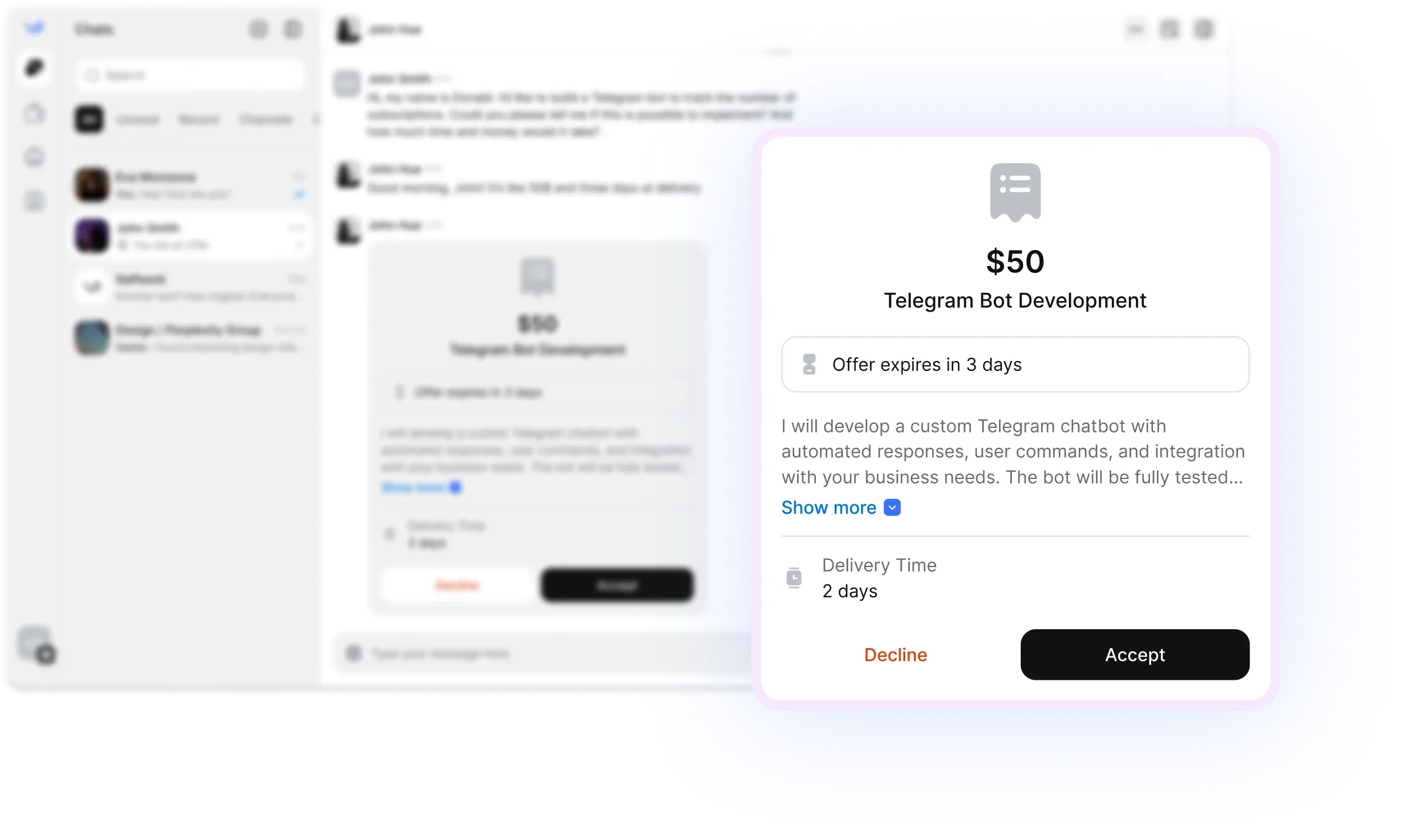
Align on scope
Confirm deliverables, milestones, dependencies, and communication cadence. Good fullstack engineers will flag risks early, propose implementation options, and help refine the plan.
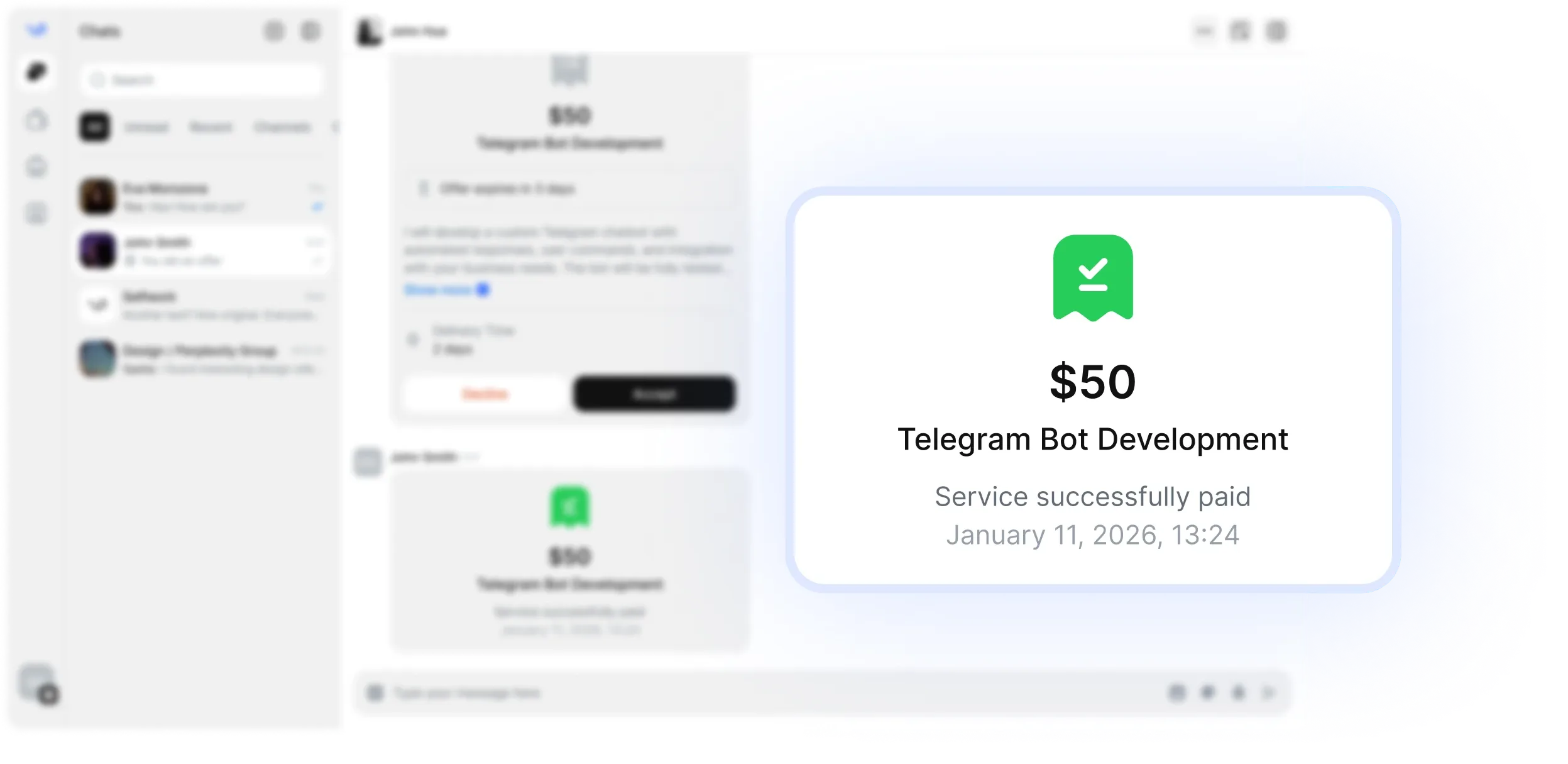
Start securely
Fund the work through escrow, track progress against milestones, and release payment when agreed outcomes are met.
Common brief mistakes to avoid
A vague brief slows down matching and increases the chance of rework. When you hire fullstack engineers, avoid these mistakes:
- Listing tools without describing the business problem
- Forgetting to specify whether the work is frontend-heavy, backend-heavy, or balanced across both
- Not naming the current stack, repo access needs, or hosting provider
- Ignoring authentication, permissions, billing, analytics, or data migration until late in the process
- Leaving out acceptance criteria for the MVP or feature
- Underestimating testing, deployment, and bug-fix time
The best briefs include project context, user journey, technical constraints, and the decision-making authority the engineer will have.
Verification and escrow
Selfwork is designed to make freelance hiring safer and easier to trust. Verified profiles help you evaluate experience before you commit, and escrow adds protection by holding funds until milestones are completed.
That matters when you hire fullstack engineers for critical product work. You want someone who can touch multiple layers of the stack, but you also want a process that keeps the scope clear and the payment flow predictable. Escrow, milestone tracking, and brief-led matching reduce risk for both sides and make it easier to start quickly.
FAQ
How do I hire fullstack engineers for an MVP?
Start with the core user journey, the minimum feature set, and the stack you want to use. Share any design files, API requirements, and deployment preferences so candidates can estimate accurately.
What should a freelance fullstack engineer handle?
A strong fullstack engineer can work on frontend components, backend endpoints, database structure, authentication, integrations, testing, and deployment. Some are better as end-to-end builders, while others focus on implementation support within an existing team.
Can I hire remote fullstack engineers for an existing codebase?
Yes. Remote fullstack engineers are often brought in to add features, fix bugs, refactor old code, or improve performance in live products. Include repo access details, architecture notes, and any known issues in your brief.
What stack should I mention in the brief?
List the main tools you use or want to use, such as React, Next.js, Node.js, Express, PostgreSQL, MongoDB, AWS, Docker, or Vercel. Also mention anything you want the engineer to avoid or replace.
How long does it take to find the right fit?
If your brief is clear and the scope is well defined, you can move quickly. The fastest matches usually come from projects that explain the product goal, the feature list, the deadline, and the current stage of the build.