Pricing for frontend engineering work
Frontend engineering pricing depends on scope, complexity, and the amount of design and product thinking required. Simple page builds cost less than multi-step app flows, component libraries, or performance-sensitive interfaces.
| Project type |
Typical price range |
Best for |
| Landing page / marketing site |
$400–$2,000 |
Single-page or small multi-page builds, fast turnaround, design-to-code work |
| SaaS dashboard or app UI |
$1,500–$6,000+ |
Authenticated frontends, complex state, tables, filters, charts, and CRUD flows |
| Design system / component library |
$2,000–$10,000+ |
Reusable UI foundations, documentation, tokens, and scalable component architecture |
| Frontend refactor / modernization |
$1,000–$8,000+ |
Legacy cleanup, TypeScript migration, performance improvements, and codebase restructuring |
| Ongoing frontend support |
$500–$5,000/month |
Iterative product work, bug fixes, UI enhancements, and release support |
Rates vary based on framework expertise, animation needs, accessibility requirements, and integration complexity. A freelance frontend engineer with strong React or Next.js experience may charge more, especially if they can own implementation, troubleshooting, and handoff.
Formats and use cases
Frontend engineers on Selfwork can support a wide range of deliverables:
- Marketing sites and landing pages: fast, responsive, conversion-focused builds with strong visuals and performance.
- SaaS products: dashboards, tables, forms, authentication screens, and complex application states.
- Design-to-code implementation: clean translation from Figma into HTML, CSS, React, or Vue.
- Component systems: reusable UI building blocks, storybook-style documentation, and design-token alignment.
- Performance work: improving page speed, bundle size, image handling, hydration, and rendering behavior.
- Accessibility updates: keyboard navigation, semantic markup, contrast, focus states, and screen-reader support.
- Frontend refactors: converting old code, improving structure, and preparing apps for scale.
- API-connected interfaces: forms, CRUD screens, data views, search, filters, and real-time UI behavior.
If you need a remote frontend engineer, be explicit about collaboration preferences, code review expectations, and whether the work is part of a broader engineering team or a standalone implementation.
How to hire frontend engineers on Selfwork in 4 steps
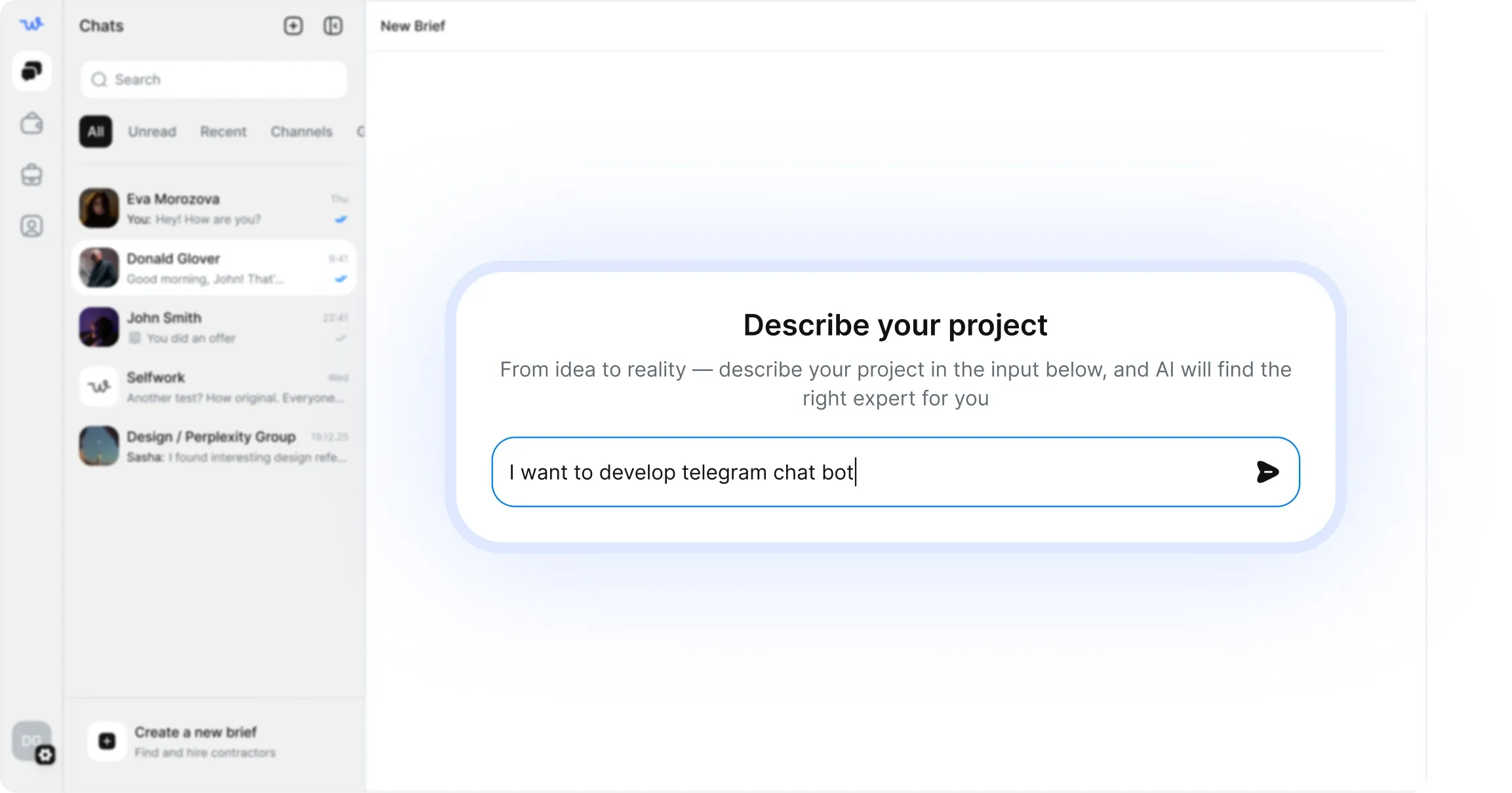
Post a brief
Share the product goal, stack, design files, key pages, deadlines, and success criteria. Include whether you need build, fix, refactor, or ongoing support.
Review matching specialists
Compare frontend engineers by platform experience, portfolio relevance, response speed, and previous work. Shortlist candidates who have built similar interfaces.
Align on scope and timeline
Confirm deliverables, milestones, communication cadence, and what “done” means. This is especially important for React, Next.js, and Vue projects with multiple states or routes.
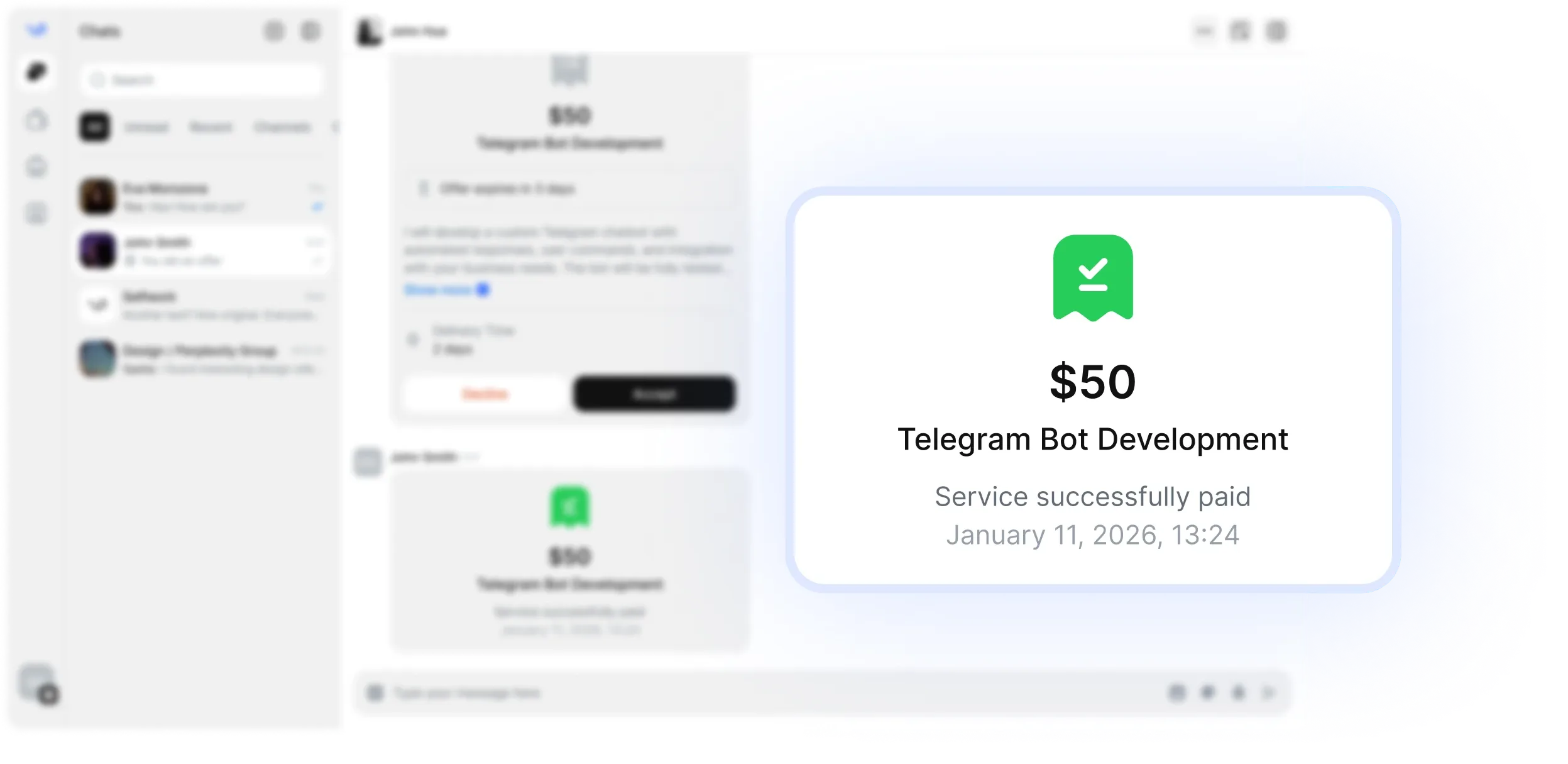
Fund securely and start work
Use escrow-style protection while the project runs. Release payment as milestones are completed and accepted.
Common brief mistakes to avoid
A strong brief helps you hire frontend engineers faster and get better results. Avoid these mistakes:
- Vague scope: “Need a frontend” is too broad. List pages, features, and expected outputs.
- No design source: If you have Figma, wireframes, or references, attach them.
- Missing stack details: Say whether the project is React, Next.js, Vue, or plain HTML/CSS.
- Ignoring responsive behavior: Clarify mobile, tablet, and desktop expectations.
- No API or backend info: Engineers need to know what data exists and how it arrives.
- Unclear deadline: Separate launch date from nice-to-have enhancements.
- No acceptance criteria: Define what counts as a finished page, component, or feature.
A freelance frontend engineer can move much faster when the brief includes browser support, animation requirements, accessibility standards, and any must-match brand rules.
Verification and escrow
Selfwork is designed to reduce hiring risk. Verified specialists help you avoid low-quality matches, while escrow-based payments protect both sides during delivery. That means you can hire frontend engineers with more confidence, especially when the work touches customer-facing product UI, checkout paths, or revenue pages.
Verification helps ensure the specialist understands modern frontend workflows, from component-based development to responsive design and implementation quality. Escrow keeps the process structured: funds are held safely, milestones are agreed in advance, and release happens when work is delivered as expected.
This is particularly useful when hiring a remote frontend engineer, where communication, timing, and handoff quality matter as much as coding ability.
FAQ
What should I include in a frontend engineer brief?
Include the platform, framework, design files, target devices, pages or features, deadline, and any integrations. If you want React, Next.js, Vue, or TypeScript expertise, say so clearly.
Can I hire a frontend engineer for a single landing page?
Yes. Many clients hire freelance frontend engineers for one-off pages, campaign microsites, or conversion-focused landing page builds.
Do frontend engineers on Selfwork work remotely?
Yes. You can hire remote frontend engineers for short projects or ongoing product work across time zones.
What is the difference between a frontend engineer and a UI developer?
A frontend engineer typically handles more product logic, component structure, and integrations, while a UI developer may focus more narrowly on visual implementation. Many specialists cover both.
Is escrow available for frontend projects?
Yes. Escrow-style protection helps secure milestones and keeps the project process clear for both client and engineer.