Pricing
Email marketing pricing depends on scope, platform complexity, and whether you need strategy, copy, automation, or full-funnel management. Some specialists work per campaign, others on monthly retainers, and larger lifecycle builds may be quoted as a fixed project.
| Engagement type |
Typical scope |
Common price range |
| Email audit |
Deliverability, segmentation, flows, and quick wins |
$300–$1,200 |
| Single campaign |
Newsletter, promo send, launch email set |
$150–$800 |
| Automation setup |
Welcome, abandoned cart, post-purchase, win-back flows |
$800–$4,000 |
| Monthly retention support |
Ongoing campaigns, testing, reporting, optimization |
$1,000–$6,000+ |
| Full lifecycle strategy |
Messaging architecture, flow map, segmentation, KPI plan |
$2,500–$10,000+ |
Costs rise when the work includes advanced segmentation, data cleanup, ESP migration, deliverability troubleshooting, or multi-market localization. If you want to hire email marketers for a fast launch, a narrow campaign scope usually keeps pricing leaner. If you need a remote email marketer to own the channel end to end, expect a higher monthly rate in exchange for better consistency and reporting.
Formats and use cases
Email marketers support a wide range of business needs. The right format depends on your funnel stage, list size, and internal bandwidth.
- Newsletter strategy and production: planned weekly or biweekly content, editorial calendars, segmentation, and performance reporting.
- Lifecycle automations: welcome series, abandoned cart, browse abandonment, post-purchase education, replenishment, review requests, and win-back flows.
- Product launches and promotions: launch sequences, sale calendars, countdown messaging, and audience targeting.
- B2B lead nurture: onboarding, educational sequences, event follow-up, webinar promotion, demo nurturing, and pipeline support.
- Deliverability and list health: spam-risk review, domain setup guidance, list hygiene, re-engagement strategy, and inbox placement improvement.
- Ecommerce growth: segmentation by behavior, purchase history, AOV, and engagement to increase revenue per recipient.
- CRM and automation support: setup in Klaviyo, Mailchimp, HubSpot, ActiveCampaign, Braze, or Campaign Monitor.
If you need to hire email marketers for a specific deliverable, define the output format: copy-only, strategy only, design-ready briefs, HTML edits, or end-to-end execution. A freelance email marketer can plug into your existing creative workflow, while a remote email marketer can often manage testing and reporting week to week.
Four hiring steps on Selfwork
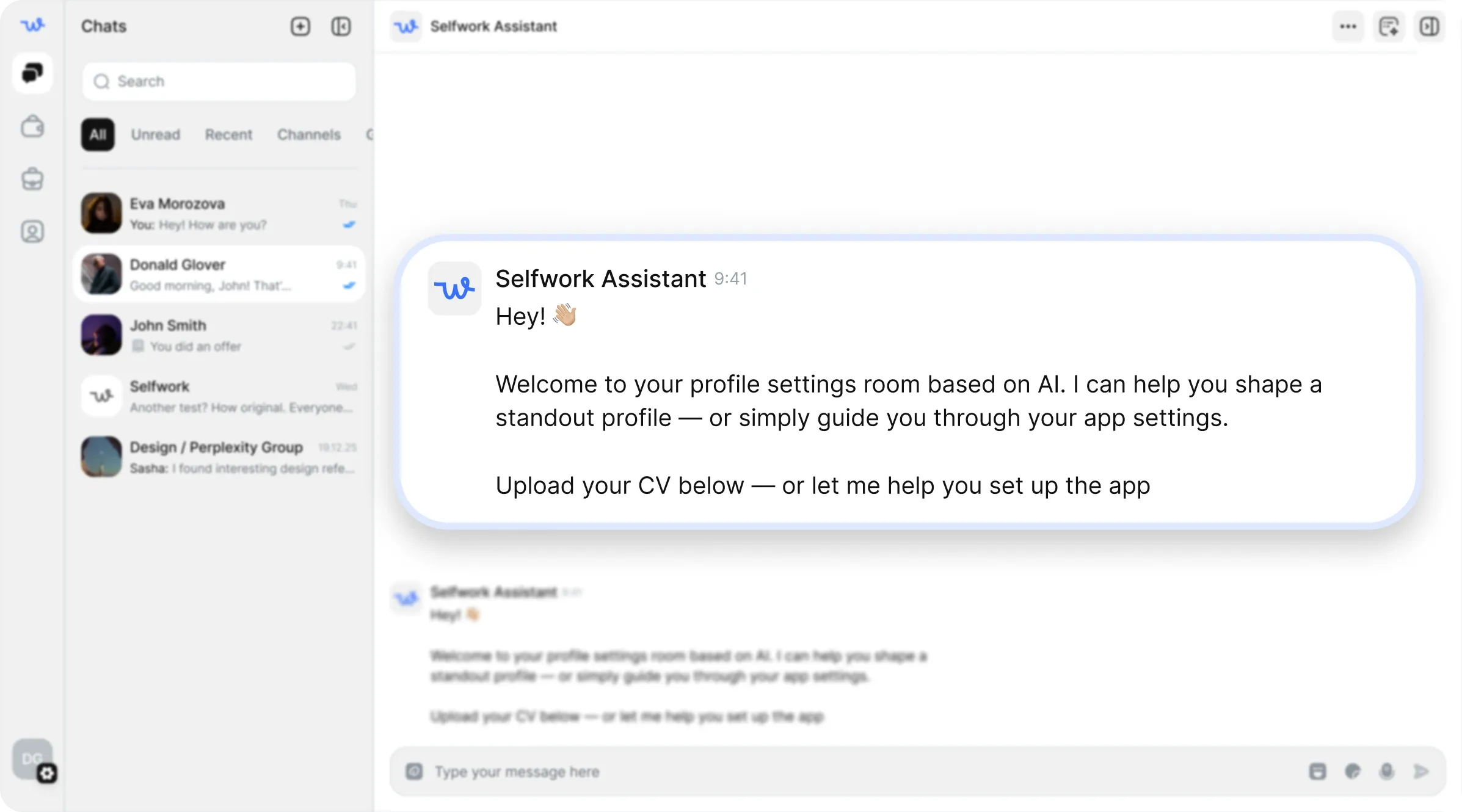
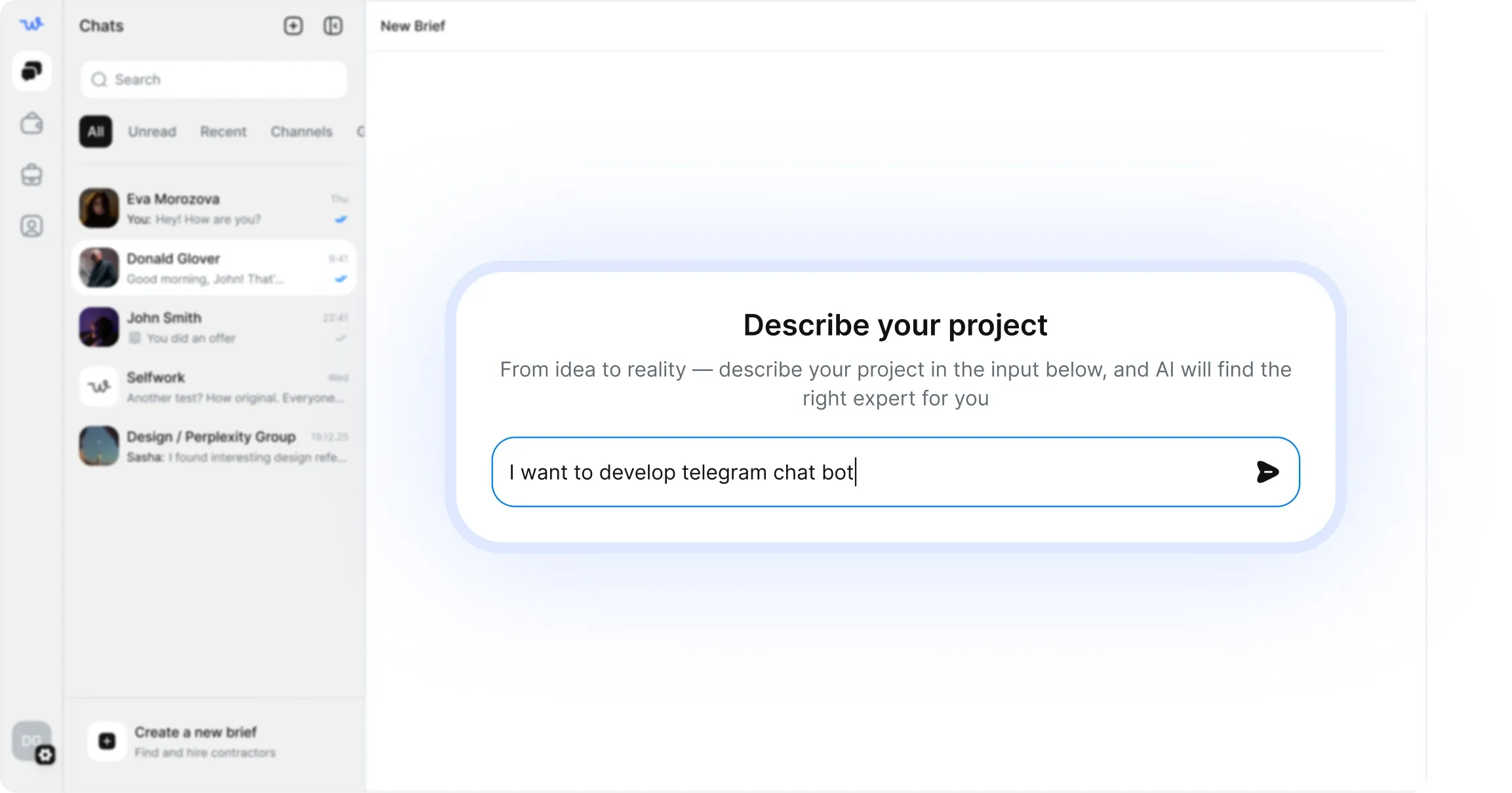
Publish your brief
Share your business model, goals, email platform, audience, timelines, and whether you need strategy, copy, automation, or reporting.
Review verified specialists
Compare email marketers by platform expertise, relevant project history, response style, and fit for your use case.
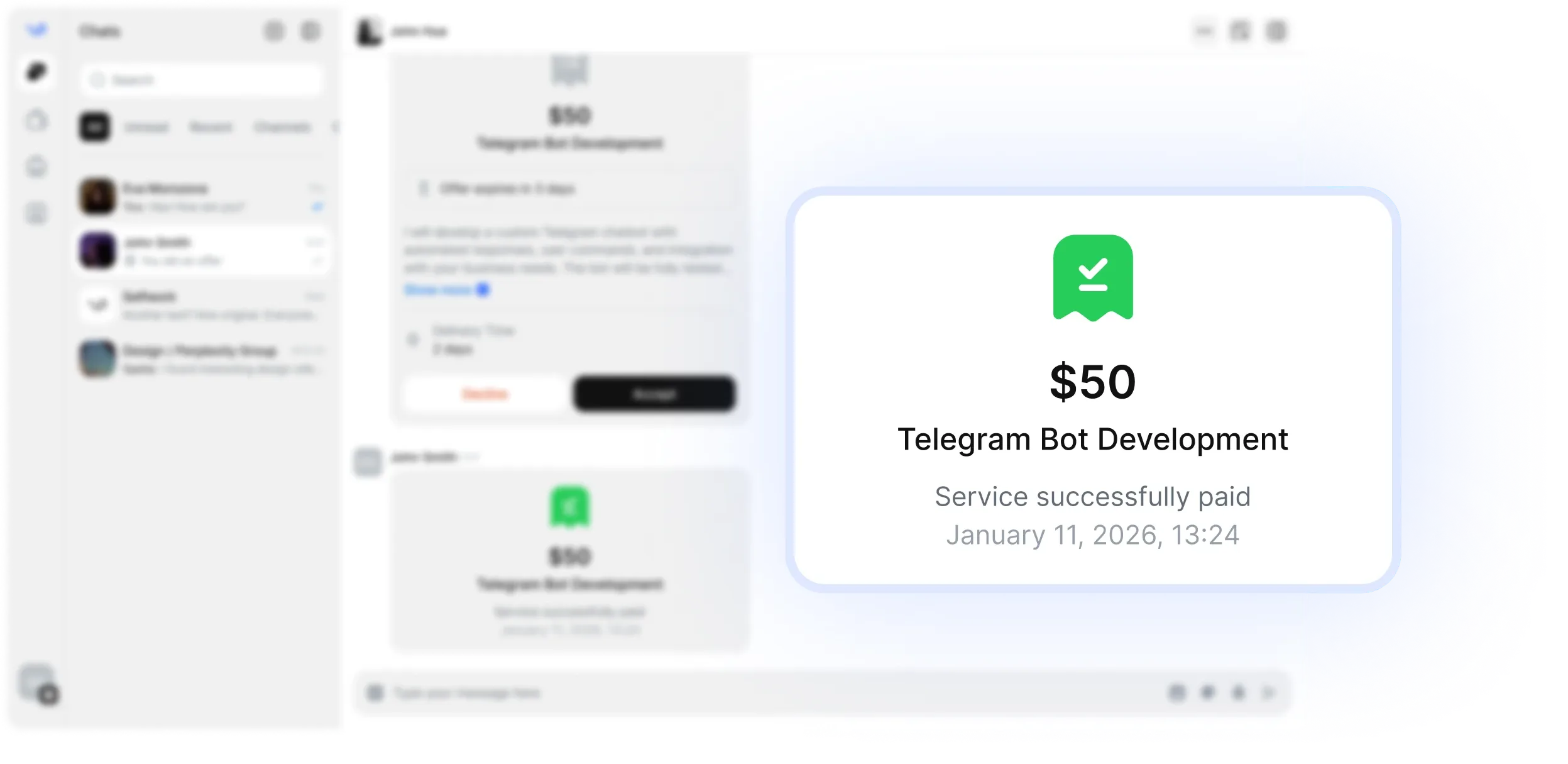
Shortlist and confirm scope
Message the best matches, ask about process and turnaround time, and lock down deliverables, milestones, and approval flow.
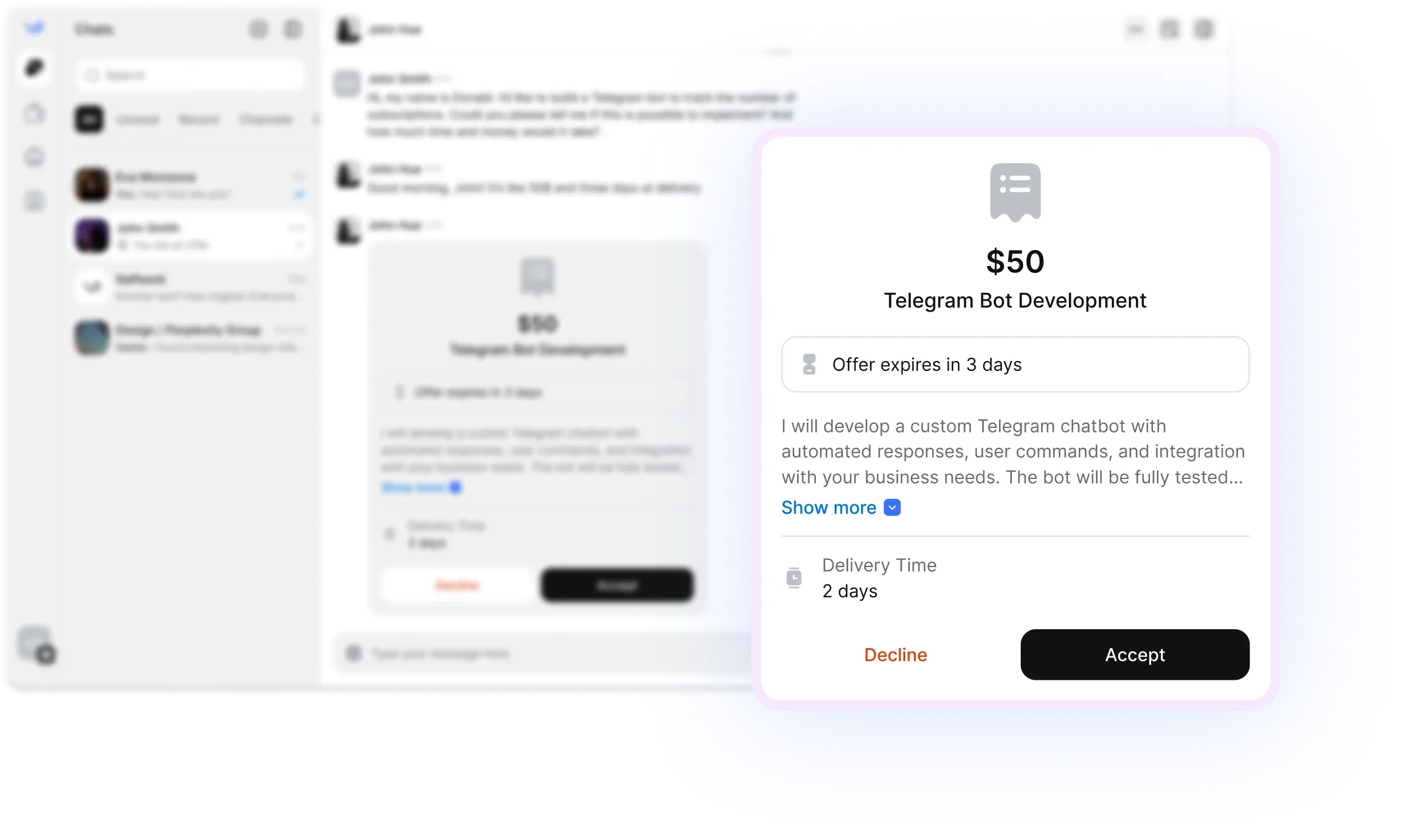
Start with escrow protection
Fund the project safely, approve work as milestones are met, and keep the process structured from kickoff to final handoff.
Common brief mistakes
The fastest way to slow down hiring is to keep the brief too vague. Avoid these mistakes when you want to hire email marketers:
- No platform listed: Klaviyo, Mailchimp, HubSpot, ActiveCampaign, Braze, and Campaign Monitor each have different workflows.
- No goal defined: “Improve email” is too broad. Say whether you need more revenue, better retention, higher open rates, or better automation coverage.
- No audience context: B2B and ecommerce email require different messaging, cadence, and metrics.
- No content ownership clarity: Decide whether the marketer is writing copy, building automations, coordinating design, or all three.
- No KPI target: Include benchmarks such as revenue per send, click rate, conversion rate, list growth, or reactivation rate.
- No timeline: A launch campaign with a hard deadline needs different staffing than an always-on newsletter program.
A strong brief helps a freelance email marketer estimate accurately and gives a remote email marketer enough context to prioritize the right tasks.
Verification and escrow
Selfwork is designed to reduce the risk of hiring underqualified specialists or paying before scope is clear. Verified profiles help you assess experience faster, while escrow protects both sides during execution.
When you hire email marketers on Selfwork, you can review relevant work history, platform familiarity, and project fit before committing. Escrow keeps payment secure until agreed milestones are completed, which is especially useful for multi-step workflows like lifecycle setup, campaign calendars, and CRM migration support.
This is valuable when you are working with a freelance email marketer for the first time or bringing in a remote email marketer to handle sensitive subscriber data and revenue-driving automations. With a clear scope and milestone plan, the process stays transparent from kickoff to delivery.
FAQ
How do I hire email marketers for Klaviyo or Mailchimp?
Post your brief with the platform, goals, list size, and campaign types you need. Then compare specialists who have direct experience with that ESP and similar workflows.
Can a freelance email marketer handle both strategy and copy?
Yes. Many can map the customer journey, write campaigns, and build automations, but you should confirm whether you also need design support, HTML edits, or reporting.
What should I include in an email marketing brief?
Platform, business model, audience, brand voice, KPIs, deliverables, timeline, and what assets are already available. The more specific the brief, the faster you can match with the right remote email marketer.
Do email marketers work on one-off campaigns or monthly retainers?
Both. One-off projects are common for launches, audits, and flow setups. Retainers work better for ongoing newsletters, testing, and lifecycle optimization.
How do I know if an email marketer is a good fit?
Look for relevant platform experience, examples of similar funnels, a clear process, and the ability to explain how they improve deliverability, engagement, and revenue.