Pricing
DevOps pricing depends on environment complexity, scope, and urgency. A simple CI/CD cleanup costs less than a full Kubernetes migration or multi-account cloud redesign. Use the table below as a practical starting point when you hire DevOps Engineers.
| Engagement type |
Typical scope |
Common pricing model |
| Audit and roadmap |
Review current cloud, CI/CD, and deployment setup; identify risks and quick wins |
Fixed-price project |
| CI/CD implementation |
Build or improve pipelines, tests, artifact flow, and release automation |
Fixed-price or milestone-based |
| Cloud and IaC work |
Terraform modules, AWS/Azure/GCP architecture, environment provisioning, secrets management |
Hourly or milestone-based |
| Kubernetes operations |
Cluster setup, deployment strategy, scaling, rollbacks, observability |
Hourly or retainer |
| Reliability and incident reduction |
Monitoring, alert tuning, SLOs, logging, runbooks, on-call support |
Retainer or ongoing hourly |
Rates vary by toolchain and environment size. A freelance DevOps Engineer working on a single product API will usually price differently from a remote DevOps Engineer handling multi-service infrastructure, compliance, and delivery pipelines across environments.
Formats and use cases
You can hire DevOps Engineers for several engagement formats depending on the outcome you need:
- Audit sprint: Best when you want an expert to diagnose bottlenecks in AWS, Azure, GCP, Docker, Kubernetes, or Jenkins before committing to a larger build.
- Build project: Ideal for Terraform infrastructure, GitHub Actions or GitLab CI pipelines, containerization, monitoring rollout, or deployment hardening.
- Ongoing support: Useful for teams that need a remote DevOps Engineer to maintain systems, improve reliability, and support releases each week.
- Specialist rescue: Good for broken pipelines, failed deployments, unstable clusters, or production incidents that need a calm operator with hands-on experience.
Common tasks include:
- Setting up CI/CD pipelines in Jenkins, GitHub Actions, GitLab CI, or Azure DevOps
- Provisioning cloud environments in AWS, Azure, or GCP
- Writing Terraform, Ansible, or shell automation for repeatable infrastructure
- Deploying and operating Docker and Kubernetes workloads
- Configuring monitoring in Prometheus, Grafana, Datadog, or similar tools
- Improving logging, alerts, incident response, and rollback procedures
- Standardizing environments for dev, staging, and production
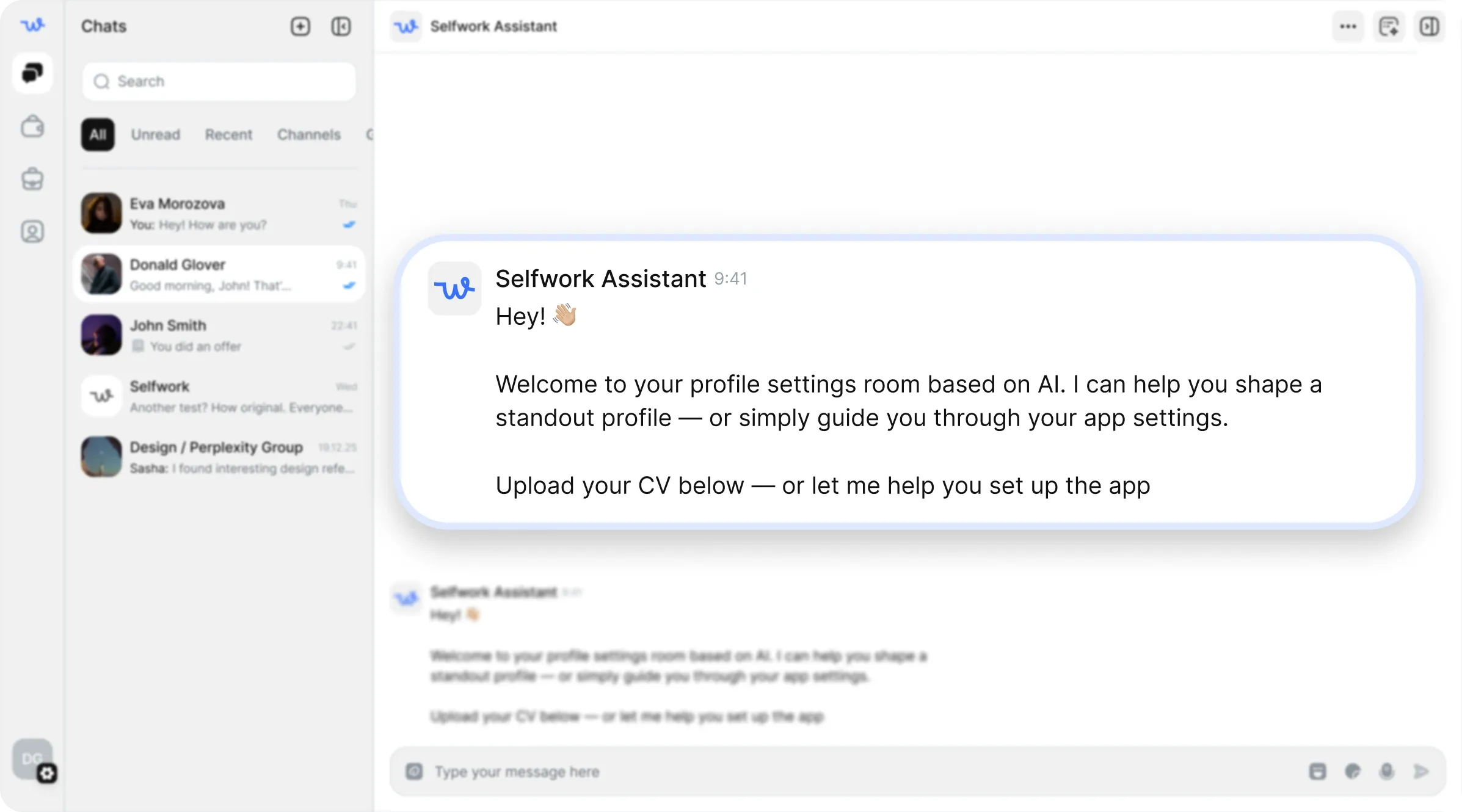
Four hiring steps on Selfwork
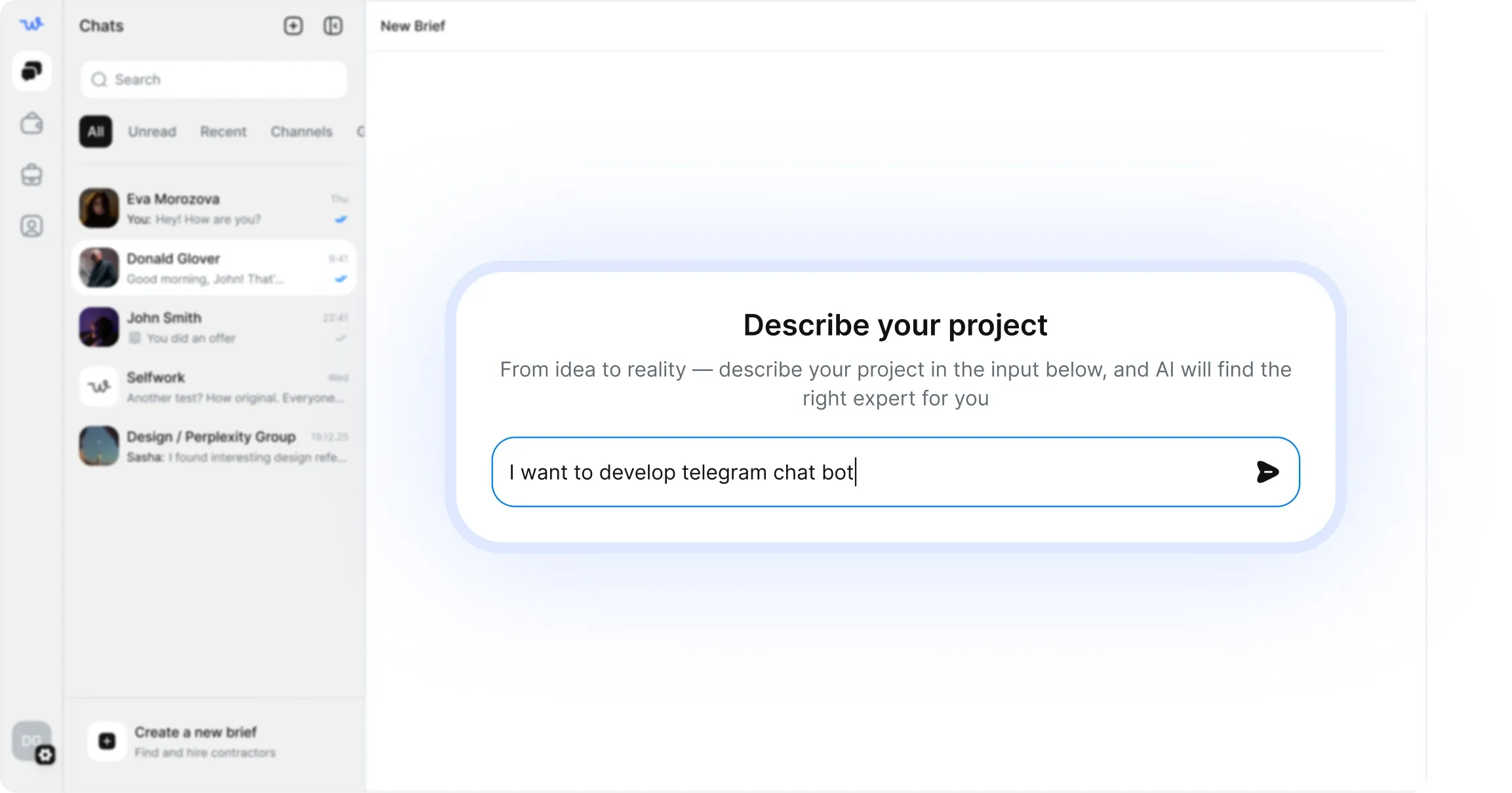
Post a clear brief
Describe your current stack, cloud provider, deployment flow, pain points, and target outcome. Mention whether you need migration, automation, monitoring, or operational support.
Review matched specialists
Compare DevOps Engineers by platform experience, recent work, tools, and relevant delivery patterns. Look for proof of cloud infrastructure, CI/CD ownership, and production reliability work.
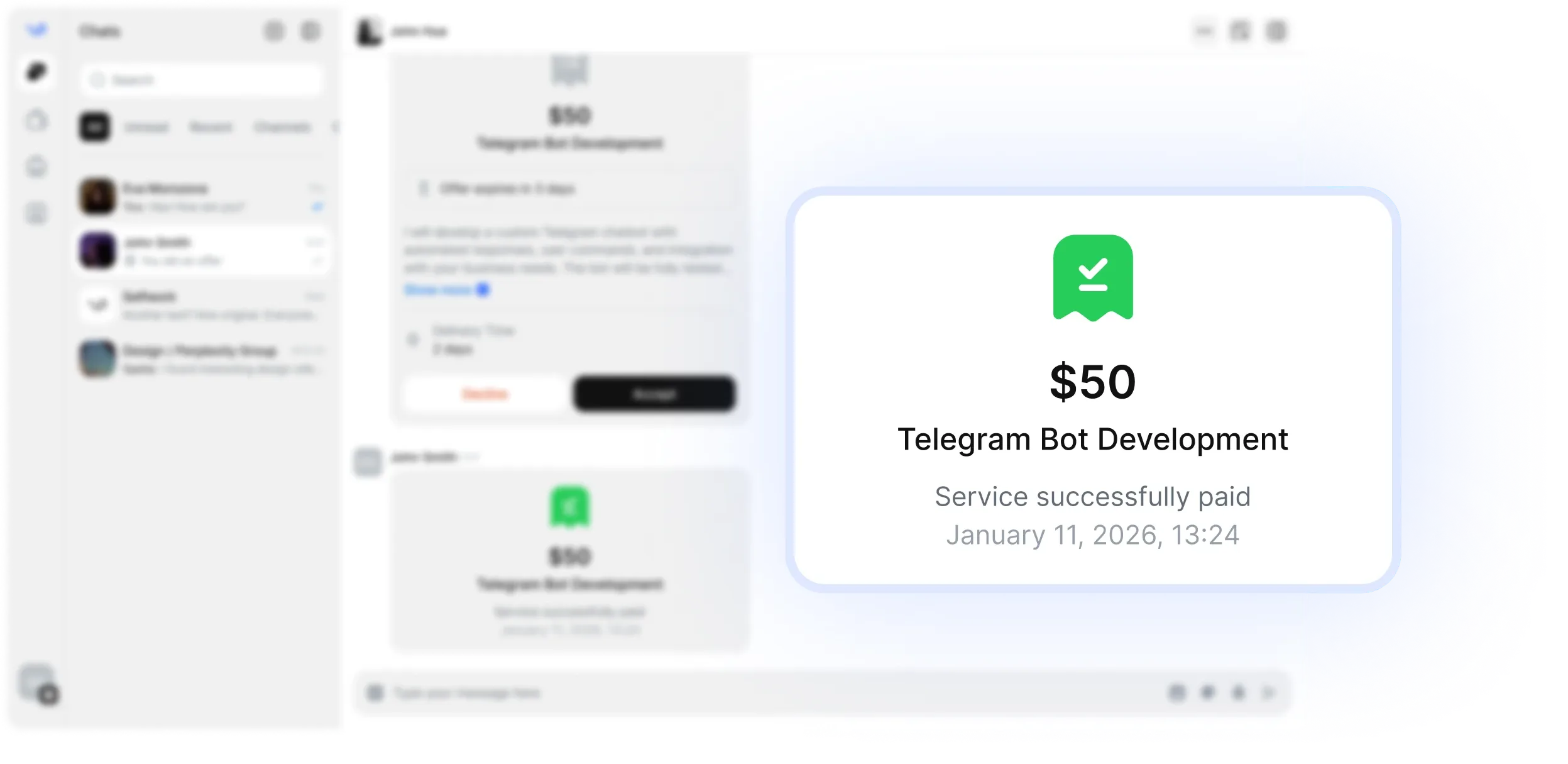
Agree on scope and milestones
Turn the work into concrete milestones such as pipeline fixes, cluster setup, Terraform modules, or alerting improvements. This reduces ambiguity and makes delivery easier to track.
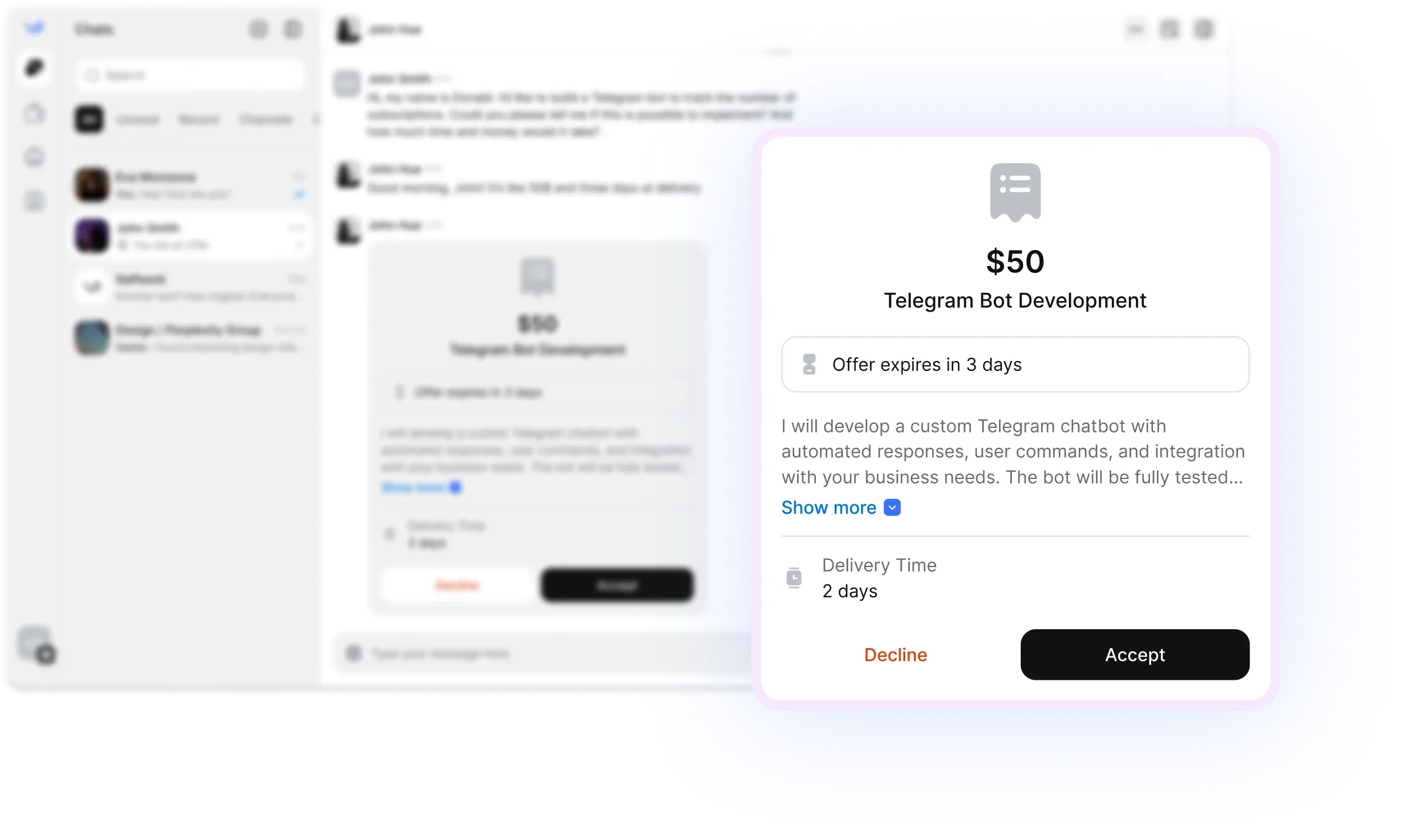
Fund escrow and start work
Once you are ready, move forward with escrow-backed payment and begin the project. You get a safer way to hire DevOps Engineers while keeping expectations and deliverables visible.
Common brief mistakes
The fastest way to slow down a DevOps search is to ask for “someone who knows cloud” without naming the real issue. Strong briefs include the provider, runtime, deployment cadence, failure modes, and the current tools in use.
Avoid these mistakes:
- Listing too many unrelated tools without explaining the system architecture
- Asking for Kubernetes, Terraform, and platform engineering when you only need pipeline cleanup
- Not mentioning whether production access, compliance, or secrets handling is part of the work
- Failing to define success metrics such as reduced deployment time, fewer failed builds, or improved uptime
- Leaving out the current repo structure, environments, and release process
A good brief helps a freelance DevOps Engineer estimate accurately and propose a real solution. It also helps remote DevOps Engineers decide whether they are the right fit before you waste time on back-and-forth.
Verification and escrow
Selfwork is designed to make it safer to hire DevOps Engineers for sensitive infrastructure work. Verification helps surface specialists with real platform experience, while escrow adds a payment layer that protects both sides during delivery.
That matters when a project involves cloud accounts, deployment permissions, container orchestration, or production monitoring. You want a specialist who can work independently, but you also want a process that keeps scope, timing, and payment clear.
For high-stakes work, start with a smaller milestone such as a pipeline audit, Terraform review, or Kubernetes assessment. Once the DevOps Engineer proves fit, expand into implementation or ongoing support.
FAQ
How do I hire DevOps Engineers for a one-time project?
Post a brief with your cloud provider, current stack, and the exact deliverable. A fixed-scope project is often best for audits, pipeline builds, and infrastructure changes with clear endpoints.
Can I hire remote DevOps Engineers for ongoing support?
Yes. Remote DevOps Engineers are a strong fit for maintenance, release support, monitoring improvements, and on-call-friendly operational work.
What tools should I mention in my brief?
List the cloud platform, container tooling, CI/CD system, infrastructure as code, and observability stack you already use, such as AWS, Docker, Kubernetes, Terraform, Jenkins, GitHub Actions, GitLab CI, Prometheus, or Grafana.
How do I know if I need a DevOps Engineer or an SRE?
If your main need is deployment automation, cloud setup, and infrastructure management, hire DevOps Engineers. If the focus is reliability engineering, SLOs, and production stability at scale, you may want someone with SRE experience as well.
Can a freelance DevOps Engineer work with my existing team?
Absolutely. Many freelance DevOps Engineers join existing engineering teams to improve pipelines, document environments, and unblock delivery without replacing internal staff.