Typical pricing for AWS freelancers
AWS pricing varies by project scope, seniority, and urgency. A small review or fix may take a few hours, while a migration or full platform build can run for days or weeks. Below is a practical guide for typical freelance AWS engagements.
| Project type |
Typical scope |
Common pricing model |
Typical range |
| Quick audit |
IAM review, cost check, deployment issue diagnosis |
Fixed fee or hourly |
$150–$600 |
| Infra setup |
VPC, EC2, S3, RDS, security groups, backups |
Fixed fee |
$600–$3,000 |
| IaC implementation |
Terraform or CloudFormation for repeatable environments |
Fixed fee or milestone-based |
$1,500–$6,000 |
| CI/CD and automation |
GitHub Actions, CodePipeline, Docker, deployment scripts |
Milestone-based |
$1,000–$5,000 |
| Migration project |
App or database migration, staging, testing, cutover |
Milestone-based |
$3,000–$15,000+ |
| Ongoing remote support |
Monitoring, patching, optimization, incident response |
Monthly retainer |
$500–$5,000+/month |
Costs depend on complexity, compliance needs, multi-account setups, and whether you need architecture plus implementation. If you hire AWS freelancers for regulated workloads, multi-region resilience, or deep DevOps automation, expect senior rates.
Formats and use cases
You can hire freelance AWS specialists in several formats depending on the problem you are solving:
- Architecture and planning — ideal when you need an AWS landing zone, service selection, or a scalable deployment strategy.
- Implementation sprints — good for setting up VPCs, security groups, load balancers, EC2, ECS, EKS, Lambda, S3, RDS, and monitoring.
- Migration projects — for moving apps, databases, storage, or monoliths into AWS with minimal downtime.
- Automation and DevOps — for CI/CD pipelines, infrastructure as code, containerization, release workflows, and environment parity.
- Security and compliance reviews — for IAM cleanup, secrets handling, audit readiness, logging, and least-privilege policies.
- Performance and cost optimization — for rightsizing, autoscaling, storage lifecycle rules, compute savings, and account cleanup.
- Ongoing remote AWS support — useful when your team needs a trusted specialist for maintenance, incident response, and monthly improvements.
How to hire AWS freelancers on Selfwork
- Define the outcome — Write down what must be working at the end: a migrated app, a safer IAM setup, lower monthly spend, or a production-ready deployment pipeline.
- Share the stack and constraints — Include AWS services in use, repo links, environment names, downtime limits, compliance requirements, and any current pain points.
- Review matched specialists — Compare AWS freelancers by experience, project fit, communication style, and proof of similar work.
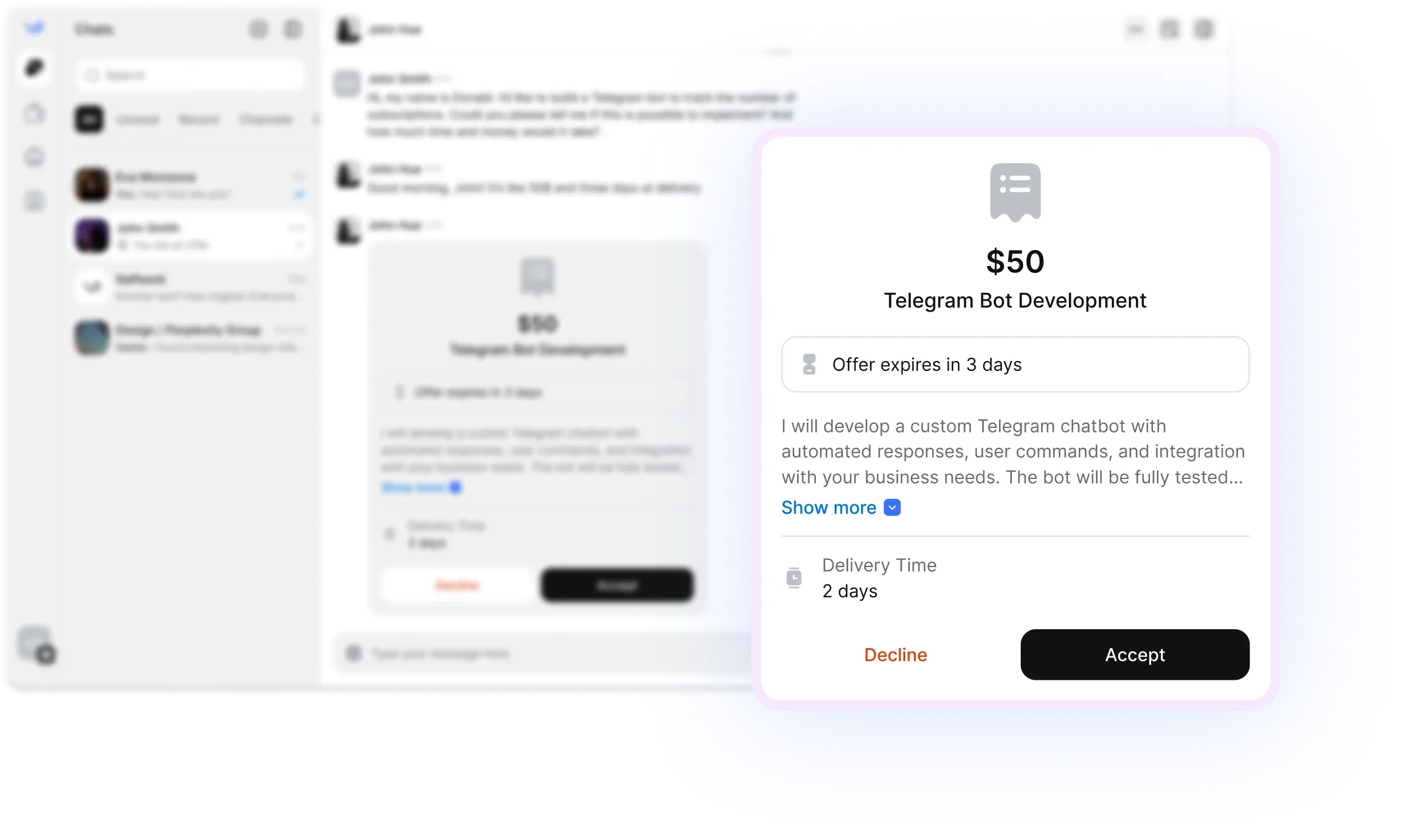
- Start with a clear milestone — Use escrow-backed delivery and begin with a focused task, such as an audit, architecture review, or first implementation phase.
Common brief mistakes to avoid
Many AWS projects slow down because the brief is too generic. Avoid these mistakes:
- Listing services without a goal — “Need help with AWS” is not enough. Say whether you want to deploy, migrate, secure, or reduce cost.
- Skipping environment detail — Mention accounts, regions, stages, domains, data stores, and deployment method.
- Leaving downtime undefined — A freelancer cannot plan cutover work without knowing acceptable outage windows.
- Ignoring access and approvals — Clarify who can provide IAM access, DNS changes, secrets, and production approvals.
- Underestimating documentation needs — If your team will inherit the setup, say so early and ask for diagrams and runbooks.
A good brief helps a remote AWS freelancer estimate accurately and reduces back-and-forth before work begins.
Verification and escrow
Selfwork is designed to make it safer to hire AWS freelancers for sensitive cloud work. Verified profiles help you evaluate real experience, while brief-led matching reduces the chance of hiring someone who is not aligned with your stack or scope.
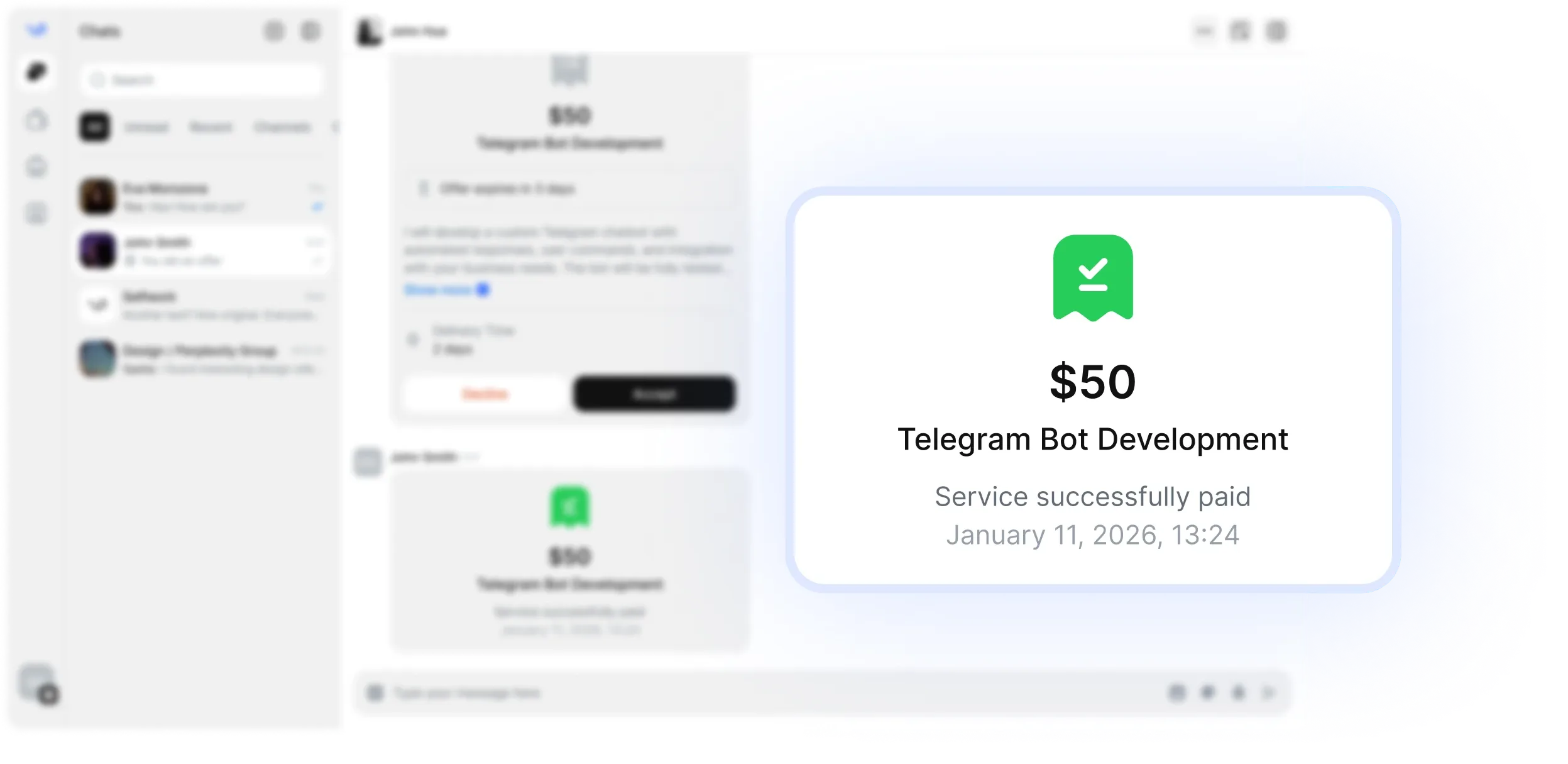
Escrow adds another layer of confidence. You can define milestones, fund work securely, and release payment when agreed deliverables are completed. That is especially useful for AWS migrations, infrastructure changes, and deployment work where each step should be tested before the next begins.
For security-heavy projects, look for AWS freelancers who can explain their approach to IAM, secrets management, backups, logging, and rollback plans in plain language. Clear communication is often as important as technical depth.
FAQ
How do I know if I need an AWS freelancer or a full-time engineer?
If the work is project-based, urgent, specialized, or tied to a specific migration or audit, a freelance AWS specialist is often the faster and more cost-effective choice.
Can AWS freelancers help with Terraform and CloudFormation?
Yes. Many freelance AWS experts work with infrastructure as code to create repeatable environments, reduce drift, and make deployments easier to maintain.
Can I hire AWS freelancers for ongoing support?
Yes. Many teams use remote AWS freelancers for monitoring, small improvements, cost optimization, security reviews, and ad hoc incident support.
What should I include in an AWS project brief?
Include your current architecture, target outcome, AWS services in use, timeline, budget, access constraints, security requirements, and expected deliverables.
Can an AWS freelancer help lower my monthly bill?
Yes. Cost optimization is a common engagement, including rightsizing, reserved capacity planning, storage cleanup, autoscaling, and better observability of spend drivers.