When you hire audio engineers on Selfwork, you can find specialists for music production, spoken-word cleanup, and post-production workflows without spending days searching across forums and portfolio sites. The best freelance audio engineer for your project is usually the one whose tools, credits, and turnaround match your brief exactly. Some engineers excel at surgical editing and restoration. Others are built for musicality, analog-style summing, or final delivery for streaming and broadcast.
Pricing
Audio engineering pricing depends on file count, edit complexity, turnaround, and deliverables. Simple podcast cleanup costs less than multitrack mixing or restoration work on damaged recordings. Use the table below as a practical starting point when planning your budget.
| Service type |
Typical brief |
Common price range |
| Podcast edit and cleanup |
Remove mistakes, level voices, add intros/outros, export final episode |
$60–$250 per episode |
| Dialogue cleanup / restoration |
Noise reduction, hum removal, room tone repair, de-click, de-ess |
$80–$400 per job |
| Music mixing |
Balance multitrack session, EQ, compression, automation, bounce stems |
$150–$900 per song |
| Mastering |
Final loudness, tonal polish, platform-safe export versions |
$40–$150 per track |
| Film / ad post-production audio |
Sync cleanup, mix refinement, deliverables for picture lock |
$200–$1,500+ per project |
| Ongoing remote engineering |
Recurring edits, session support, versioning, fast revisions |
Hourly or retainer pricing |
If your project includes live-recorded vocals, inconsistent levels, or damaged files, expect the quote to increase with restoration time. If you hire audio engineers for a repeatable format like a podcast or weekly content series, many freelancers will offer better rates for ongoing work.
Formats and use cases
Audio engineers on Selfwork commonly support:
- Music mixing for singles, EPs, albums, and demos
- Mastering for streaming, CD, and distribution-ready delivery
- Podcast editing for interviews, remote recordings, and branded shows
- Dialogue cleanup for documentaries, courses, commercials, and films
- Voice processing for ads, narration, audiobooks, and explainer videos
- Restoration work for hiss, hum, clipping, room echo, and file corruption
- Stem prep and session handoff for producers, labels, and mix teams
- Loudness normalization and platform-specific export versions
If you need a remote audio engineer, share your DAW preference, file format, sample rate, and reference sound. For music projects, mention genre, target loudness, and whether you want creative mixing or transparent cleanup. For spoken word, specify whether the deliverable should include edits only, edit plus mix, or full mastering for publication.
Four hiring steps on Selfwork
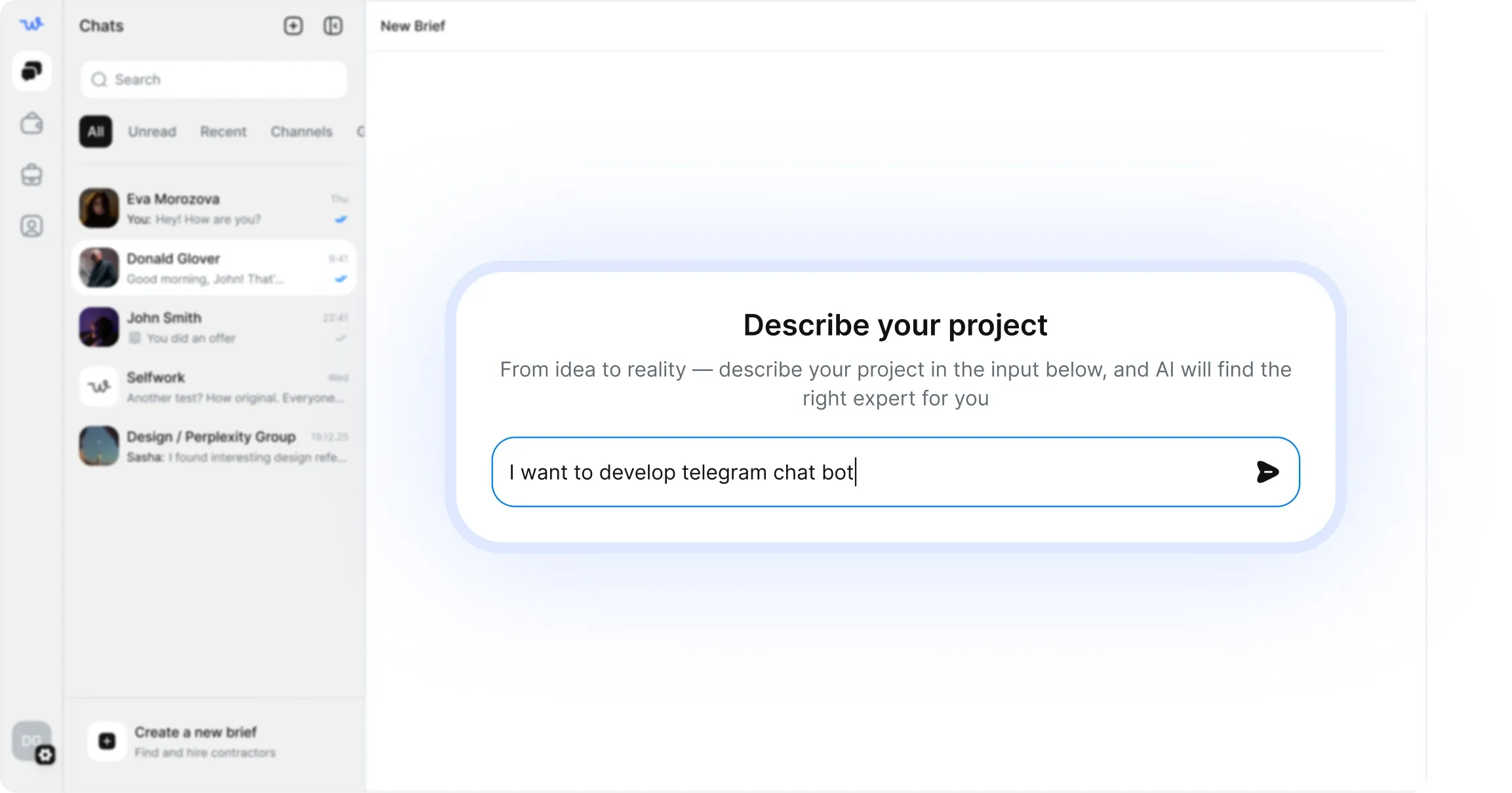
- Post a brief with your files, deadline, platform, and desired outcome.
- Review verified audio engineers with matching experience, tools, and credits.
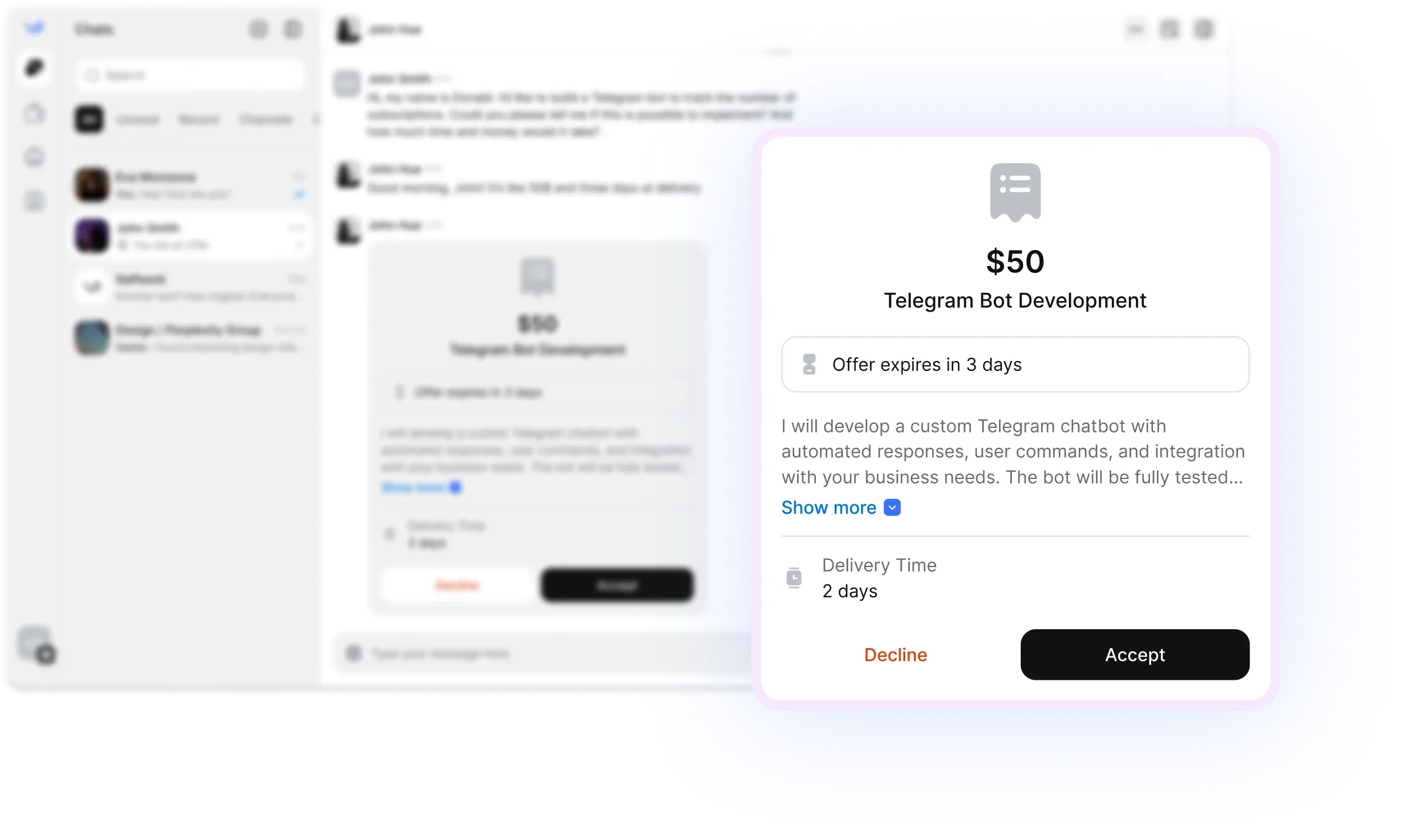
- Compare proposals, ask about revisions, and confirm deliverables before you hire.
- Fund the work through escrow and release payment when the approved files are delivered.
This process helps you hire audio engineers with less risk, clearer expectations, and faster turnaround.
Common brief mistakes
Many projects slow down because the brief is too vague. Avoid these mistakes:
- Not stating the source type: raw multitrack session, stereo mix, or single voice track
- Leaving out the target platform: Spotify, YouTube, podcast hosts, broadcast, film, or social media
- Skipping reference tracks: engineers need a sonic target for tone and loudness
- Forgetting revision limits: define how many rounds are included
- Not mentioning file delivery: WAV, MP3, stems, split tracks, or session files
- Underestimating restoration work: noisy or clipped recordings take longer than clean audio
- Omitting timing constraints: if you need a same-day or next-day turnaround, say so upfront
A strong brief helps freelance audio engineers quote accurately and start faster. It also reduces unnecessary revisions and helps the engineer choose the right plugin chain, cleanup workflow, and export settings.
Verification and escrow
Selfwork helps you hire audio engineers with more confidence by combining profile verification, portfolio review, and escrow-backed payment. Verification is especially useful when you are trusting someone with source recordings, unreleased music, or client-facing podcast content.
Escrow protects both sides. You fund the job up front, the engineer completes the agreed work, and payment is released after delivery approval. That makes it easier to bring on a remote audio engineer for one-off support or an ongoing collaboration without paying before work is delivered.
Look for engineers who can show relevant credits, consistent turnaround, and clear communication. If a freelancer specializes in a specific format, such as podcast editing or music mastering, check that their samples reflect the kind of audio you need fixed or finished.
FAQ
Can I hire audio engineers for just one track or one episode?
Yes. Many freelancers take single-song, single-episode, or one-off cleanup jobs, especially when the brief is clear and the deliverables are specific.
What files should I send to an audio engineer?
Send the highest-quality source files you have: multitrack sessions, WAV stems, raw voice recordings, or picture-lock audio plus reference notes. Include sample rate, bit depth, and export preferences if you know them.
Do audio engineers work remotely?
Yes. A remote audio engineer can mix, master, clean, and prepare deliverables from shared files as long as you provide organized assets and clear instructions.
What is the difference between mixing and mastering?
Mixing balances and shapes individual tracks inside a session. Mastering is the final polish on the completed stereo mix to improve consistency, loudness, and playback translation.
How fast can I hire audio engineers on Selfwork?
If your brief is ready, you can often review matched specialists and move forward quickly. Projects with clear files, references, and deadlines tend to get the fastest responses.