Pricing for app developers
App developer pricing depends on platform, complexity, and delivery scope. A simple prototype is priced very differently from a multi-role product with payments, chat, analytics, and release management. Use the ranges below as a practical starting point when you plan to hire app developers.
| Project type |
Typical format |
Typical price range |
Best for |
| UI implementation for one screen flow |
Fixed scope |
$300–$1,500 |
Landing flows, onboarding, settings, and feature screens |
| Small app MVP |
Fixed project |
$2,000–$8,000 |
Startup validation, internal tools, simple consumer apps |
| Cross-platform app build |
Fixed project or milestone |
$5,000–$20,000 |
React Native or Flutter apps for iOS and Android |
| Native iOS or Android feature work |
Hourly or milestone |
$40–$120/hr |
Existing apps needing new features, fixes, or refactors |
| Complex product build |
Milestone-based |
$15,000–$60,000+ |
Marketplaces, subscriptions, chat, dashboards, or backend-heavy apps |
| Ongoing maintenance and releases |
Retainer |
$800–$4,000/mo |
Bug fixes, store updates, OS compatibility, and iteration |
If you plan to hire app developers for a larger product, ask for milestone pricing tied to outcomes: design handoff, core flows, beta release, bug fixing, and launch readiness. That structure reduces risk and makes progress easier to track.
Formats and use-cases
There are several ways to work with freelance app developers, and the best format depends on how defined your product already is.
- Fixed-scope builds: Best when the app features are clearly listed and the screens are already designed. Ideal for MVPs, internal tools, and small standalone apps.
- Milestone-based delivery: Best for products with multiple phases, such as discovery, build, QA, release, and post-launch support.
- Hourly support: Best for bug fixes, code reviews, performance optimization, app store issues, and feature iteration inside an existing codebase.
- Retained support: Best when you need ongoing remote app developers to ship new releases every week or month.
Common use-cases include:
- iOS app development in Swift or SwiftUI
- Android app development in Kotlin or Jetpack Compose
- React Native and Flutter cross-platform builds
- Backend-connected apps with Firebase, Supabase, Node.js, or custom APIs
- Product updates like push notifications, authentication, payments, subscriptions, geolocation, and offline mode
- App store submission support, release notes, and post-launch maintenance
If you hire app developers for an existing product, share current repo access, crash reports, analytics, and known device issues. That helps the specialist estimate work accurately and avoid discovery delays.
Four hiring steps on Selfwork
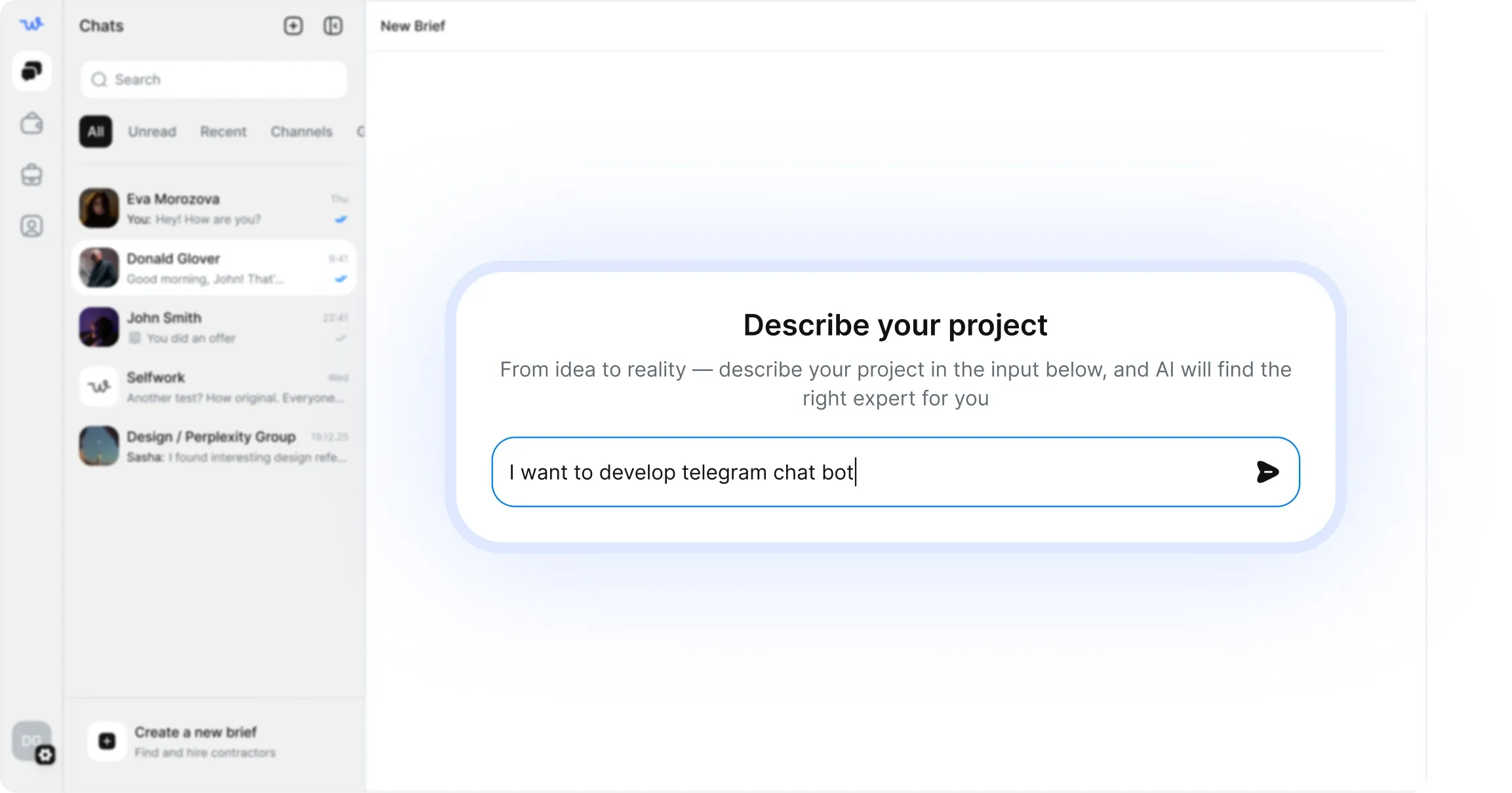
Post a precise brief
Describe the product, target users, platforms, budget, timeline, and the features that matter most. Include links to Figma, staging builds, API docs, and examples of similar apps.
Review matched specialists
Compare freelance app developers by portfolio, platform focus, shipping experience, and availability. Filter for iOS, Android, React Native, Flutter, or backend-connected app expertise.
Shortlist and clarify scope
Message candidates with your technical requirements, release goals, and any constraints. Strong remote app developers will ask about edge cases, approval flows, and dependencies before quoting.
Start with protection in place
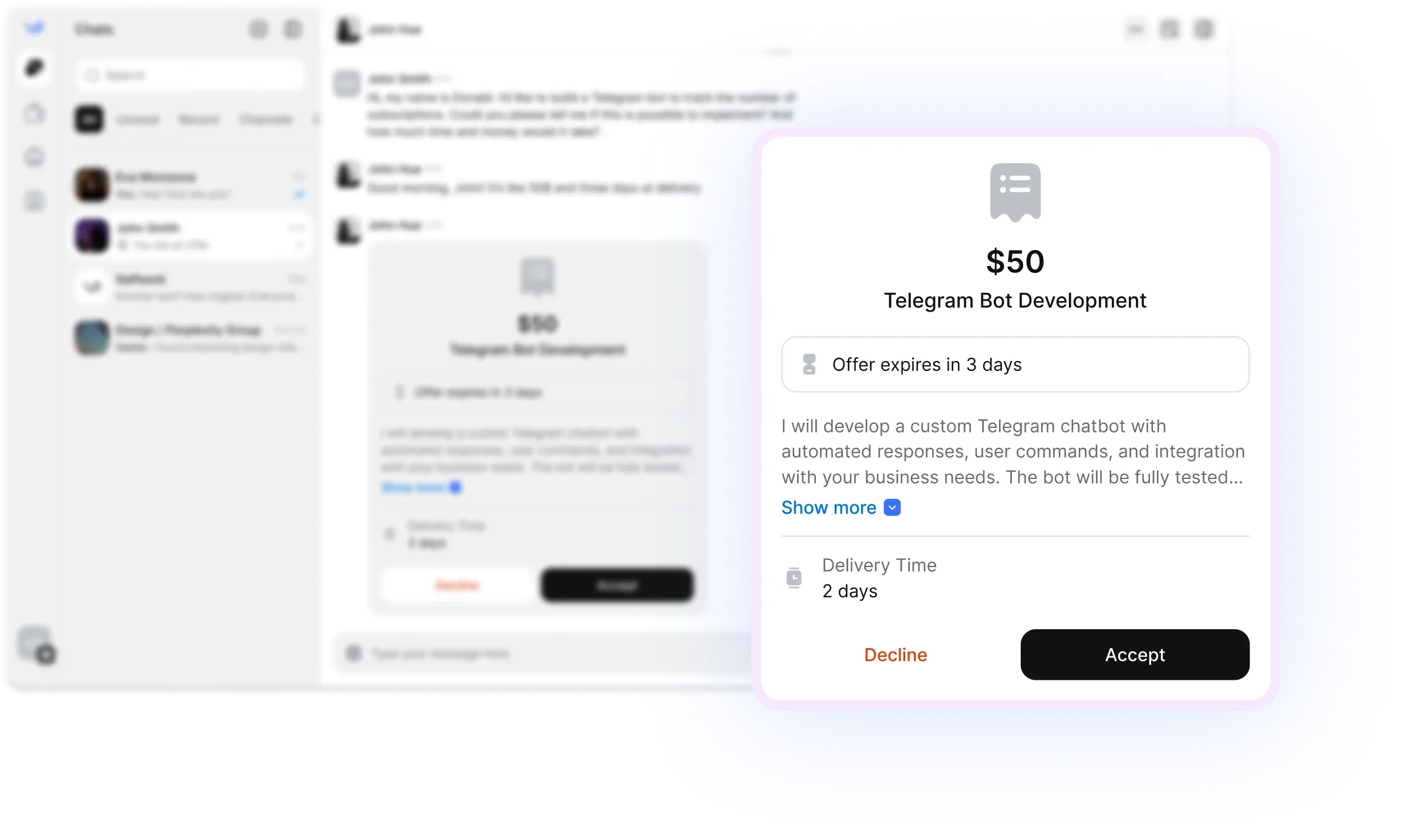
Confirm the milestone plan, agree on deliverables, and release funds through escrow. This keeps the project organized and protects both sides while work is in progress.
Common brief mistakes to avoid
A weak brief is the fastest way to overpay or delay a mobile project. Avoid these common mistakes when you hire app developers:
- Undefined platform choice: Saying “build an app” without specifying iOS, Android, or cross-platform.
- Missing feature priorities: Listing everything as urgent instead of separating must-haves from nice-to-haves.
- No backend clarity: Not explaining whether Firebase, Supabase, or a custom API is already available.
- No design source: Asking for implementation without sharing Figma files, brand assets, or wireframes.
- Unrealistic timeline: Expecting a polished app store launch in a few days for a complex product.
- Skipping QA scope: Not defining device testing, edge cases, or bug-fix responsibility after handoff.
- No release plan: Forgetting app store submission, developer account access, compliance, and release approvals.
The best freelance app developers can work quickly, but they still need a realistic scope. Clear requirements lead to better estimates, fewer revisions, and smoother launches.
Verification and escrow
Selfwork is built to make it safer to hire app developers online. Verified specialists help reduce the risk of low-quality code, missed deadlines, and unclear communication. Look for profiles with completed work, relevant platform experience, and proof that they have shipped real apps rather than only prototypes.
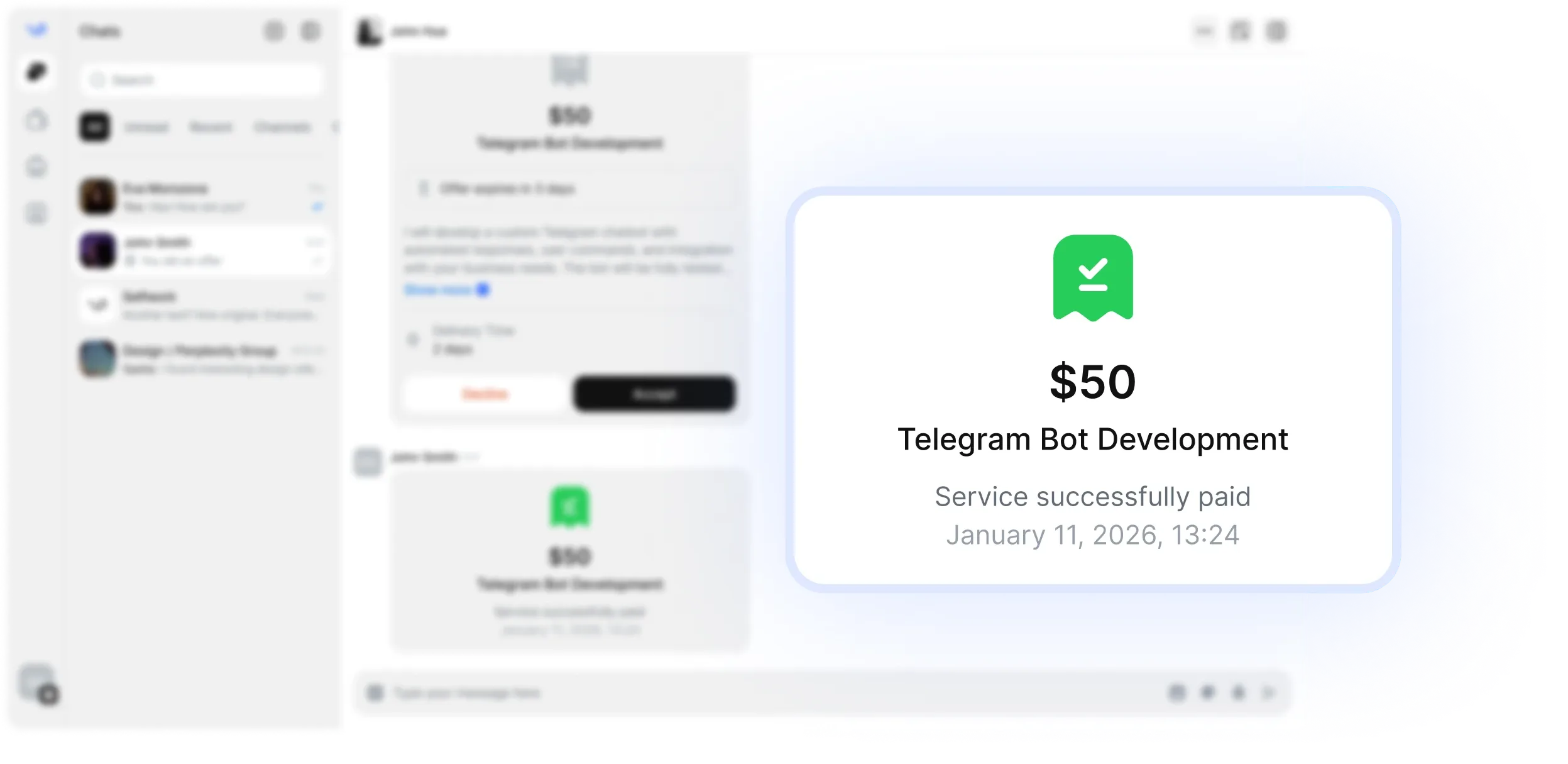
Escrow adds another layer of protection. Funds are held while work is underway and released when agreed milestones are delivered. That is especially useful when you hire app developers for a first-time build, a redesign, or a migration from one framework to another.
For mobile work, verification should matter because app delivery often includes multiple moving parts: code quality, API integration, responsive UI, device testing, store policies, and final release management. A structured process makes it easier to collaborate with remote app developers and maintain momentum from kickoff to launch.
FAQ
How do I hire app developers for an MVP?
Start with a short spec: target users, core features, platforms, and launch deadline. Then shortlist freelance app developers who have shipped similar MVPs in React Native, Flutter, Swift, or Kotlin.
Should I hire one developer or a team?
A single senior app developer can handle smaller MVPs and feature work. For larger products with design, backend, QA, and release needs, a small team or a developer plus specialist support is often faster.
What should I include in an app development brief?
Include platform, feature list, Figma links, backend status, authentication rules, payment requirements, analytics, push notifications, and whether you need app store submission support.
Can remote app developers work with my existing codebase?
Yes. Many remote app developers specialize in inheriting apps, fixing bugs, improving performance, and adding features to existing iOS, Android, React Native, or Flutter projects.
How do I compare app developers fairly?
Compare similar shipped projects, platform match, estimated delivery time, communication quality, and whether the developer has experience with the specific features you need, such as login, subscriptions, APIs, or store release work.