Pricing for Angular freelancers
Pricing depends on seniority, complexity, and whether you need a build from scratch, an upgrade, or ongoing support. Most clients hire Angular freelancers on hourly, fixed-price, or milestone-based terms.
| Engagement type |
Best for |
Typical rate range |
Notes |
| Junior to mid-level Angular freelancer |
Small feature work, bug fixes, UI tasks |
$25–$60/hr |
Best when the architecture is already in place and tasks are well defined |
| Senior Angular freelancer |
Product builds, complex components, API-heavy apps |
$60–$120/hr |
Strong choice for greenfield development, refactors, and performance work |
| Angular migration specialist |
Upgrades, legacy cleanup, version moves |
$70–$140/hr |
Useful when the codebase is fragile or multiple releases behind |
| Dedicated remote Angular freelancer |
Ongoing product support, sprint delivery, team extension |
$2,500–$12,000+/month |
Good for consistent output across releases and roadmap items |
| Fixed-scope project |
Landing pages, dashboards, feature modules |
$500–$25,000+ |
Depends on scope, QA, integrations, and testing requirements |
Formats and use cases
Angular freelancers are a fit for a wide range of frontend work:
- SaaS product interfaces with reusable component systems
- Admin dashboards and internal tools with complex forms and tables
- Customer portals, onboarding flows, and authenticated app experiences
- E-commerce front ends that need structured state, search, filters, and checkout logic
- Legacy Angular codebase rescue work, including dependency cleanup and test coverage improvement
- Version upgrades, including Angular CLI updates, RxJS changes, and module refactoring
- API integration with REST or GraphQL backends
- Performance optimization, lazy loading, bundle reduction, and route-level code splitting
- Accessibility improvements and responsive UI polish
- Testing and QA support with Jasmine, Karma, Cypress, or Playwright
If you want to hire Angular freelancers for a short burst, define the feature list and delivery target. If you need a remote Angular freelancer for a longer engagement, document your product goals, current codebase state, release cadence, and collaboration expectations. The more concrete the brief, the better the match.
Four steps to hire on Selfwork
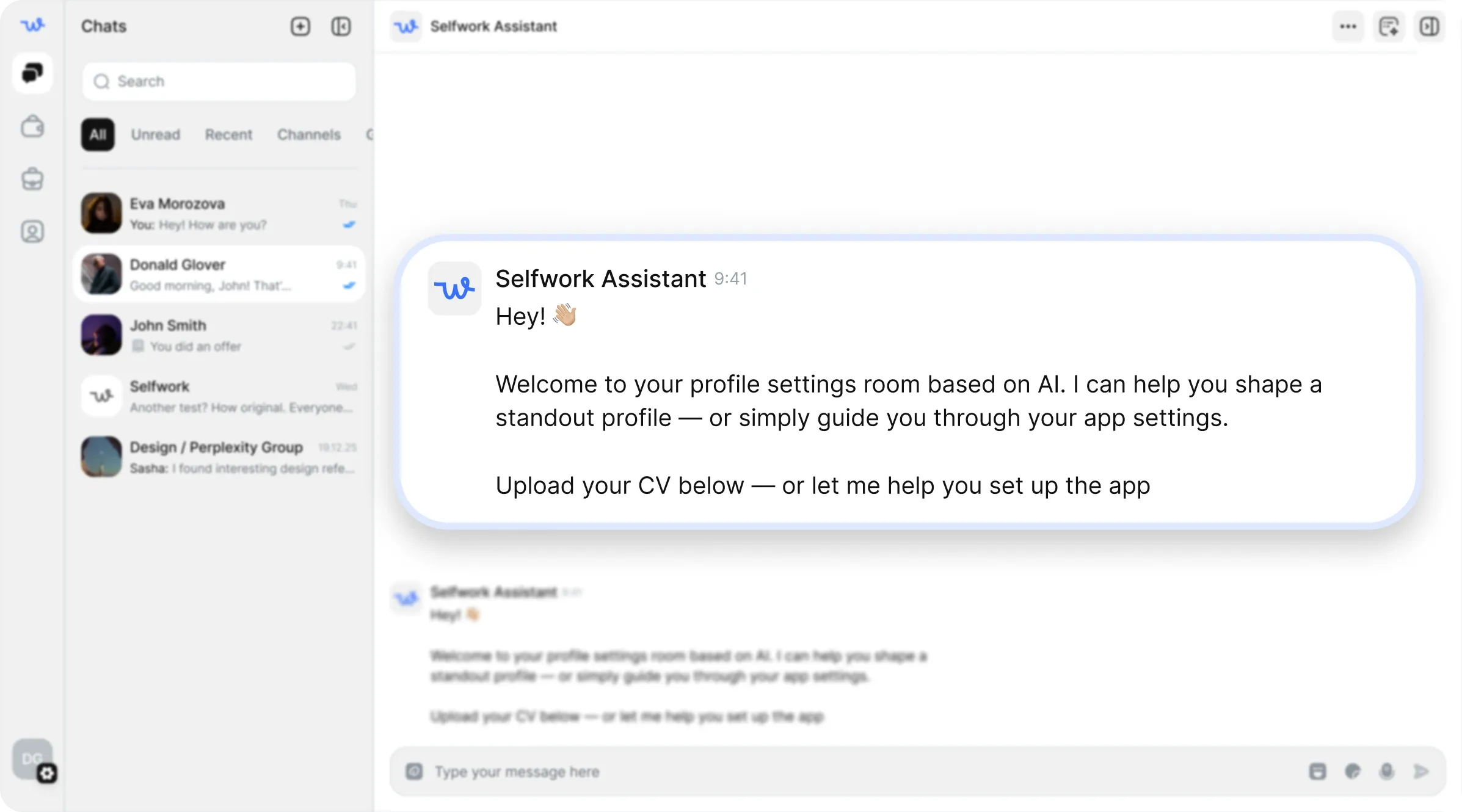
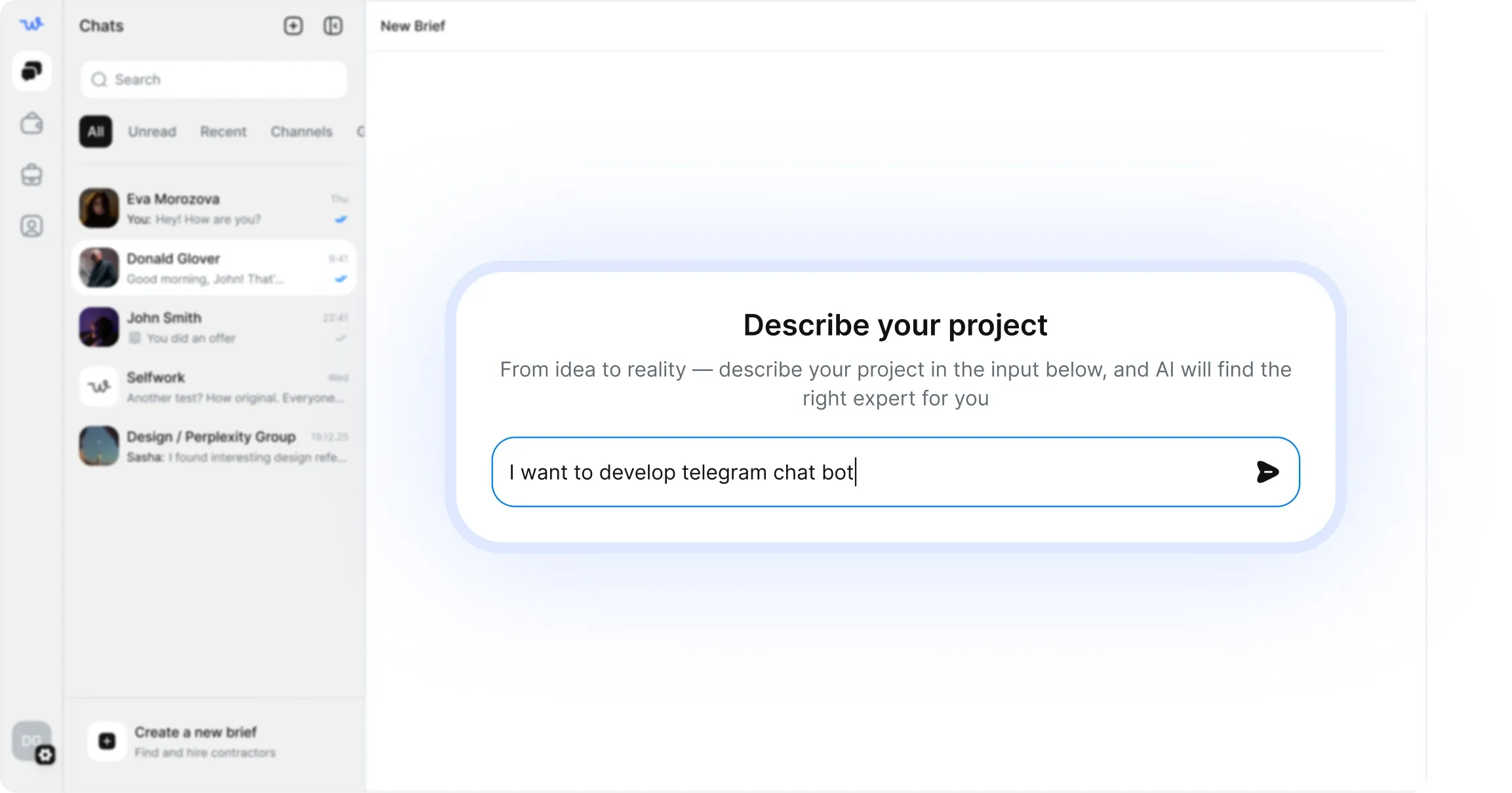
Describe the project
Share your product type, current Angular version, feature list, timeline, and any blockers. Include whether you need a build, migration, refactor, or maintenance support.
Review verified freelancers
Selfwork surfaces Angular freelancers with relevant portfolios, technical experience, and prior work examples. You can compare candidates based on stack fit, communication style, and availability.
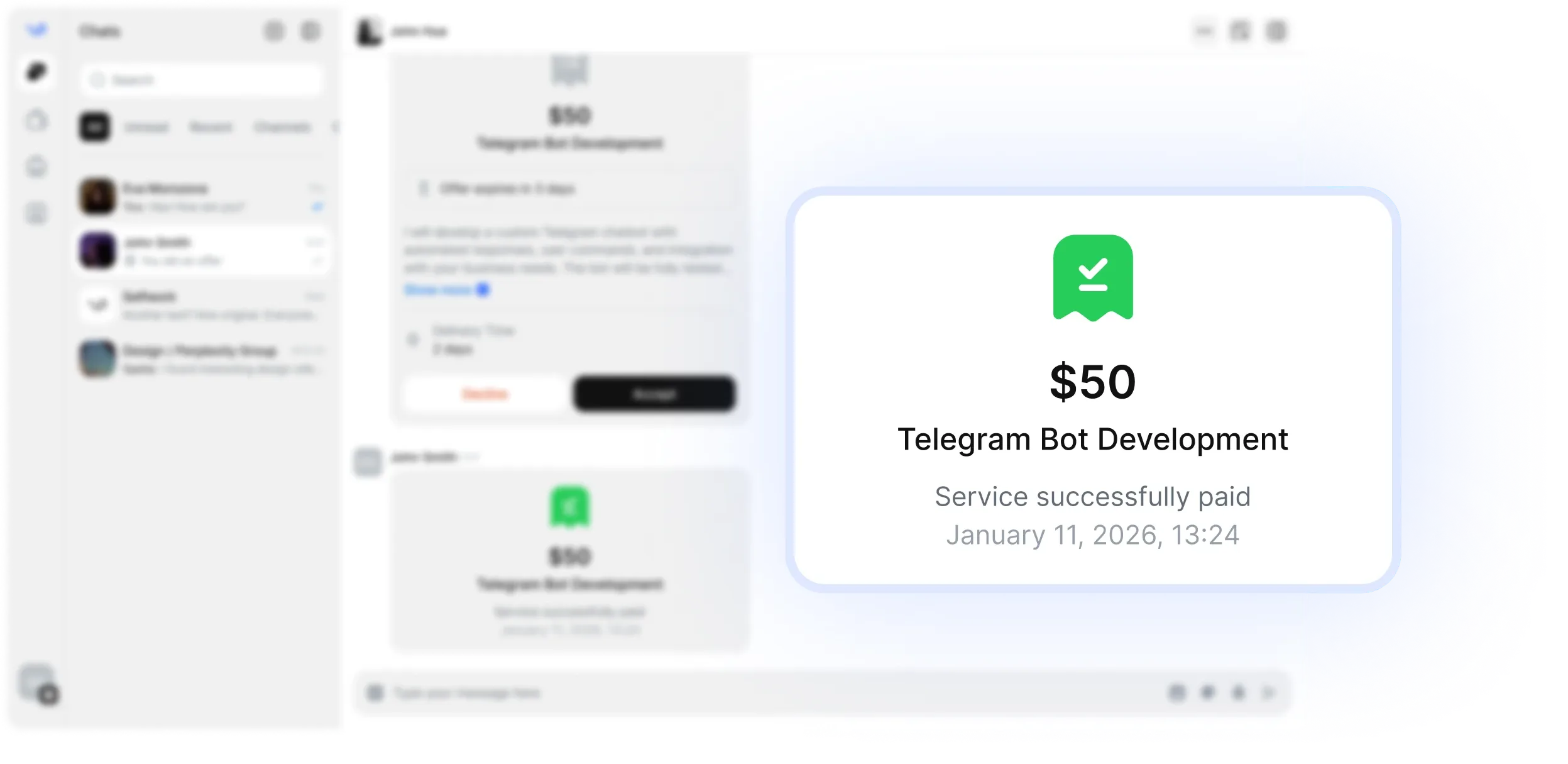
Discuss scope and milestones
Confirm deliverables, estimate complexity, define QA expectations, and agree on milestones. For a freelance Angular developer, this is where you align on component ownership, API contracts, and test coverage.
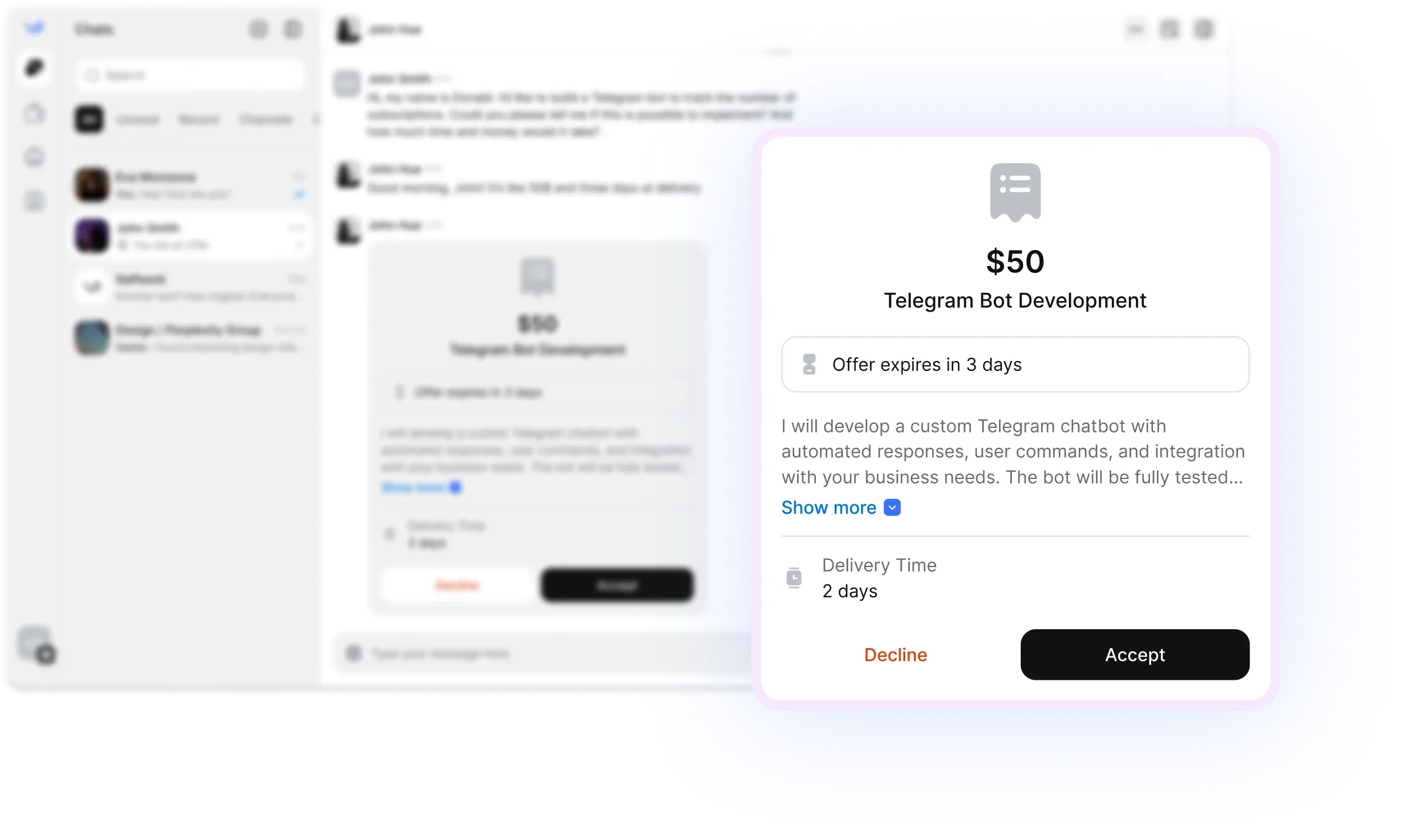
Start safely with escrow
Fund the project through escrow, begin work, and release payment when agreed milestones are delivered. That gives both sides clarity and protects the hiring process.
Common brief mistakes to avoid
A strong brief helps you hire Angular freelancers faster. The most common mistakes are:
- Saying “need Angular help” without naming the actual task
- Not specifying Angular version, RxJS usage, or NgRx/state architecture
- Leaving out API details, authentication flow, or backend dependencies
- Ignoring responsive behavior, accessibility, or browser support requirements
- Underestimating testing, code review, and QA time
- Failing to mention whether the freelancer must work inside an existing repo or create a new one
- Not defining ownership for design assets, environments, or deployment access
Good briefs include screenshots, user stories, acceptance criteria, and examples of the behavior you want. If you want a remote Angular freelancer to move quickly, give them enough structure to estimate accurately.
Verification and escrow
Selfwork is built to make hiring safer. Angular freelancers on the platform are verified through profile checks and work history review, so you can evaluate experience before you commit. Escrow adds another layer of protection by holding funds until the agreed work is completed.
That matters especially for frontend projects, where scope can expand quickly and timelines can slip if requirements are not clear. Using escrow encourages better milestone planning, more transparent communication, and a cleaner handoff when the work is done.
FAQ
Can Angular freelancers work with legacy AngularJS or older Angular versions?
Yes, many can handle upgrades, refactors, and transition plans, but you should specify the exact version and codebase condition in the brief.
Should I hire an Angular freelancer or a full-time developer?
Hire a freelancer when you need speed, specialized expertise, or flexible capacity. A full-time hire is better if Angular is a core, ongoing function of your team.
What should I include when I hire Angular freelancers?
Include the app type, Angular version, feature list, API details, deadlines, acceptance criteria, and whether you need testing, deployment, or ongoing maintenance.
Can a remote Angular freelancer join my existing team?
Yes. Many Angular freelancers work as sprint contributors, collaborating with product managers, designers, backend engineers, and QA teams.
Do Angular freelancers handle both UI and backend integration?
Many do, especially if your stack includes Node.js, Firebase, or REST APIs. For larger systems, you can also pair a frontend freelancer with a separate backend specialist.