Pricing for Android developers
Android developer pricing varies by scope, seniority, and whether the project is a greenfield build, a redesign, or a rescue mission. Below is a practical reference for common hiring scenarios.
| Project type |
Typical rate range |
Best for |
| Bug fixes and small feature work |
$25–$60/hr |
Crash fixes, UI polish, API tweaks, minor releases |
| MVP build |
$40–$90/hr |
Startups, first app versions, validation projects |
| Mid-level product work |
$60–$120/hr |
Ongoing app development, architecture improvements, sprint delivery |
| Senior/lead Android work |
$90–$160+/hr |
Complex apps, migration planning, scaling, performance tuning |
| Fixed-price sprint |
$500–$8,000+ |
Clearly scoped tasks with defined deliverables |
For most teams, the best way to hire Android developers is to define the release goal first, then choose the format that fits the timeline. If the brief is narrow and measurable, fixed-price can work well. If the app is evolving quickly, hourly or milestone-based delivery is usually safer.
Formats and use-cases
You can hire Android developers for many kinds of work:
- MVP app builds: launch a first version with login, onboarding, payments, notifications, and analytics.
- Feature sprints: add chat, maps, in-app purchases, subscriptions, bookings, or account management.
- UI modernization: move old screens into Jetpack Compose, improve navigation, and clean up layout performance.
- Legacy maintenance: support older Java apps, fix regressions, and reduce crash rates.
- Backend integration: connect Android apps to REST APIs, GraphQL, Firebase, or custom auth systems.
- Performance work: improve startup time, battery usage, memory consumption, scrolling, and network efficiency.
- Store release support: prepare Play Store assets, versioning, signing, testing, and review fixes.
- Team augmentation: add a remote Android developer to your product squad for a release cycle or longer.
Common tools and platforms include Android Studio, Kotlin, Java, Jetpack Compose, XML, Firebase, Retrofit, Room, Hilt, Git, Gradle, and Google Play Console. If your brief includes specialized requirements such as camera flows, location services, offline-first sync, push notifications, or device-specific support, mention those early so the right freelance Android developer can estimate accurately.
Four hiring steps on Selfwork
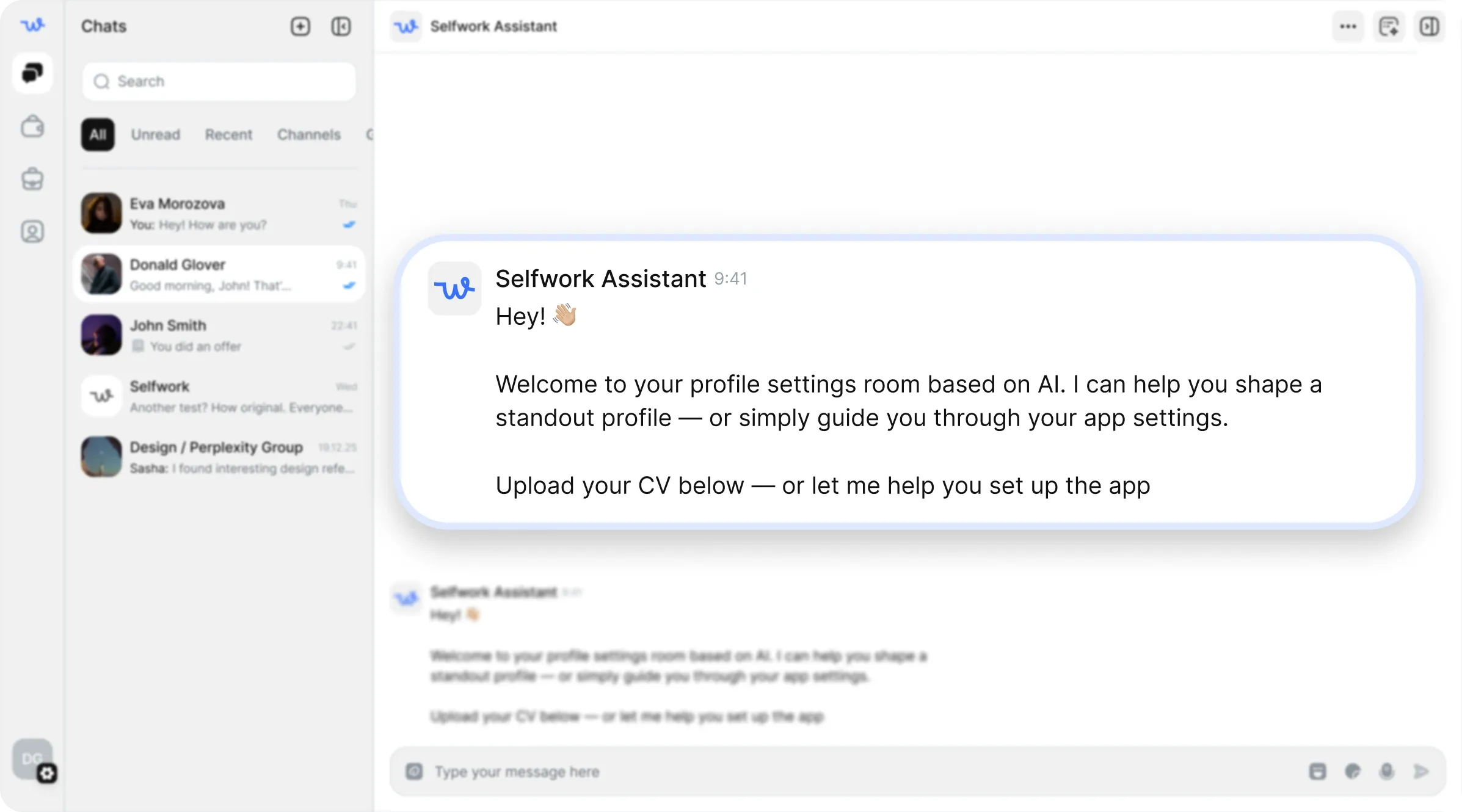
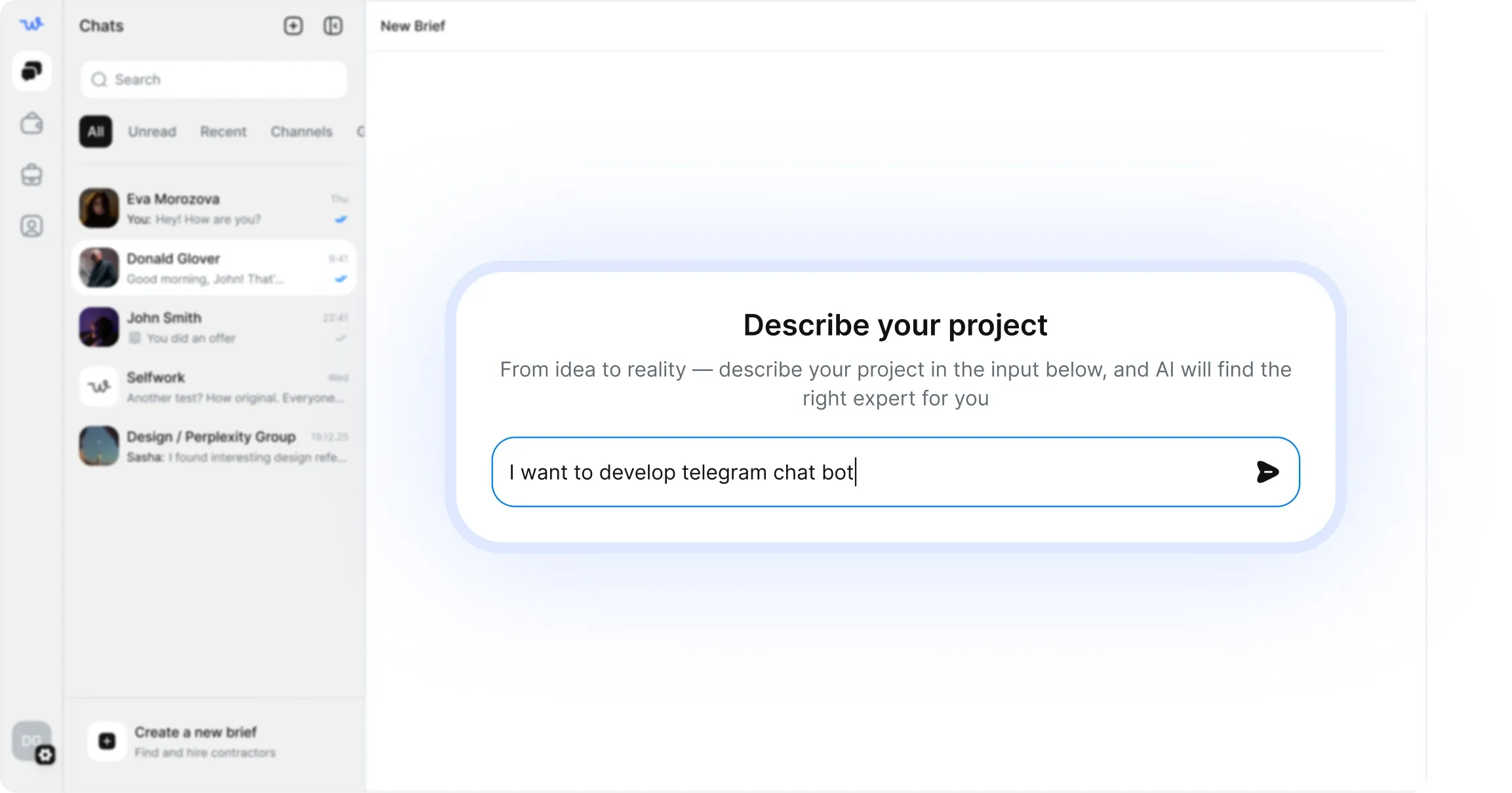
Write a clear brief
Describe the app, user goal, tech stack, deadline, and what success looks like. Include mockups, repo access needs, API docs, and device targets where possible.
Review matching Android developers
Compare profiles by Kotlin and Java experience, app categories, release history, and availability. Look for evidence of similar work, not just generic claims.
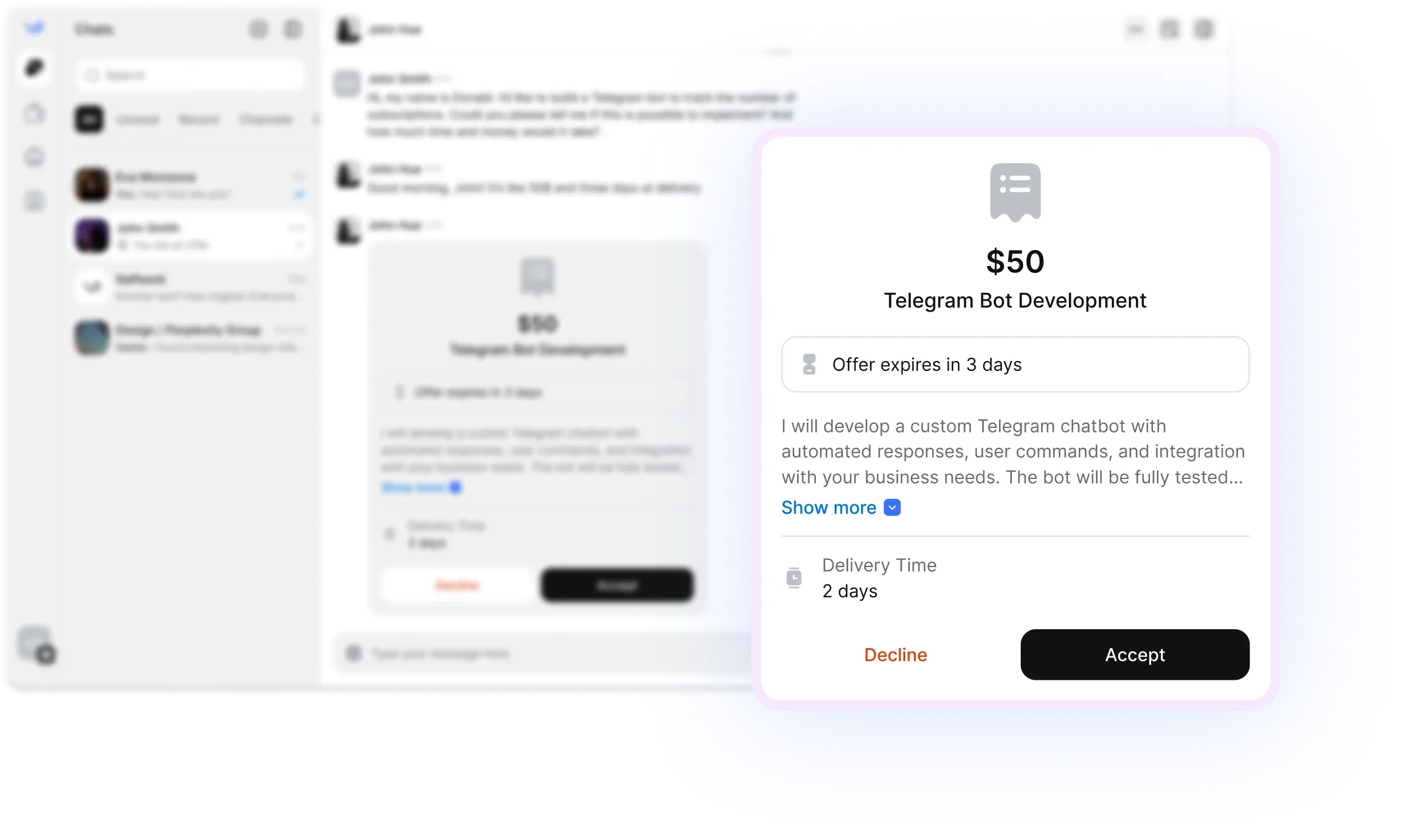
Agree on scope and milestones
Break the project into deliverables such as authentication, navigation, core screens, testing, and release preparation. Confirm the estimate before work begins.
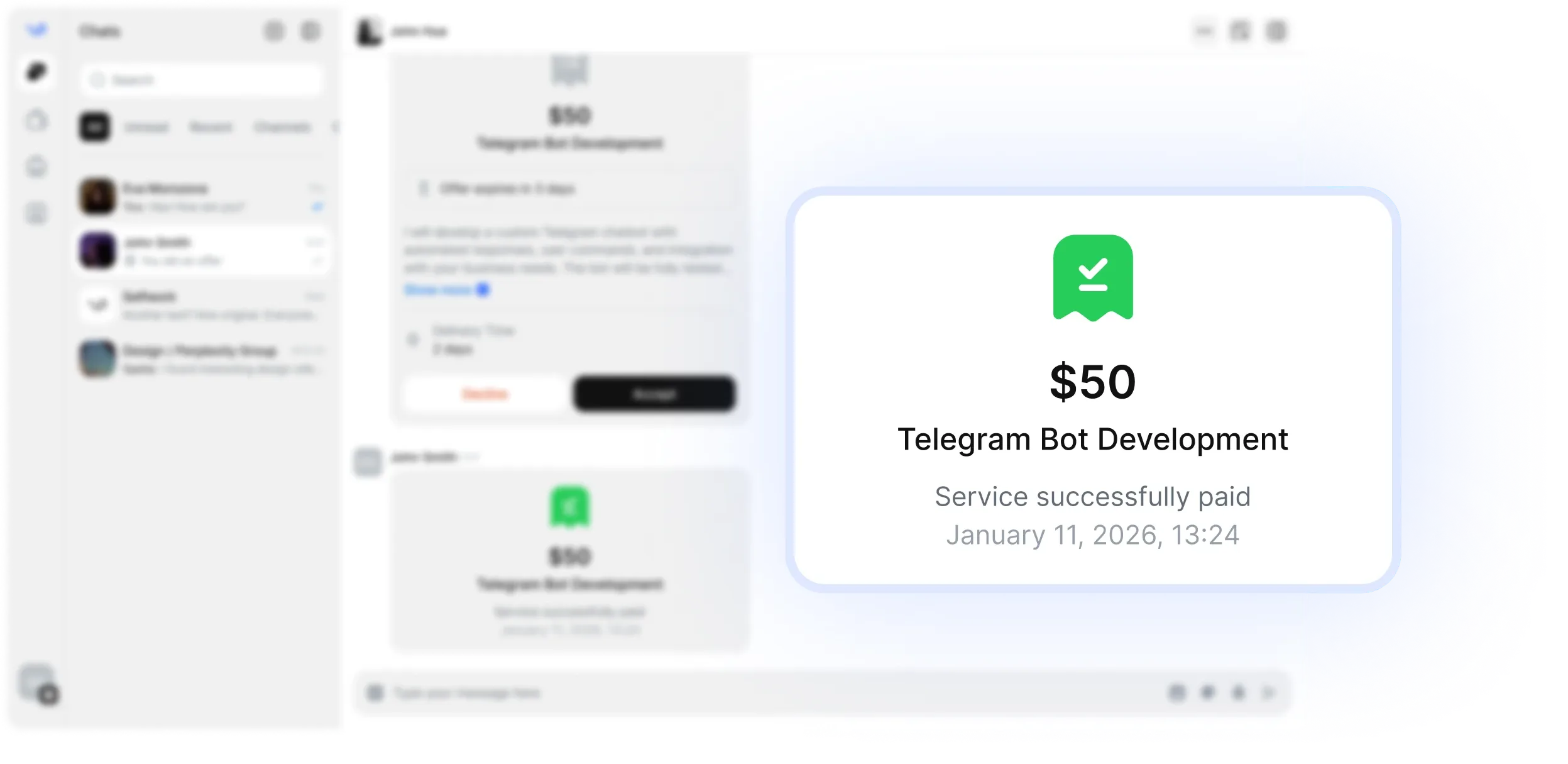
Fund safely and ship with confidence
Use escrow-backed milestones so payment is tied to progress. This keeps the process organized, lowers risk, and helps both sides focus on shipping.
Common brief mistakes
The fastest way to slow down an Android project is to give a brief that is too broad. Avoid these common mistakes:
- Undefined device scope: say which Android versions and device types matter.
- Missing design references: include Figma files, screenshots, or examples.
- Unclear backend status: note whether APIs already exist or still need building.
- No release target: specify the Play Store deadline or sprint goal.
- Incomplete feature logic: explain edge cases like offline mode, guest users, or subscription states.
- No acceptance criteria: define what “done” means for each milestone.
A precise brief helps you hire Android developers faster because specialists can estimate properly and avoid assumptions. It also improves the quality of the first delivery, which saves time later in QA and revision cycles.
Verification and escrow
Selfwork is designed to make remote hiring feel more controlled. Verified specialists help reduce uncertainty, and escrow creates a safer transaction flow for milestone-based work. That matters when you hire Android developers for production apps, because app delivery often depends on many moving parts: APIs, test builds, store policies, and device compatibility.
Escrow is especially useful when your project has multiple checkpoints, such as design handoff, feature completion, QA fixes, and final release. Each step can be tied to a milestone, so you only release funds when the agreed output is delivered. For freelance Android developers, this creates a professional workflow that rewards clear communication and on-time execution.
FAQ
How do I hire Android developers for a Kotlin app?
Start with your tech stack, current codebase, and feature list. Mention whether the developer should work in Jetpack Compose or XML, and whether the app needs Firebase, Room, or backend integrations.
Can I hire a remote Android developer for a short sprint?
Yes. Short sprints work well for bug fixes, UI improvements, store submission prep, and one-feature builds. The key is to define the outcome and the deadline clearly.
What should I include in an Android developer brief?
Include the app goal, target users, Android versions, API status, design files, required features, analytics, test devices, and launch timeline.
Should I hire Android developers with Java or Kotlin experience?
Kotlin is the modern default for most new work, but Java is still useful for legacy apps and maintenance. If your project is old or partially migrated, choose someone comfortable with both.
How do I know the developer can handle Play Store release work?
Look for profiles that mention signing, versioning, testing, release checks, and Play Console experience. If release support is critical, make it a milestone in the brief.