Pricing for AI Agent Developers depends on scope, model complexity, and integration depth. A simple prototype may cost less than a production build that includes evals, logging, permissions, and deployment hardening. Use the table below as a practical starting point when you hire AI Agent Developers.
| Engagement type |
Typical scope |
Typical price range |
| Quick prototype |
Prompt flows, basic tool use, simple demo |
$500–$2,000 |
| MVP agent build |
Retrieval, APIs, memory, guardrails, testing |
$2,000–$8,000 |
| Production system |
Multi-step orchestration, monitoring, auth, deployment |
$8,000–$25,000+ |
| Ongoing remote support |
Iteration, tuning, new tools, bug fixes |
$40–$150/hr |
Formats and use cases vary widely, so it helps to match the hiring model to the deliverable. Hire AI Agent Developers for:
- Internal knowledge assistants that search docs, answer questions, and cite sources
- Customer support copilots that draft replies, summarize tickets, and route edge cases
- Sales and ops automations that pull CRM data, enrich leads, and trigger follow-up actions
- Research agents that gather information across sites, APIs, and databases
- Multi-agent workflows that split planning, retrieval, execution, and review into separate roles
- Agentic SaaS features that help users complete tasks inside your product
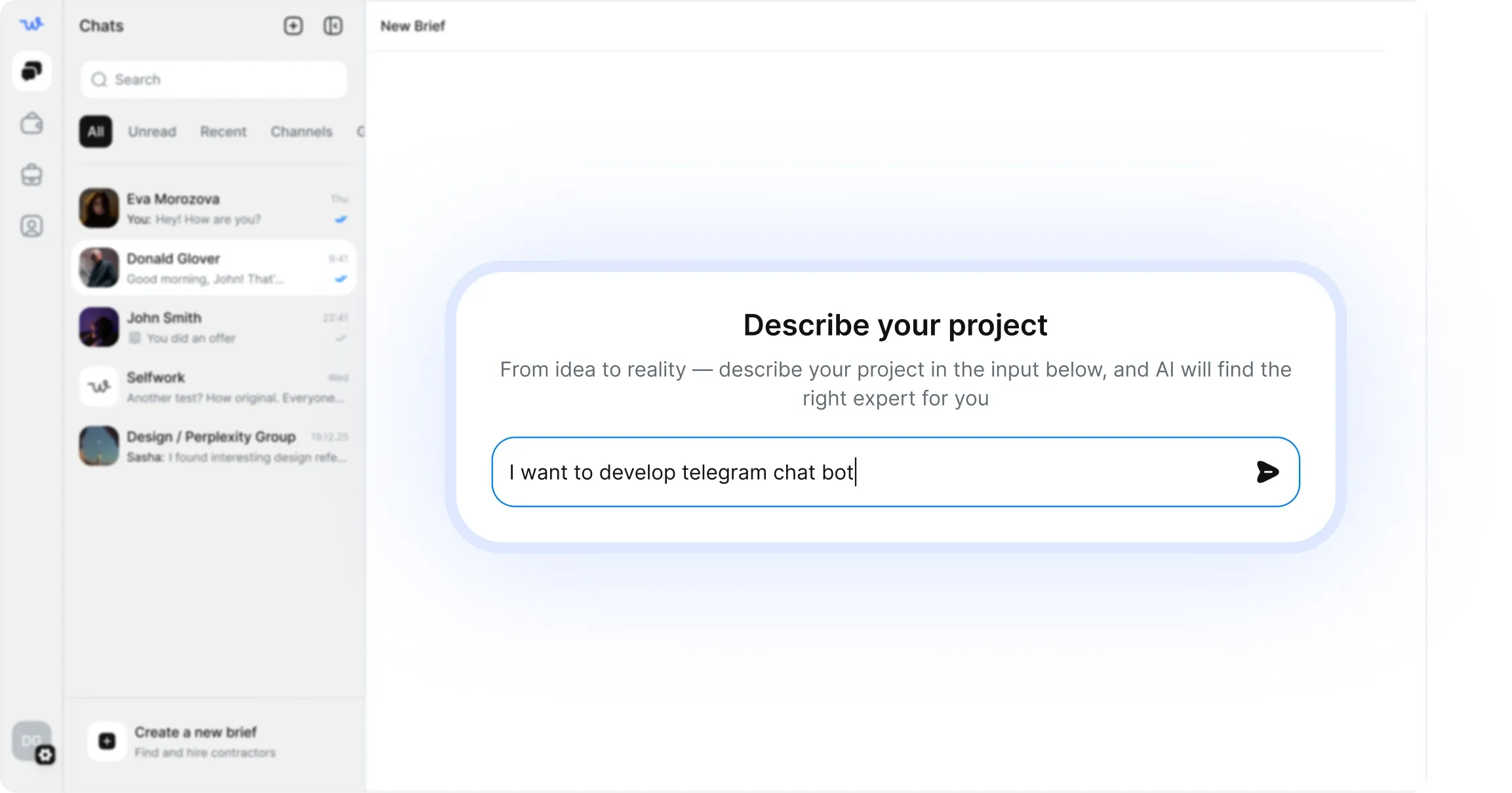
On Selfwork, the hiring process is built to reduce ambiguity and accelerate delivery. Here are the four steps:
- Define the brief: describe the job, the systems involved, the tools the agent must use, and what counts as a successful run.
- Review specialist profiles: compare freelance AI Agent Developers by experience, stack, proof of work, and relevant past builds.
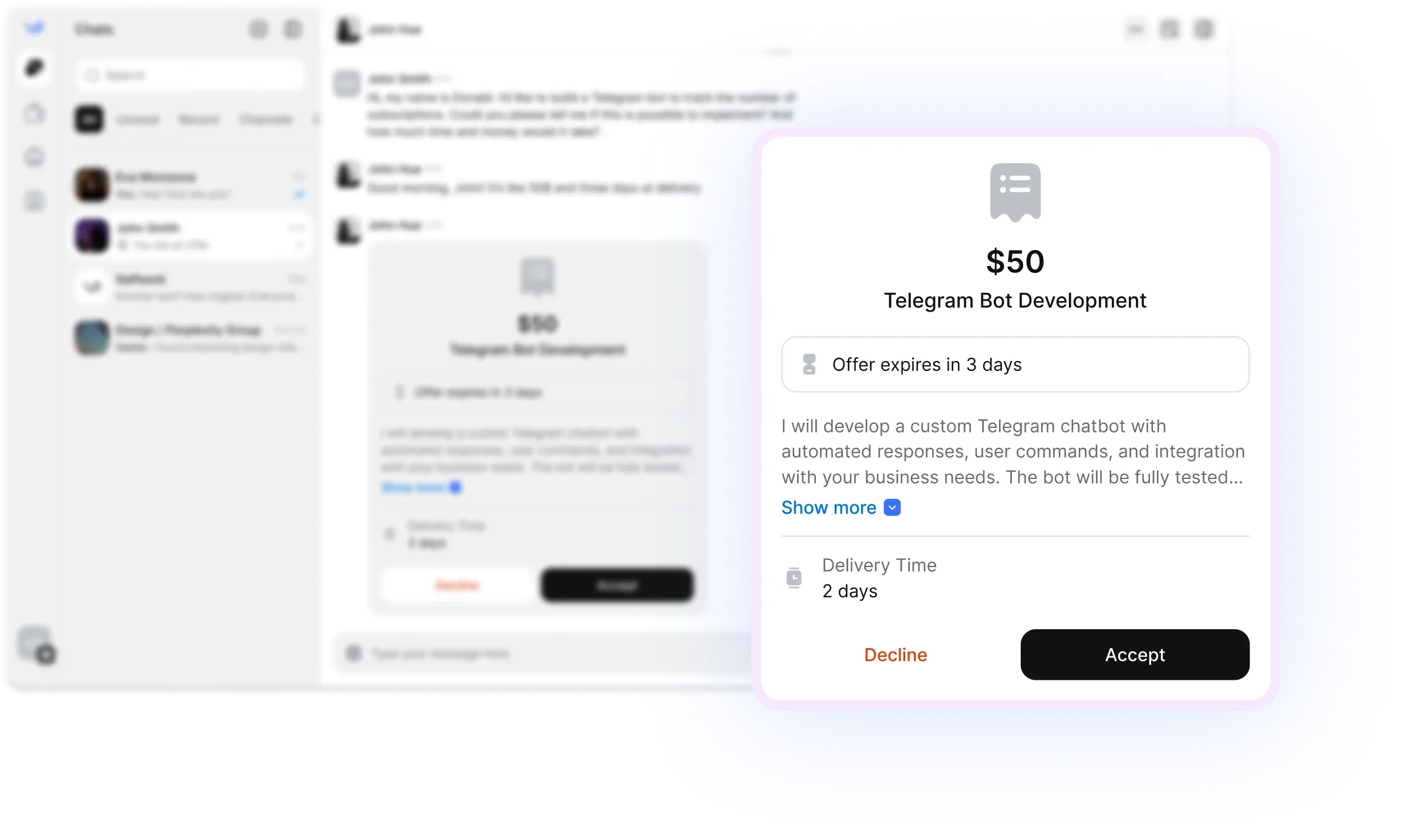
- Agree on scope and milestones: lock deliverables, timelines, checkpoints, and acceptance criteria before work begins.
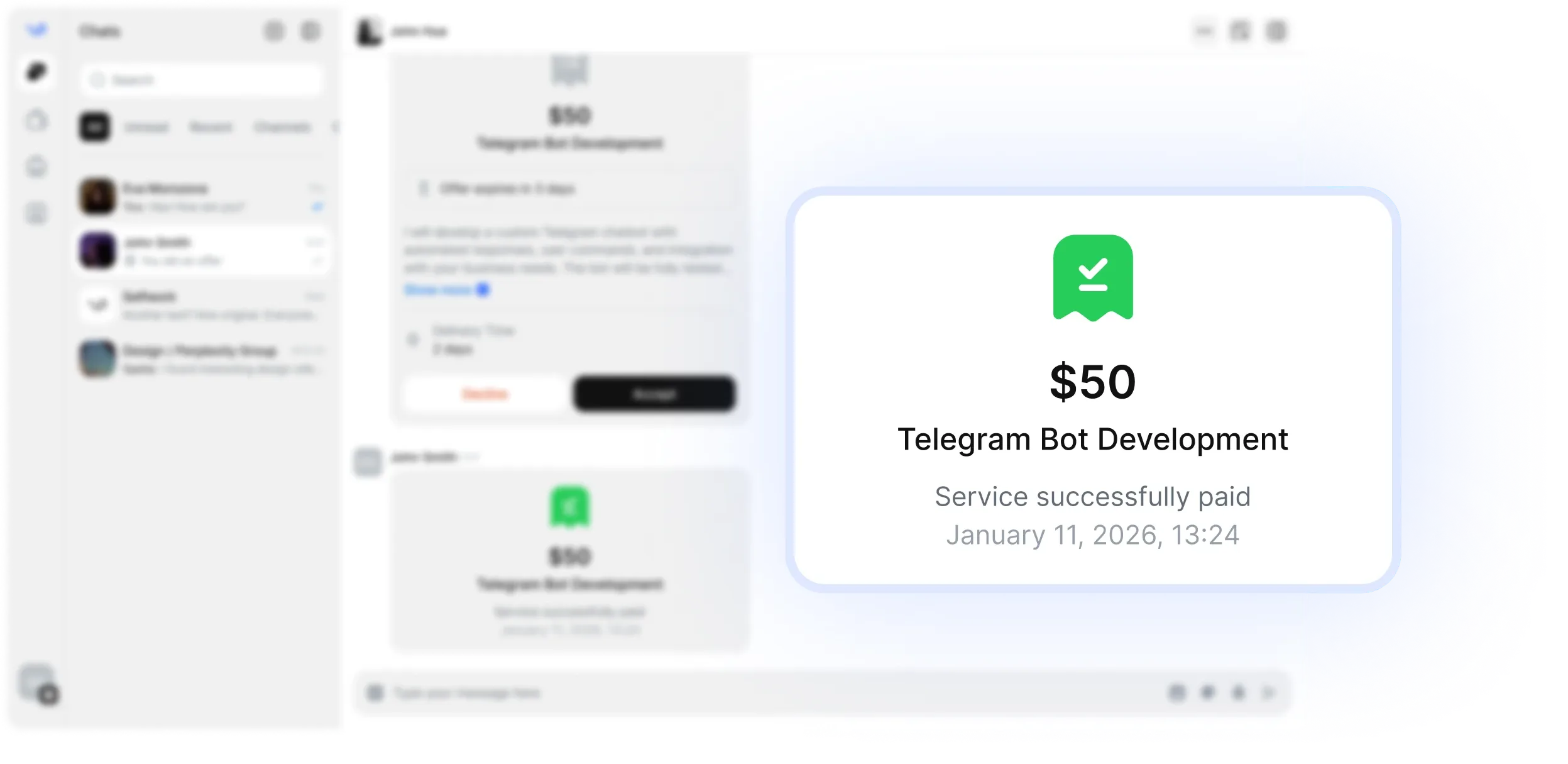
- Start with escrow protection: fund the project safely, share access only as needed, and release payment when milestones are approved.
The biggest brief mistakes are usually about expectations, not technology. Common problems include:
- Asking for an “AI agent” without defining the exact workflow
- Not listing the tools, APIs, or internal systems the agent must access
- Forgetting to specify success metrics, error handling, or fallback behavior
- Assuming the agent should be fully autonomous when human approval is required
- Choosing a model or framework before defining the actual product requirement
- Underestimating data cleanup, retrieval quality, and testing time
Verification and escrow matter especially when you hire AI Agent Developers for systems that touch live data or business operations. Selfwork helps you work with verified specialists, reduce risk before kickoff, and keep payment tied to agreed milestones. That means better accountability for remote AI Agent Developers and a cleaner path from prototype to production.
FAQ
What skills should I look for when I hire AI Agent Developers?
Look for experience with LLM APIs, tool calling, retrieval, prompt design, APIs, evaluation, and production deployment. For more complex builds, ask about LangChain, LangGraph, vector databases, logging, and observability.
Can a freelance AI Agent Developer build a production system, not just a demo?
Yes. The right freelancer can build production-ready systems with guardrails, monitoring, approvals, and failure handling. Be clear about latency, reliability, and compliance requirements in the brief.
Which stack is best for AI agents?
It depends on the use case, but common stacks include Python or TypeScript with OpenAI API, LangChain, LangGraph, vector databases like Pinecone or Weaviate, and deployment in Docker or cloud environments.
How long does it take to build an AI agent?
A simple prototype can take a few days, while a production workflow may take several weeks depending on integrations, data quality, and testing requirements.
Do I need a senior AI Agent Developer for my project?
If the project involves multiple tools, complex orchestration, or live business workflows, senior experience is usually worth it. For a narrow MVP or proof of concept, a strong mid-level specialist may be enough.